
From Sketch to Wall: How Custom Decorative Panels Bring Design Concepts to Life
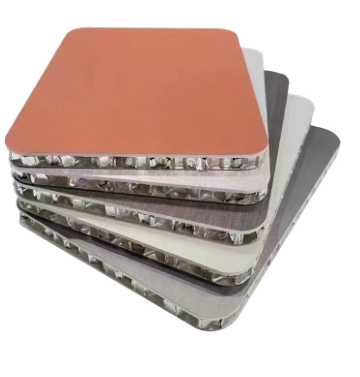
Designers rarely want to settle for off-the-shelf looks. A concept that starts as a sketch or mood board often needs specific colors, textures, dimensions, or patterns to feel complete. Custom decorative wall panels make it possible to turn those ideas into real surfaces without compromising the original vision.
Working with a factory that controls its own production gives designers more flexibility. Specifications can be discussed directly, adjustments can be made during development, and the final product can follow the drawings provided. This is particularly valuable for hospitality brands, retail chains, and developers who want a consistent look across several locations.
Chongqing Huigong Wall Panels support customized production based on customer drawings and requirements. For new custom profiles, the company notes that mold development typically takes two to three weeks, with mass production following after order confirmation. Samples are available, with express charges paid by the buyer. If you are developing a signature interior and need a manufacturing partner who can follow your design, early conversations about specifications will save time later.