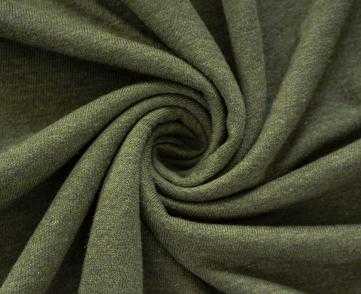


Hemp Cotton Knit Fabric: The Sustainable Textile Shaping the Future of Fashion
As the fashion and textile industries move toward more sustainable practices, hemp cotton knit fabric has emerged as a popular and eco-friendly material. Combining the durability of hemp with the softness of cotton, this fabric offers a balanced blend of comfort, breathability, and environmental responsibility. From everyday clothing to premium sustainable fashion collections, hemp cotton knit fabric is gaining attention as a smart alternative to conventional textiles.
What Is Hemp Cotton Knit Fabric?
Hemp cotton knit fabric is a blended textile made from hemp fibers and cotton fibers that are knitted together rather than woven. The knitting process creates a flexible, stretchy structure that feels soft against the skin while maintaining strength and durability.
Hemp, derived from the Cannabis sativa plant, is known for its toughness and environmental benefits, while cotton adds softness and familiarity. When combined, these two natural fibers create a fabric that is both comfortable and long-lasting.
Key Characteristics of Hemp Cotton Knit Fabric
1. Natural Breathability
Hemp cotton knit fabric allows air to circulate easily, making it an excellent choice for warm weather clothing such as T-shirts, dresses, and lightweight sweaters. The breathable structure helps regulate body temperature and keeps the wearer comfortable throughout the day.
2. Soft Yet Durable
While hemp fibers are naturally strong, they can sometimes feel coarse when used alone. Blending hemp with cotton softens the texture, resulting in a fabric that is gentle on the skin while maintaining exceptional durability.
3. Sustainable and Eco-Friendly
Hemp is widely recognized as one of the most sustainable natural fibers. It grows quickly, requires less water than many other crops, and typically needs fewer pesticides. When paired with cotton—especially organic cotton—the environmental footprint of the fabric is significantly reduced.
4. Moisture Absorption
Hemp cotton knit fabric absorbs moisture efficiently and dries relatively quickly. This makes it ideal for activewear and casual clothing where comfort and dryness are important.
5. Natural Antibacterial Properties
Hemp fibers naturally resist bacteria and odors. This quality helps garments stay fresh longer and reduces the need for frequent washing.
Common Uses of Hemp Cotton Knit Fabric
Because of its versatility and comfort, hemp cotton knit fabric is used in a wide range of products, including:
T-shirts and casual tops
Dresses and skirts
Yoga and activewear
Undergarments
Loungewear
Sustainable fashion collections
Its softness and stretch make it especially suitable for garments that require flexibility and comfort.
Advantages for Sustainable Fashion
Sustainable fashion brands increasingly choose hemp cotton knit fabric because it aligns with environmental values while maintaining high quality. Compared to purely synthetic fabrics, hemp cotton blends are biodegradable, renewable, and often produced with fewer chemicals.
Additionally, hemp cultivation improves soil health and can be part of regenerative agricultural practices, making it an appealing option for environmentally conscious designers and consumers.
Care and Maintenance
Caring for hemp cotton knit fabric is relatively simple. Most garments made from this blend can be machine washed in cold water and air-dried or tumble dried on low heat. With proper care, the fabric becomes softer over time without losing its strength.
The Future of Hemp Cotton Knit Fabric
As consumers demand more sustainable and comfortable clothing, hemp cotton knit fabric is expected to play a larger role in the textile industry. Its combination of eco-friendliness, durability, and comfort positions it as a strong contender for the future of everyday apparel.