
Button Head Self-Drilling Screws: Revolutionizing Fastening in Modern Industries
In today's fast-paced industries such as construction, automotive, HVAC systems, and furniture manufacturing, the need for efficient, reliable, and cost-effective fastening solutions is ever-growing. Button Head Self-Drilling Screws have emerged as one of the most sought-after fasteners in these sectors due to their remarkable efficiency, versatility, and ease of use. These screws are not only simplifying the installation process but also setting new standards for speed and durability.
This article explores why Button Head Self-Drilling Screws are becoming a staple in multiple industries, the unique features that make them stand out, and how they are changing the way we approach fastening tasks.
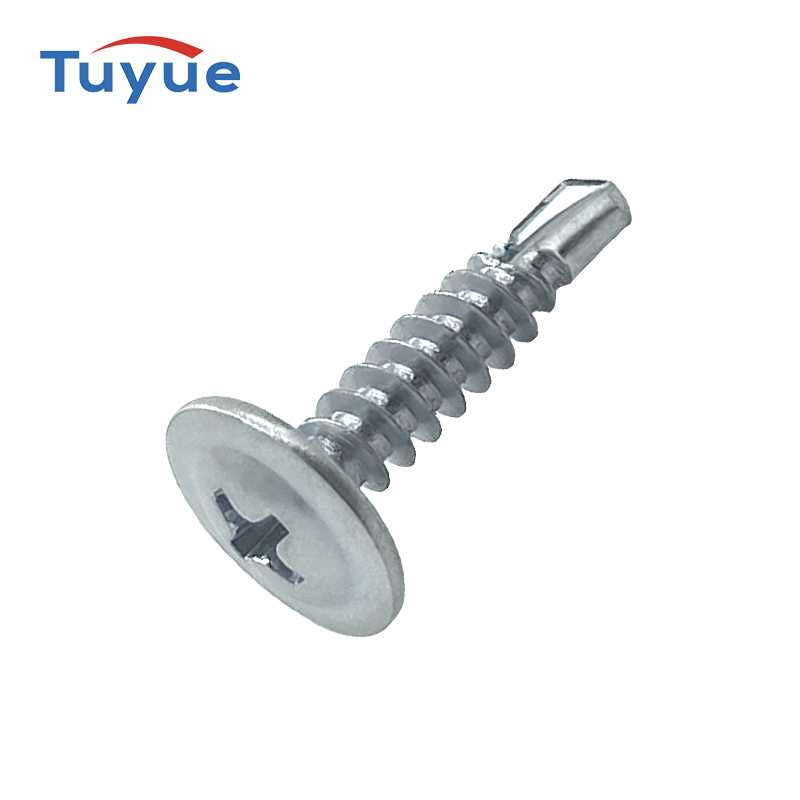
Button Head Self-Drilling Screw
What Is a Button Head Self-Drilling Screw?
A Button Head Self-Drilling Screw is a type of screw specifically designed to simplify fastening processes by combining both drilling and fastening in one tool. Unlike traditional screws that require a pilot hole to be drilled before installation, the self-drilling tip allows the screw to create its own hole as it is driven into the material. This self-contained action makes the installation process significantly faster and more efficient.
Key features of Button Head Self-Drilling Screws include:
Self-Drilling Tip: The self-drilling tip eliminates the need for pre-drilling, saving valuable time and effort, especially in large projects.
Button Head Design: The rounded, low-profile design of the button head sits flush against the material, providing a clean, aesthetically pleasing finish while distributing pressure evenly.
These two features make Button Head Self-Drilling Screws perfect for use in industries where efficiency, strength, and precision are critical.
Why Are Button Head Self-Drilling Screws Trending?
The increasing popularity of Button Head Self-Drilling Screws can be attributed to a variety of factors, each contributing to their success across multiple industries. Here are the main reasons why these fasteners are trending in Google searches and are becoming a go-to choice for professionals:
1. Speed and Efficiency
One of the standout benefits of Button Head Self-Drilling Screws is their ability to drastically reduce installation time. Traditional screws require a pre-drilled hole, which adds time and effort to the fastening process. With self-drilling screws, the tip drills the hole as the screw is driven in, effectively eliminating the need for pre-drilling.
In industries like construction and automotive manufacturing, where projects often involve fastening through tough materials such as metal and steel, this time-saving feature can make a significant impact. Whether it’s securing metal panels to steel frames in roofing or fastening body panels in automotive assembly, the self-drilling screw speeds up the process, allowing workers to complete jobs faster, with fewer tools.
2. Cost-Efficiency
Time is money, and the time saved by using Button Head Self-Drilling Screws directly translates into cost savings. The reduction in installation time reduces labor costs, while eliminating the need for separate drilling tools further cuts down on expenses. This makes self-drilling screws an affordable solution for both large-scale and small-scale projects.
For example, HVAC contractors can quickly and easily secure ductwork and other metal components, saving both time and labor costs. In construction, reducing the time spent installing roofing panels or metal cladding means faster project completions and more jobs done in less time.
3. Versatility Across Materials
One of the major advantages of Button Head Self-Drilling Screws is their ability to work with a wide variety of materials, including metal, wood, plastic, and composites. This versatility makes them a one-size-fits-all solution for a range of applications.
In construction, these screws are used to fasten metal roofing and siding to wooden or steel frames. In furniture manufacturing, they secure metal and wood components together. In automotive manufacturing, they are used to fasten body panels and trim. Whether it’s a metal building, a DIY project, or high-speed vehicle assembly, these screws have the flexibility to perform.
 Devenez cette étoile ★ (bideew), faites de nouvelles rencontres sur la plus grande communauté en Afrique et partagez vos meilleurs moments avec vos proches


