
Hearing loss often happens quietly. Unlike a broken bone or a visible injury, damage to your hearing can progress slowly, without pain, and without obvious warning signs. Many people don’t realize their hearing is deteriorating until conversations become difficult, background noise feels overwhelming, or ringing in the ears becomes constant. This is where plays a vital role. It acts as an early detection system, helping identify hearing changes before they become permanent and life-altering.
In today’s world, exposure to loud noise is more common than ever — whether from industrial workplaces, construction sites, factories, music venues, or even prolonged headphone use. Over time, this exposure can damage the sensitive structures of the inner ear, leading to noise-induced hearing loss. Audiometric testing provides a scientific and reliable way to monitor hearing health and take timely action.
What Is Audiometric Testing?
Audiometric testing is a standardized method used to measure an individual’s hearing ability across different sound frequencies and volumes. The test is typically performed using specialized equipment called an audiometer, which presents tones at varying pitches and loudness levels through headphones. The individual responds when they hear a sound, allowing a trained professional to record the softest sounds the person can detect.
The results are plotted on a chart called an audiogram, which visually represents hearing thresholds across different frequencies. This makes it easy to identify patterns of hearing loss, including early-stage changes that may not yet affect daily communication but signal developing damage.
Audiometric testing is commonly used in healthcare settings, occupational health programs, and workplace safety compliance programs, particularly in environments where noise exposure is a known risk.
Why Hearing Loss Often Goes Unnoticed
One of the biggest challenges with hearing loss is that it rarely happens suddenly. Instead, it progresses gradually. The brain adapts to changes in hearing, making it difficult for individuals to recognize that something is wrong. People may unconsciously rely more on lip reading, increase the volume on devices, or avoid noisy environments without realizing the underlying cause.
Additionally, hearing loss often affects certain frequencies first — especially high-pitched sounds — which may not immediately impact basic conversation. However, over time, this can reduce speech clarity, increase listening fatigue, and affect overall quality of life. Audiometric testing bridges this gap by detecting subtle changes long before they become noticeable.
How Audiometric Testing Works
The audiometric testing process is straightforward, non-invasive, and painless. A typical test includes the following steps:
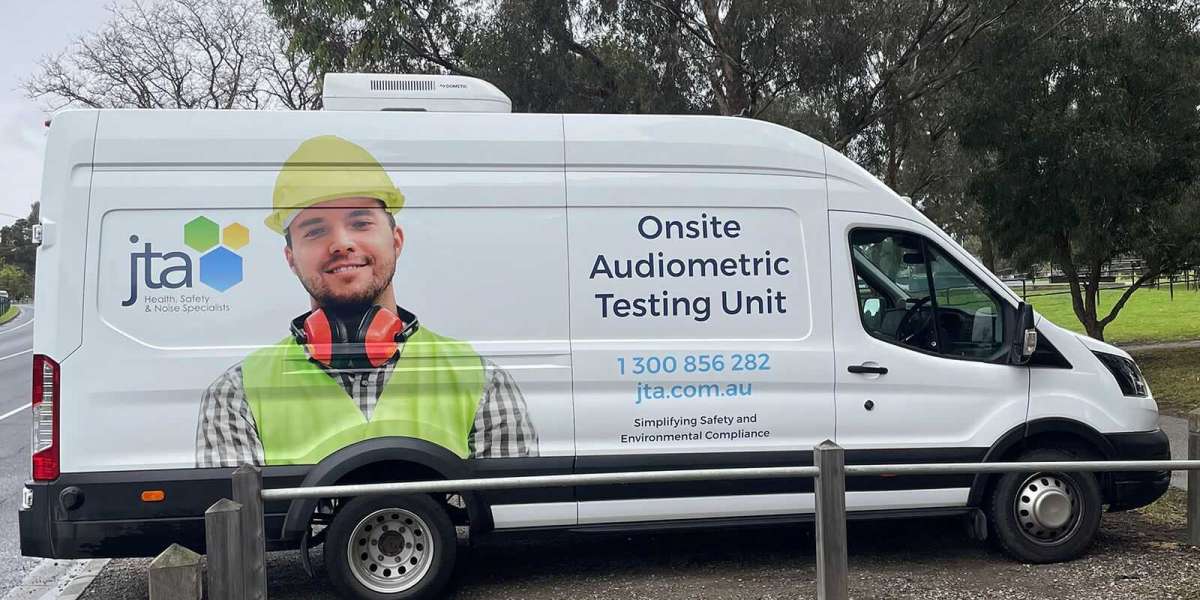
- Pre-test preparation – The individual is placed in a quiet, sound-controlled environment, often a booth or mobile testing unit.
- Pure-tone testing – The audiometer plays tones at different frequencies and volumes through headphones. The person signals when they hear a sound.
- Bone conduction testing (if required) – This helps determine whether hearing loss is related to the inner ear or middle ear structures.
- Speech testing – In some cases, speech recognition tests are conducted to assess how well a person understands spoken words.
- Results and interpretation – The audiogram is analyzed to identify any hearing loss patterns and determine whether further action is needed.
The entire process typically takes less than 15 minutes and provides valuable insight into hearing health.
The Role of Audiometric Testing in Workplace Safety
Audiometric testing is especially important in workplaces with high noise levels, such as manufacturing plants, construction sites, mining operations, aviation, and transportation industries. Long-term exposure to noise levels above safe thresholds can cause permanent hearing damage, even if protective equipment is used inconsistently.
Many occupational health and safety regulations require employers to implement hearing conservation programs, which include baseline and periodic audiometric testing. These programs aim to:
- Detect early signs of noise-induced hearing loss
- Evaluate the effectiveness of hearing protection
- Identify high-risk work areas or practices
- Ensure compliance with workplace safety standards
By regularly testing employees, organizations can intervene early, improve noise controls, and prevent long-term hearing disability.
Benefits of Audiometric Testing
Audiometric testing offers both individual and organizational benefits:
- Early detection of hearing loss
Identifying changes early allows for interventions such as improved hearing protection, job role adjustments, or medical referrals. - Prevention of permanent damage
Once hearing loss occurs, it is often irreversible. Audiometric testing helps prevent progression by highlighting risks early. - Improved quality of life
Healthy hearing supports better communication, social engagement, job performance, and mental well-being. - Workplace compliance and risk reduction
Employers reduce legal risk and improve safety culture by maintaining proper hearing monitoring programs. - Data-driven decision making
Audiometric results provide measurable evidence to support safety improvements and policy changes.
Who Should Get Audiometric Testing?
While audiometric testing is essential for workers in noisy environments, it is also valuable for the general population. You should consider audiometric testing if:
- You work in a high-noise industry
- You are exposed to loud music or machinery regularly
- You experience ringing in the ears (tinnitus)
- You have difficulty hearing conversations in noisy environments
- You need to increase the volume on devices frequently
- You have a family history of hearing loss
Even without symptoms, routine testing provides a baseline and helps monitor changes over time.
Common Myths About Hearing Testing
“I’ll know if my hearing is bad.”
Not necessarily. Hearing loss often progresses gradually and can go unnoticed for years.
“Only older people need hearing tests.”
Hearing loss can affect people of all ages, especially those exposed to loud environments.
“Hearing loss isn’t a serious problem.”
Untreated hearing loss is linked to social isolation, reduced work performance, cognitive decline, and mental health issues.
“Testing is uncomfortable or painful.”
Audiometric testing is simple, quick, and completely painless.
What Happens If Hearing Loss Is Detected?
If audiometric testing identifies hearing changes, the next steps depend on the severity and cause. These may include:
- Referral to an audiologist or ENT specialist
- Adjustments to workplace noise exposure or duties
- Improved or upgraded hearing protection
- Ongoing monitoring to track progression
- Education on hearing conservation strategies
The key is that detection enables action — and action can prevent further damage.
The Bigger Picture: Hearing Health as a Long-Term Investment
Hearing plays a crucial role in communication, safety, productivity, and emotional well-being. Yet it is often one of the most neglected aspects of health. Audiometric testing transforms hearing care from a reactive response to a proactive strategy.
Rather than waiting until hearing loss affects daily life, audiometric testing allows individuals and organizations to stay ahead of the problem. It promotes awareness, accountability, and prevention — all essential elements of a strong health and safety culture.
Conclusion
Hearing loss doesn’t happen overnight — it develops quietly, gradually, and often without warning. Audiometric testing reveals what your ears may not yet be telling you, providing a clear, scientific snapshot of your hearing health. Whether you’re an employee in a high-noise industry, an employer responsible for , or simply someone who values long-term well-being, audiometric testing is a powerful tool for protection and prevention.
By detecting hearing changes early, audiometric testing empowers you to take action, safeguard your future, and preserve one of your most vital senses. Don’t wait until the damage is done — listen to what the test reveals today.