
Fuel, steam, and water lines form the operational backbone of modern vessels. These systems operate under vastly different temperatures and pressures, yet all require reliable protection to ensure efficiency, safety, and durability. Marine pipe insulation plays a vital role in maintaining stable temperatures, preventing energy loss, and protecting pipes from corrosion and mechanical stress. Marine insulation companies develop specialized insulation solutions that address the unique demands of each line type. During the first stage of vessel construction or system upgrades, insulation planning ensures these essential pipelines perform efficiently throughout long service cycles at sea.
Importance of Insulating Shipboard Piping Systems
Shipboard piping systems are constantly exposed to vibration, temperature variation, humidity, and salt-laden air. Without insulation, pipes lose heat or absorb unwanted thermal energy, leading to inefficiency and system imbalance.
provides a protective thermal envelope around pipes, preserving fluid conditions and preventing external environmental interference. Marine insulation companies assess the function of each line to design insulation systems that support operational stability and long-term reliability.
Fuel Line Insulation Solutions
Fuel lines transport temperature-sensitive liquids that must remain within controlled thermal ranges to maintain viscosity and combustion efficiency. Excessive cooling can thicken fuel, while overheating may create safety risks.
Marine pipe insulation for fuel lines stabilizes temperatures and prevents heat loss in colder zones. Marine insulation companies select insulation materials with strong thermal resistance and chemical compatibility to ensure safe fuel transfer. Insulation also reduces condensation, which can contaminate fuel systems and compromise engine performance.
Steam Line Insulation Strategies
Steam lines operate at high temperatures and pressures, making insulation essential for safety and energy conservation. Uninsulated steam pipes radiate intense heat, increasing fuel consumption and posing burn hazards to crew members.
Marine pipe insulation for steam systems focuses on high-temperature resistance and fire safety. Marine insulation companies often use dense, heat-tolerant materials paired with protective jacketing to contain thermal energy. Effective insulation maintains steam quality, reduces heat loss, and supports efficient power generation and heating systems onboard.
Water Line Insulation Requirements
Water lines on vessels include potable water, cooling water, and process water systems. These lines are vulnerable to temperature fluctuations that can cause freezing, overheating, or condensation.
Marine pipe insulation helps water lines maintain stable temperatures, preventing freezing in cold climates and reducing condensation in humid conditions. design insulation systems that balance thermal protection with moisture resistance, ensuring water quality and system integrity are preserved.
Material Selection for Different Line Types
Each piping system demands materials suited to its operating conditions. Marine insulation companies evaluate temperature range, moisture exposure, and mechanical stress when selecting insulation.
Mineral wool is commonly used for steam lines due to its fire resistance. Elastomeric foam is often chosen for fuel and water lines because of its flexibility and low water absorption. Advanced composites may be applied where space is limited. Marine pipe insulation materials are selected to match system performance requirements and environmental exposure.
Condensation and Corrosion Control
Condensation is a major threat across fuel, steam, and water lines. Moisture accumulation accelerates corrosion and increases maintenance demands.
Marine pipe insulation prevents condensation by maintaining surface temperatures above dew point. Marine insulation companies integrate vapor barriers and sealed joints to block moisture infiltration. These measures protect pipes from corrosion and extend system lifespan, particularly in humid marine environments.
Installation Techniques and Quality Control
Proper installation is critical for insulation effectiveness. Gaps, loose fittings, or damaged vapor barriers reduce performance and increase risk.
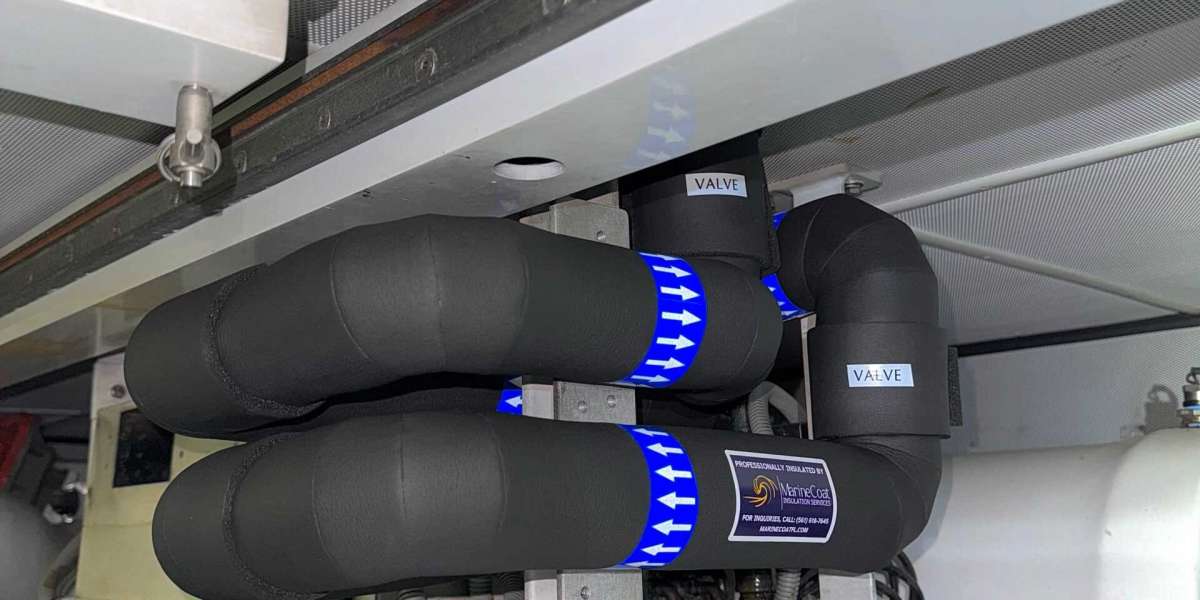
apply precision cutting, tight fastening, and continuous sealing during installation. Marine pipe insulation is installed to accommodate vibration and thermal expansion, ensuring consistent protection across bends, valves, and connections.
Energy Efficiency and Operational Savings
Insulated fuel, steam, and water lines contribute directly to vessel energy efficiency. Reduced heat loss lowers fuel consumption and improves system responsiveness.
Marine pipe insulation supports stable operating conditions, reducing strain on engines, boilers, and pumps. Marine insulation companies highlight energy savings as a key benefit, helping ship operators reduce operating costs and environmental impact.
Safety and Crew Protection
High-temperature steam lines and hot fuel pipes present safety hazards if left exposed. Insulation lowers surface temperatures, reducing burn risks and improving working conditions.
Marine insulation companies ensure meets fire safety and surface temperature regulations. Safer piping environments enhance crew confidence and operational efficiency, especially in confined engine room spaces.
Maintenance and Accessibility Considerations
Insulation systems must allow for inspection and maintenance without excessive disruption. Poorly designed insulation can hinder access to valves and joints.
Marine insulation companies design marine pipe insulation with modular sections or removable covers. This approach maintains protection while supporting efficient maintenance routines, reducing downtime and extending system service life.
Adaptability Across Vessel Types
Different vessels, from cargo ships to offshore platforms, require customized insulation strategies. Fuel, steam, and water systems vary in scale and complexity.
Marine insulation companies adapt marine pipe insulation designs to suit vessel layout, operational profile, and environmental exposure. Tailored solutions ensure consistent performance across diverse maritime applications.
Conclusion: Integrated Insulation for Critical Ship Systems
Marine pipe insulation is essential for protecting fuel, steam, and water lines from thermal loss, condensation, corrosion, and safety hazards. Marine insulation companies apply specialized materials, installation techniques, and system-specific strategies to ensure each pipeline operates efficiently and reliably. By stabilizing temperatures, improving energy efficiency, and enhancing safety, insulation becomes a long-term asset rather than a maintenance burden. Well-designed marine pipe insulation solutions support vessel performance, crew safety, and operational resilience across all maritime conditions.