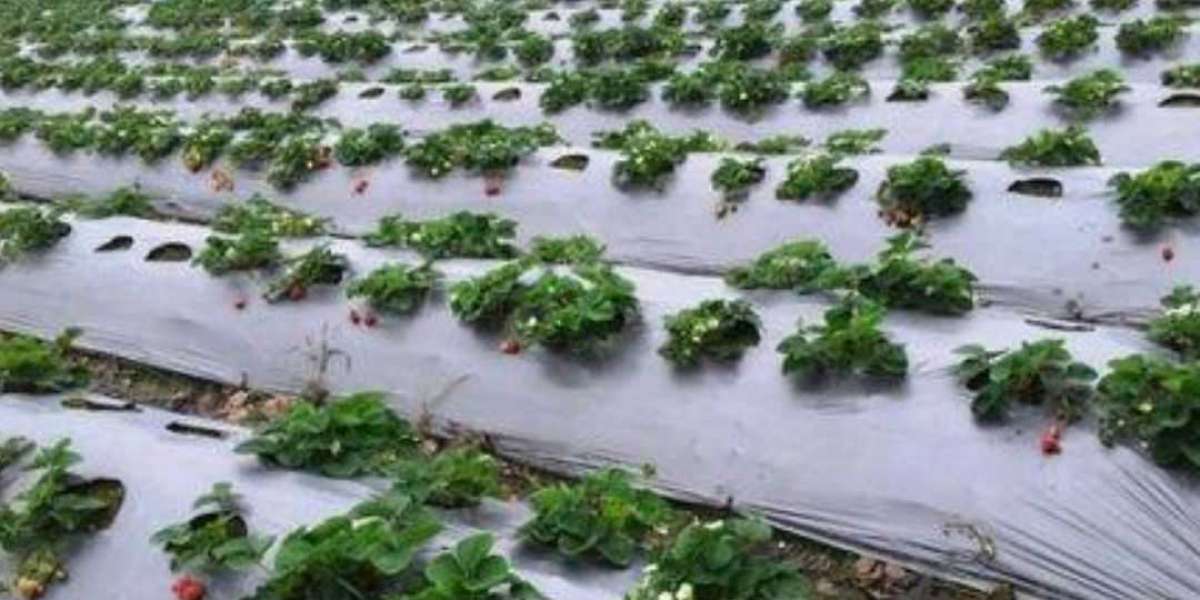

In the rapidly evolving world of agriculture, innovation plays a crucial role in ensuring sustainable and productive farming practices. Among the many technological advancements, mulch film has emerged as a game-changer for farmers worldwide. Mulch film, also known as plastic mulch film, is a thin plastic sheet laid over soil to create a controlled environment for crops. Its primary purpose is to improve crop yield, reduce weed growth, conserve soil moisture, and regulate soil temperature. With increasing demand for efficient farming solutions, mulch film has become an indispensable component of modern agriculture, especially in countries like India and the Philippines, where large-scale farming is prevalent.
The Role of Mulch Film in Sustainable Farming
Mulch film offers numerous benefits that align with sustainable farming principles. By acting as a barrier between the soil and the environment, it minimizes water evaporation, leading to better water use efficiency. This is especially important in areas facing water scarcity. Additionally, mulch film suppresses weed growth, reducing the need for chemical herbicides, which benefits both the environment and farmer health. The temperature regulation provided by mulch film creates optimal conditions for crop growth, resulting in faster maturation and higher yields. These advantages make mulch film a popular choice among farmers aiming to increase productivity while minimizing environmental impact.
Types of Plastic Mulch Film and Their Applications
There are various types of plastic mulch films, each designed to meet specific agricultural needs. The most common is polyethylene mulch film, known for its durability and cost-effectiveness. It comes in different colors, such as black, white, and silver, each serving unique purposes. Black mulch film is widely used for weed suppression and soil warming, while white or reflective films help in pest control and temperature regulation. Biodegradable mulch films are gaining popularity as eco-friendly alternatives, breaking down naturally in the soil without the need for removal. The choice of mulch film depends on crop type, climate conditions, and environmental considerations, making it crucial for farmers to select the right product for their specific needs.
The Growing Market for Mulch Film: Focus on India and the Philippines
India is one of the largest producers and consumers of mulch film, with numerous mulch film manufacturers in India catering to the domestic and export markets. The country’s diverse climate and vast agricultural landscape create a significant demand for effective mulching solutions. Similarly, in the Philippines, the increasing adoption of plastic mulch film is driven by the need to improve crop yields in a challenging climate. The price of mulching film in the Philippines varies depending on quality, thickness, and material, but it remains an affordable option for many small and large-scale farmers. The growth of local manufacturing facilities has contributed to reducing costs and increasing availability, making mulch film a vital part of modern farming practices in these regions.
Factors Influencing Mulching Film Price in the Philippines
The price of mulch film in the Philippines is influenced by several factors, including raw material costs, manufacturing processes, and transportation expenses. High-quality plastic mulch films with UV stabilizers and enhanced durability tend to cost more but offer longer lifespan and better performance. The thickness of the film also impacts its price; thicker films provide better weed control and soil protection. Additionally, eco-friendly biodegradable options are generally priced higher due to their specialized composition. Farmers and distributors often compare prices from different suppliers to strike a balance between affordability and quality, ensuring that they get the best value for their investment.
The Future of Plastic Mulch Film: Innovation and Sustainability
As the demand for sustainable farming solutions grows, the future of plastic mulch film is poised for innovation. Researchers and manufacturers are exploring biodegradable and compostable alternatives that can perform all the benefits of traditional mulch films without contributing to plastic pollution. Advances in material science are leading to the development of films with enhanced strength, UV stability, and environmental friendliness. Moreover, the integration of smart technologies, such as biodegradable films embedded with sensors, could revolutionize how farmers monitor soil conditions. These innovations aim to combine efficiency with environmental responsibility, ensuring that mulch film remains a sustainable tool for future generations.
Conclusion: Embracing Mulch Film for a Better Agricultural Future
In conclusion, mulch film has proven to be a vital component of modern agriculture, offering numerous benefits that improve crop yield, reduce environmental impact, and promote sustainable practices. With a wide range of options available, farmers can choose the most suitable mulch film based on their specific needs and budget. The presence of mulch film manufacturers in India and the increasing accessibility of mulching film in the Philippines demonstrate the global significance of this agricultural innovation. As technology advances, the development of eco-friendly, biodegradable mulch films promises a greener and more sustainable future for farming communities worldwide.
Frequently Asked Questions about Mulch Film
What is mulch film used for in agriculture?
Mulch film is used to suppress weeds, conserve soil moisture, regulate soil temperature, and improve crop yields.Are biodegradable mulch films better than traditional plastic?
Biodegradable mulch films are eco-friendly and break down naturally, reducing plastic waste, but they may be more expensive.How long does plastic mulch film last?
The lifespan of plastic mulch film depends on quality and environmental conditions but typically ranges from one to three growing seasons.Can mulch film be reused?
Reusing mulch film is possible if it remains intact and free of damage, but many farmers prefer replacing it for optimal effectiveness.What factors should I consider when choosing mulch film?
Consider factors like crop type, climate, soil conditions, durability, cost, and environmental impact.Where can I buy affordable mulch film in the Philippines?
Local agricultural suppliers and online distributors offer various options; compare prices and quality before purchasing.Are there eco-friendly alternatives to plastic mulch film?
Yes, biodegradable and organic mulching materials like paper or straw are eco-friendly options.How do mulch film prices vary across regions?
Prices depend on raw material costs, film thickness, quality, and regional transportation expenses.Is mulch film suitable for all crops?
Most crops benefit from mulch film, but suitability depends on crop requirements and local climate conditions.What are the environmental concerns associated with plastic mulch film?
Plastic mulch can contribute to plastic pollution if not disposed of properly, which is why biodegradable options are encouraged.