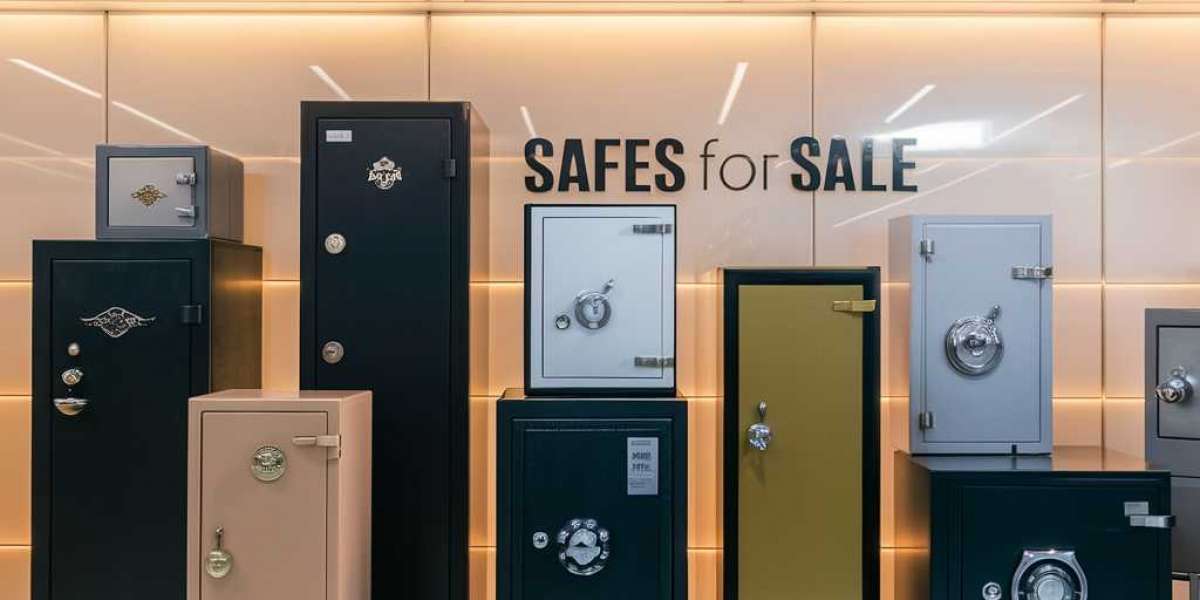

In an era where security threats evolve daily, protecting your valuables, important documents, and irreplaceable items requires more than just a basic lockbox. equipped with advanced locking technology offer unprecedented protection, combining cutting-edge innovation with robust construction to safeguard what matters most.
Whether you're securing family heirlooms, firearms, business documents, or digital assets, understanding the latest advancements in safe technology helps you make an informed investment in security.
Why Advanced Locking Technology Matters
Traditional key locks and basic combination dials, while functional, have significant vulnerabilities. They can be picked, manipulated, or compromised through lost keys. Premium safes with advanced locking mechanisms address these weaknesses through multiple layers of security technology.
Modern locking systems offer features like tamper alerts, time delays, multiple user codes, audit trails, and remote monitoring capabilities. These innovations transform safes from simple storage containers into sophisticated security systems that actively protect your assets.
Types of Advanced Locking Technologies
Biometric Fingerprint Scanners
Biometric technology represents the pinnacle of personalized security. High-end fingerprint scanners can store dozens or even hundreds of unique fingerprints, allowing you to grant access to family members or trusted employees while maintaining detailed access logs.
Premium biometric systems feature advanced algorithms that recognize fingerprints even when they're slightly dirty or at unusual angles. Some models include backup fingerprint sensors to prevent lockouts if the primary sensor fails. The convenience of instant access without remembering combinations makes particularly attractive for safes you access frequently.
Smart Electronic Keypads
Today's electronic keypads have evolved far beyond simple number entry. Premium models offer customizable user codes, temporary access codes for guests or service personnel, and dual-custody requirements that mandate two separate codes for opening.
Advanced keypads include anti-tampering features like lockout modes after multiple incorrect attempts, scrambled keypad displays that prevent wear patterns from revealing frequently used numbers, and silent alarm capabilities that alert you to unauthorized access attempts without alerting the intruder.
Redundant Locking Systems
The most secure premium safes employ redundant locking mechanisms that combine multiple technologies. A common configuration pairs biometric or electronic access with a traditional mechanical dial or key override. This redundancy ensures you're never locked out due to electronic failure while maintaining maximum security under normal conditions.
Some ultra-premium models feature three-way redundancy with biometric, electronic, and mechanical options, giving you flexibility while ensuring your valuables remain accessible to authorized users only.
Time-Lock Technology
Originally developed for bank vaults, time-lock mechanisms prevent safe opening during predetermined periods. This feature is invaluable for businesses managing cash deposits or individuals wanting to restrict access to firearms during specific hours.
Modern time-lock systems can be programmed with complex schedules, emergency override protocols, and holiday exceptions. When paired with other security features, time locks provide an additional barrier against both external threats and internal temptation.
Construction Features That Complement Advanced Locks
Even the most sophisticated locking system is only as strong as the safe surrounding it. Premium safes combine advanced locks with superior construction elements.
Look for safes with thick steel bodies (10-gauge or better), reinforced door frames, anti-drill plates protecting the locking mechanism, and relocker systems that engage additional bolts if someone attempts to punch or drill through the lock. Fire-resistant models should carry independent certifications specifying both temperature resistance and duration.
Many premium safes also include features like internal hinges that prevent door removal, pry-resistant designs, and anchor points for bolting the safe to floors or walls.
Smart Connectivity and Monitoring
The latest generation of premium safes integrates with your home or business security ecosystem through WiFi or Bluetooth connectivity. These smart safes send real-time alerts to your smartphone when accessed, maintain detailed access logs viewable from anywhere, and can integrate with broader security systems.
Some models allow remote access code management, enabling you to grant temporary access to service personnel or family members even when you're traveling. Advanced systems can trigger cameras or alarms when accessed during unusual hours or by unauthorized individuals.
Choosing the Right Premium Safe
Consider your specific security needs when evaluating premium safes. A requires different features than a jewelry safe or document vault. Assess the value and irreplaceability of what you're protecting, the level of access you need, the number of authorized users, and potential threats specific to your situation.
Don't overlook practical considerations like size and placement. Premium safes can be extremely heavy—some models exceed 1,000 pounds—requiring professional installation and potentially floor reinforcement. Measure doorways and hallways to ensure delivery is feasible.
Investment Considerations
Premium safes with advanced locking technology represent a significant investment, with prices ranging from several hundred to tens of thousands of dollars. However, this cost should be weighed against the value of what you're protecting and the potential losses from theft or disaster.
Many insurance companies offer premium discounts for certified safe storage of valuables, potentially offsetting some of the initial cost. Additionally, quality safes hold their value well and can last generations with proper maintenance.
Frequently Asked Questions
What's the most secure type of safe lock?
No single lock type is universally "most secure." The highest security comes from redundant systems combining biometric, electronic, and mechanical locks. This multi-layered approach ensures that compromising one security feature doesn't grant access to your safe.
How reliable are biometric locks on safes?
Modern biometric locks from reputable manufacturers are highly reliable, with false rejection rates below 1% and false acceptance rates near zero. Premium models include backup power options and alternative access methods to prevent lockouts. Regular cleaning of the sensor and occasional recalibration maintain optimal performance.
Can electronic locks fail and lock me out permanently?
Quality electronic locks include multiple safeguards against permanent lockouts. Most feature battery backup systems, low-battery warnings, external emergency power ports, and mechanical override options. Following manufacturer maintenance recommendations virtually eliminates lockout risk.
Do smart safes require WiFi to function?
Smart safes operate normally without WiFi connectivity. The network connection enables remote monitoring, alerts, and access management but isn't required for basic opening and closing. If your WiFi goes down, you can still access your safe using the standard authentication methods.
How often should I change my safe's access codes?
Change electronic access codes whenever someone who knows the code no longer requires access, after any security concern, and as a general practice every 6-12 months. Biometric systems don't require this maintenance, but you should remove fingerprints of individuals who should no longer have access.
Are premium safes worth the extra cost?
For protecting high-value items, irreplaceable documents, or dangerous items like firearms, premium safes justify their cost through superior security, reliability, and longevity. The advanced features prevent the losses, liability, and stress associated with inadequate security. Consider the safe an insurance policy with tangible value.
What certifications should I look for?
Look for UL (Underwriters Laboratories) ratings for burglary resistance (TL-15, TL-30, etc.) and fire protection (Class 350, Class 125). Independent testing from organizations like Intertek or ETL provides additional assurance. Avoid safes making security claims without third-party certification.
Can I install a premium safe myself?
Small to medium safes can be installed by capable individuals, but large premium safes often require professional installation due to weight, specialized tools needed, and optimal placement considerations. Professional installers ensure proper anchoring and can advise on placement that maximizes security while maintaining accessibility.
Protecting What Matters Most
Investing in a premium safe with advanced locking technology provides peace of mind that extends far beyond simple theft prevention. These sophisticated security systems protect irreplaceable memories, critical documents, and valuable assets while offering convenient access to authorized users.
As technology continues advancing, the gap between basic and premium safes widens. The question isn't whether you can afford a premium safe, but whether you can afford to trust your most valuable possessions to anything less. Choose wisely, invest in quality, and enjoy the confidence that comes with truly advanced security.