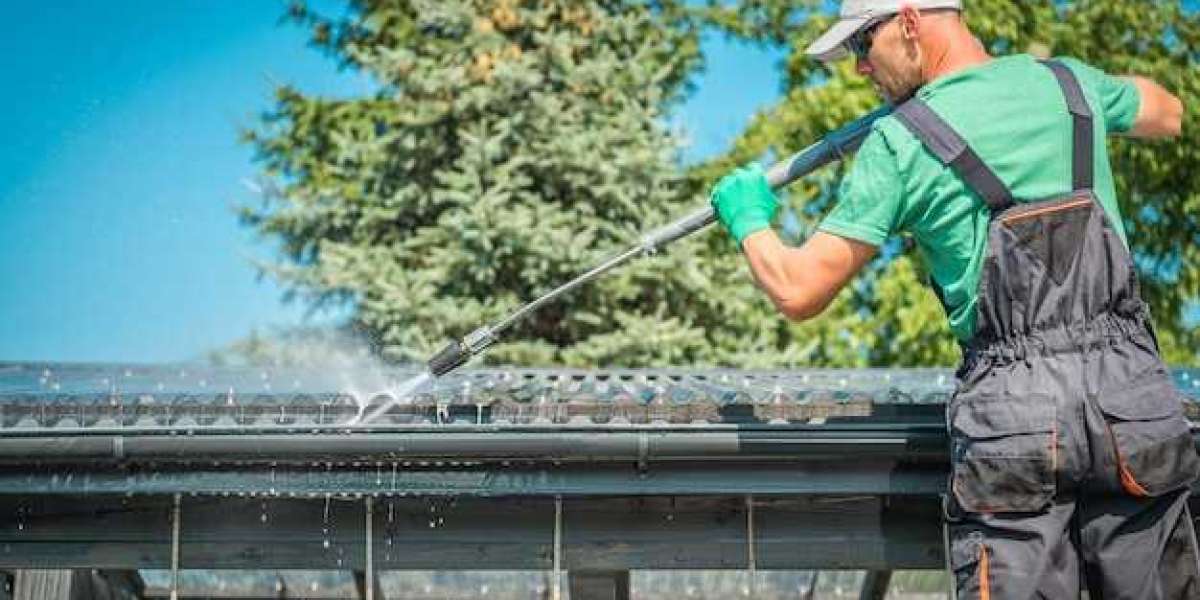

If you’re a homeowner looking to improve the look of your roof, roof pressure washing might be something you’ve considered. Searching for "" can lead you to professional services, but it's important to understand the best methods for roof cleaning before diving into this project. Roof pressure washing can be effective, but it’s not always as simple as grabbing a pressure washer and starting the job.
In this article, we’ll explore the most effective roof pressure washing techniques, discuss what works, and what doesn’t, so you can make an informed decision when it comes to keeping your roof in top shape. We’ll also touch on related services like and concrete cleaning, which are all part of maintaining your home’s exterior.
Why Roof Pressure Washing is Necessary
Over time, your roof can accumulate dirt, algae, moss, and other debris. This buildup not only makes your roof look unsightly but can also shorten its lifespan if not cleaned properly. Roof pressure washing can help restore the appearance of your roof, eliminate harmful growths, and prevent water damage.
However, it’s essential to know that not all roof cleaning methods are created equal. While roof pressure washing is a popular option, it’s not always the best solution for every roof. Understanding the most effective methods can ensure you get the best results without causing damage.
The Best Methods for Roof Pressure Washing
Roof pressure washing is not as straightforward as cleaning other surfaces around your home. The pressure of the water needs to be controlled carefully to avoid damaging shingles or other roofing materials. Here are some of the best methods used for roof pressure washing:
1. Low-Pressure Roof Cleaning
One of the most recommended methods for is using low-pressure water. This method is gentle yet effective, making it ideal for cleaning roofs without causing damage. Low-pressure washing works well for removing debris, dirt, and algae, without harming shingles or other roof materials.
In some cases, a cleaning solution is applied to break down moss, algae, or mold before low-pressure washing. This method ensures that your roof is cleaned effectively without the risk of damage that high-pressure washing can cause.
2. Soft Washing
Another effective method for roof cleaning is soft washing. Soft washing is similar to low-pressure washing but uses a specialized cleaning solution that targets algae, moss, and other debris. The solution is applied to the roof and left to sit for a short period to break down the buildup.
Once the solution has had time to work, the roof is rinsed with a low-pressure wash to remove the debris. Soft washing is a great option if you're dealing with stubborn growths like algae or moss that require more than just water pressure to remove.
3. Roof Cleaning Solutions
Many professional roof pressure washing services will use a mix of bleach or other chemicals to clean your roof. These solutions are designed to remove algae, moss, and other unwanted growths effectively. If you’re dealing with stubborn stains or growths, using a roof cleaning solution can give you the results you’re looking for.
However, it's important to be cautious when using cleaning solutions, as harsh chemicals can damage your roof if not used correctly. It’s always best to hire a professional if you’re unsure about the right cleaning solution for your roof.
What Doesn’t Work for Roof Pressure Washing?
While roof pressure washing can be highly effective, there are methods that should be avoided, especially if you’re not a professional. Here are a few things that don’t work well for roof cleaning:
1. High-Pressure Washing
Using high-pressure water to clean your roof can cause serious damage to shingles, tiles, and other roofing materials. High-pressure washing can dislodge shingles, crack tiles, and create gaps that lead to leaks. While it may seem like an efficient way to clean your roof, high pressure can cause more harm than good.
2. Improper Chemicals
While some chemicals are great for cleaning roofs, using the wrong ones can cause damage. Harsh bleach or acidic solutions can corrode roofing materials and strip away protective coatings. Always choose roof cleaning solutions that are specifically designed for your type of roof, or leave it to a professional.
The Importance of Gutter Cleaning in Roof Maintenance
In addition to roof pressure washing, don’t forget about gutter cleaning. Clogged gutters can lead to water damage on your roof, which can undo all the hard work you've done to clean it. Professional gutter cleaning services ensure that your gutters are clear of debris and working properly to channel water away from your roof.
If you’ve been searching for "," consider hiring a professional to keep your gutters clean, especially after you’ve had your roof cleaned. Clogged gutters can lead to overflowing water that could harm your roof and foundation.
Concrete Cleaning: A Complement to Roof and Gutter Care
Along with roof and gutter cleaning, concrete cleaning is also a vital part of home maintenance. Concrete surfaces like driveways, sidewalks, and patios can become stained over time, and pressure washing is an effective way to restore them. helps to maintain your home’s curb appeal and ensures that your outdoor spaces are safe and inviting.
Conclusion
Roof pressure washing can be an effective way to clean your roof and improve its appearance, but it’s essential to know what methods work and what doesn’t. Low-pressure washing and soft washing with specialized cleaning solutions are the most effective methods for maintaining the integrity of your roof while ensuring it looks its best.
In addition to roof cleaning, remember to schedule regular gutter cleaning and concrete cleaning to keep your home in excellent condition. Whether you're dealing with algae on your roof or debris in your gutters, hiring a professional service ensures the job is done right and your home remains protected from water damage.