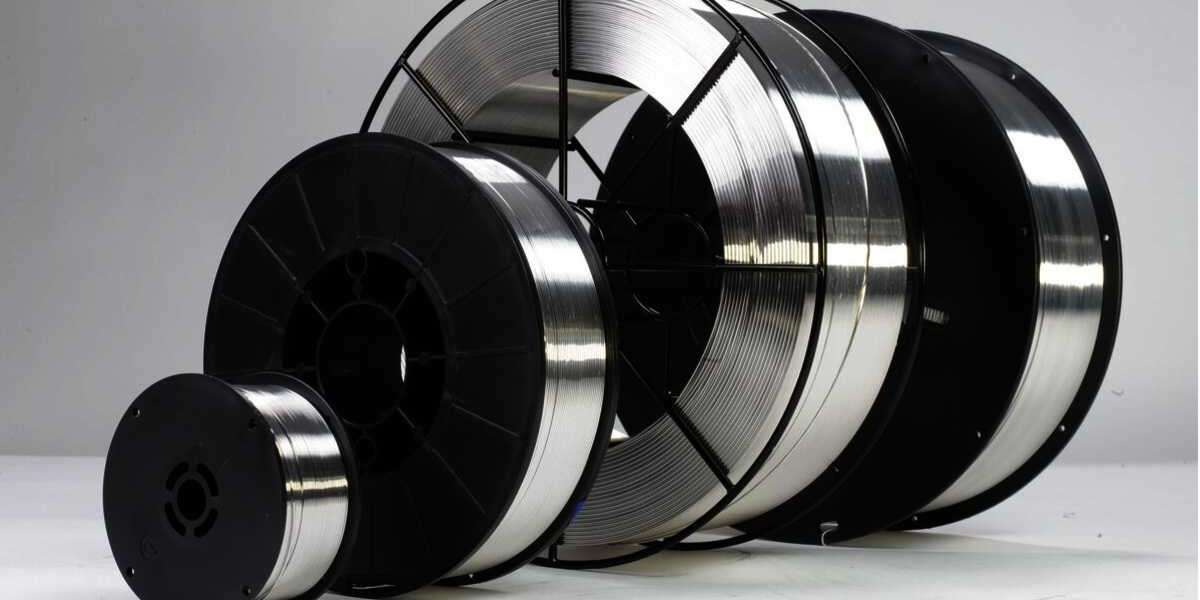

serves as a versatile filler metal option in many aluminum fabrication projects. This article explores the aluminum alloys that pair well with it and explains the reasons for its suitability across different applications.
ER4943 contains a balanced silicon addition along with controlled amounts of other elements that influence weld behavior. The composition supports good fluidity in the weld pool while limiting cracking tendencies during solidification. Fabricators often select it for joints that require moderate strength and improved cosmetic appearance after welding.
The wire works effectively with 6xxx series aluminum alloys, which include materials such as 6061, 6063, and 6005. These alloys appear frequently in structural frames, architectural extrusions, and transportation components. When joining sections of similar or slightly different 6xxx grades, ER4943 provides a weld metal that matches the base material in color and offers acceptable ductility for many service conditions. The silicon content helps reduce the formation of hot cracks that sometimes occur in these heat-treatable alloys.
It also finds use with certain 5xxx series alloys, particularly those with lower magnesium content like 5052 or 5086 in thinner gauges. Although 5xxx alloys generally respond better to magnesium-bearing fillers, ER4943 delivers stable arc performance and smooth bead profiles in applications where corrosion resistance needs remain moderate. Mixed joints between 5xxx and 6xxx materials represent another common scenario where this wire maintains compatibility without introducing excessive brittleness.
In the 3xxx series, Aluminum Welding Wire ER4943 handles manganese-bearing alloys used in heat exchangers, tubing, and general sheet metal work. The filler metal accommodates the thermal expansion differences and produces welds with reduced porosity when proper cleaning and shielding gas practices are followed. Fabricators in HVAC and refrigeration sectors value the wire for its feeding consistency on automated systems.
For 1xxx series pure aluminum grades, the wire offers a practical choice when higher purity fillers are not required. Applications include chemical tanks or electrical bus bars where the joint does not face severe mechanical loads. The added silicon improves wetting action on the base metal surface and creates a more uniform fusion zone.
Fabricators should note compatibility limits with 2xxx and 7xxx series alloys. These copper- or zinc-rich materials often demand fillers with matching chemistry to avoid reduced corrosion resistance or cracking. In such cases, engineers typically consult material data sheets or perform procedure qualification tests before production welding.
Surface preparation plays an important role when using the wire. Removal of oxide layers through mechanical brushing or chemical cleaning helps achieve sound welds across all compatible alloys. Shielding gas selection, usually pure argon or argon-helium mixtures, affects penetration and bead shape on different thicknesses. Preheat requirements remain minimal for most thin to medium sections but may increase with thicker castings or highly restrained joints.
Welders appreciate the wire diameter options, commonly available from 0.8 mm to 1.6 mm, which suit both manual and mechanized processes. Consistent diameter control and clean surface finish reduce feeding problems in push-pull systems or spool guns. Proper storage in dry conditions prevents moisture absorption that could introduce hydrogen-related porosity during welding.
Many production environments integrate the wire into routine maintenance and repair tasks on aluminum equipment. Boat builders, trailer manufacturers, and machinery repair shops encounter situations where quick selection of a compatible filler saves time. The ability to handle a range of common alloys with one wire type simplifies inventory management for smaller workshops.
Engineers evaluate joint design and service environment when specifying Aluminum Welding Wire ER4943. Post-weld heat treatment can restore some strength in heat-treatable base alloys, while as-welded conditions suffice for many non-critical structures. Fatigue performance and corrosion behavior receive attention in marine or outdoor exposures, where proper alloy matching contributes to longer service intervals.
Training programs often cover filler selection alongside technique to help operators achieve consistent results. Documentation of welding procedures includes base alloy identification, filler type, and parameter ranges to support quality assurance across shifts.
Awareness of these application details allows procurement teams and fabricators to choose the wire with confidence for suitable projects. Attention to material compatibility during the planning stage contributes to steady production flow and reduced rework.For more information on Aluminum Welding Wire ER4943 and other welding consumables, consider