
Heolstor, the Nightlord-often referred to as the Night Aspect-stands as one of the most enigmatic and thematically rich figures in Elden Ring's expanding mythos. As a member of the mysterious class of beings known as Night Lords, Heolstor represents a darker philosophical counterpoint to the already complex cosmology of the Lands Between. While many bosses and demigods in Elden Ring derive their power from the Erdtree, the Greater Will, or other outer gods, Heolstor exists in opposition to illumination itself, embodying a primordial force tied to shadow, obscurity, and the suppression of divine radiance.
At first glance, Heolstor's title-Night Aspect-suggests a being that is not merely associated with darkness, but one that defines it. Unlike conventional interpretations of darkness as evil or corruption, Heolstor's identity is more nuanced. He represents absence rather than malice, stillness rather than chaos. In a world where light often signifies control, order, and divine intervention, Heolstor introduces the idea that darkness may instead offer freedom, anonymity, and escape from cosmic manipulation. This philosophical framing makes him a compelling figure not just as a boss encounter, but as a narrative symbol.
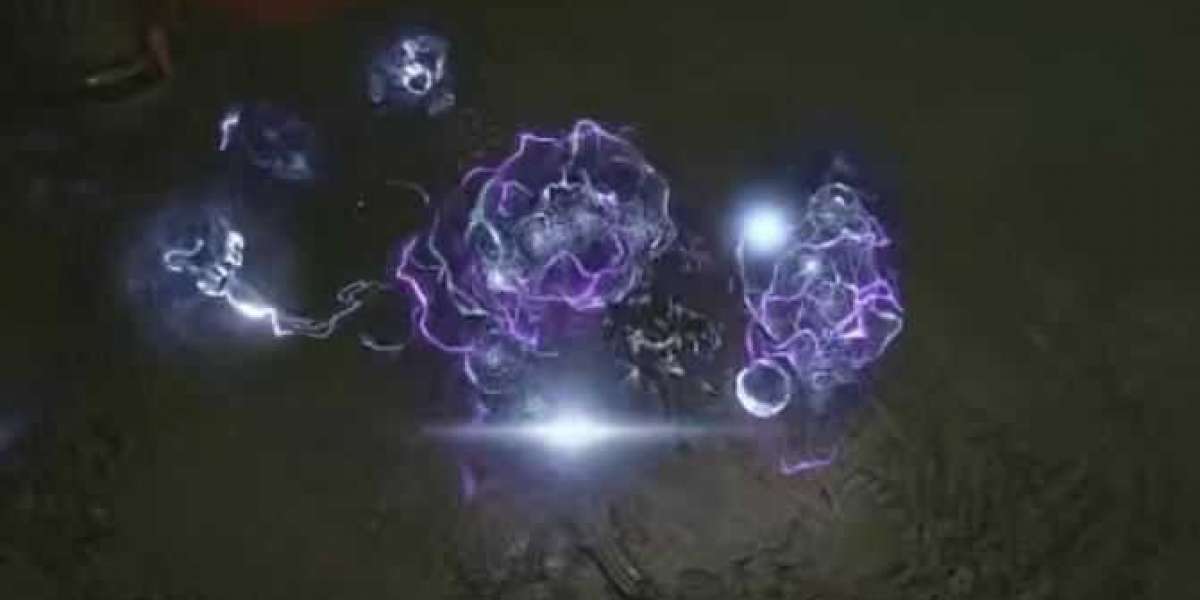
Visually, Heolstor is designed to evoke both awe and unease. His form appears partially incomplete, as if constantly dissolving into shadow. Armor, if it can be called that, seems fused with darkness itself, lacking clear edges or definition. His silhouette shifts depending on lighting, reinforcing his identity as something that cannot be fully perceived. This design philosophy aligns closely with Elden Ring's broader approach to environmental storytelling, where visual ambiguity invites interpretation. Heolstor is not meant to be fully understood-only experienced.
Combat against Heolstor reflects his thematic identity. Unlike traditional bosses that rely on brute strength or elemental power, Heolstor's moveset revolves around disorientation, misdirection, and control of space. He manipulates darkness to obscure player vision, creating zones where attacks are difficult to track. Shadows may detach from his body, forming independent threats that strike from unexpected angles. These mechanics force players to rely less on reaction time and more on anticipation and spatial awareness.
One of Heolstor's defining combat features is his ability to “phase” between states of existence. During certain moments in the fight, he becomes partially intangible, reducing incoming damage and forcing players to adjust their strategy. This mechanic reinforces the idea that Heolstor is not fully bound by the physical world. He exists on the threshold between presence and absence, making him a uniquely challenging opponent even for experienced players.
Lore surrounding Heolstor is intentionally fragmented, consistent with FromSoftware's storytelling style. Item descriptions, environmental clues, and cryptic dialogue suggest that the Night Lords predate many of the established powers in the Lands Between. Some interpretations propose that they are remnants of an older order, one that existed before the dominance of the Erdtree. Others believe they are manifestations of a cosmic balance, ensuring that light does not become absolute.
Heolstor's title as the Night Aspect implies a hierarchical structure among the Night Lords. If he represents an “aspect,” then there may be other entities embodying different dimensions of darkness-perhaps decay, silence, or oblivion. This opens the door for broader world-building possibilities, especially in the context of expansions or future content. Heolstor may not be the origin of darkness in Elden Ring, but he is clearly one of its most refined expressions.
From a gameplay perspective, Heolstor rewards adaptability. Players who rely on rigid builds or predictable patterns may struggle against his shifting mechanics. Instead, success often requires flexibility-switching between aggression and caution, adjusting positioning, and carefully managing resources. Builds that emphasize sustained damage over burst output tend to perform better, as Heolstor's phasing mechanics can negate high-damage attacks if poorly timed.
Magic users may find unique opportunities in the fight, particularly with spells that track targets or affect wide areas. However, Heolstor's ability to obscure vision can make spellcasting risky. Melee players, on the other hand, must contend with limited visibility and sudden counterattacks. In both cases, patience becomes a critical factor. Rushing the fight often leads to mistakes, while careful observation allows players to identify patterns within the chaos.
Beyond mechanics and lore, Heolstor's significance lies in what he represents within Elden Ring's thematic framework. The game frequently explores the tension between control and freedom, order and chaos, light and darkness. Heolstor does not simply oppose the forces of light-he questions their authority. In doing so, he challenges players to reconsider their assumptions about power and morality within the game world.
This thematic depth is part of what makes Elden Ring such a compelling experience. Characters like Heolstor are not مجرد obstacles to overcome, but ideas to engage with. They enrich the narrative by introducing perspectives that complicate the player's journey. Defeating Heolstor is not just a test of skill-it is an encounter with a philosophy that exists outside the dominant paradigm of the Lands Between.
In conclusion, Heolstor, the Nightlord, stands as one of the most intriguing additions to Elden Ring's universe. Through his design, mechanics, and lore, he embodies a vision of darkness that is both unsettling and thought-provoking. As the Night Aspect, he represents more than just shadow-he represents the unknown, the unseen, and the ungoverned. Whether interpreted as a relic of an ancient order or a manifestation of cosmic balance, Heolstor leaves a lasting impression on players who encounter him, reinforcing the depth and complexity that define Elden Ring as a modern masterpiece.