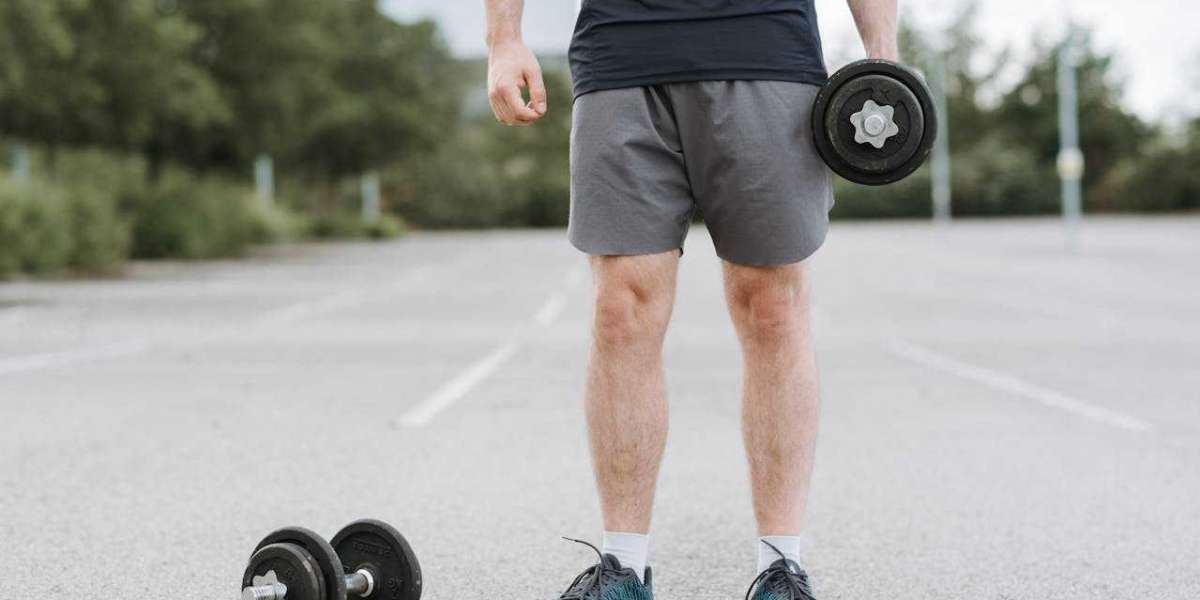

Athletic shorts affect how the body moves during sports. They support comfort, speed, and control in daily training. Good design helps athletes perform better across many activities.
Running needs light and simple gear. Runners choose athletic shorts with short inseams and soft fabric. This reduces weight and allows faster steps. Breathable fabric keeps the body cool during long runs. Many runners train four to six days each week, so comfort matters.
Gym workouts include lifting, stretching, and short bursts of cardio. Athletes need athletic shorts that support all these movements. Stretchable fabric helps during squats and lunges. Mid-length shorts give both coverage and freedom. Strong stitching handles pressure from heavy lifts.
Team sports like football and basketball demand quick movement. Players wear athletic shorts that stay in place during action. Longer styles add coverage during jumps and contact. Durable fabric handles rough play on hard surfaces. This helps players stay focused on each move.
Cycling depends on steady motion over long distances. Cyclists prefer fitted athletic shorts for better control. Tight designs reduce friction and support smooth pedaling. Padding adds comfort during rides that last more than two hours. Secure fit prevents fabric from shifting.
Tennis and badminton require fast footwork and sharp turns. Players need athletic shorts that allow easy leg movement. Light fabric helps reduce tiredness during long matches. Side slits support wide steps on the court. Many players use pockets to carry spare balls.
Outdoor training adds heat, wind, and uneven ground. Athletic shorts with quick-dry fabric help manage sweat. Wind-resistant material adds comfort during early sessions. Strong seams protect the shorts on rough trails. These features support steady performance outside.
Do really improve sports performance? Yes, they reduce discomfort and support natural movement. This helps athletes stay focused for longer sessions. Better focus leads to better results over time.
Modern fabric adds more value to athletic shorts. Many designs use quick-dry material that keeps skin dry. Some include mesh panels for better airflow. Others offer compression support for active muscles. These features improve comfort during intense training.
Fit plays a big role in daily use. Loose athletic shorts allow airflow and reduce skin irritation. Fitted styles support muscles and reduce strain. Many athletes try different fits before choosing one style. This helps match the shorts to each sport.
Waistbands affect comfort during movement. Elastic waistbands hold the shorts in place. Drawstrings add extra support during fast action. Poor fit leads to constant adjustment and breaks focus.
Pockets add simple but useful features. Zipper pockets keep keys and cards safe. Open pockets allow quick access during workouts. Outdoor users depend on these features often.
Style also matters in modern sportswear. Athletic shorts now reflect personal taste and team colors. Many people choose neutral shades like black or grey. Bright colors add energy to training outfits.
Durability affects how long athletic shorts last. High quality fabric keeps its shape after many washes. Strong stitching prevents early damage. This reduces the need to replace shorts often.
Many athletes own three to five pairs of athletic shorts. They rotate them during the week based on activity. This keeps each pair fresh and ready. It also helps match the right shorts to each workout.
Athletic shorts continue to improve with better design and fabric. Brands study movement to create better fits. New designs support both comfort and performance. Athletic shorts remain a key part of every sports routine.