
In industrial processes, irrigation setups, and commercial plumbing, a plays a crucial role in maintaining precise fluid flow; engineers often rely on another Water Solenoid Valve option for projects requiring stable operation, energy efficiency, and long-term reliability. The engineering approach associated with fuxinvalve is highly valued for combining quality materials with dependable performance in demanding environments.
Understanding the Principles of Solenoid-Operated Valves
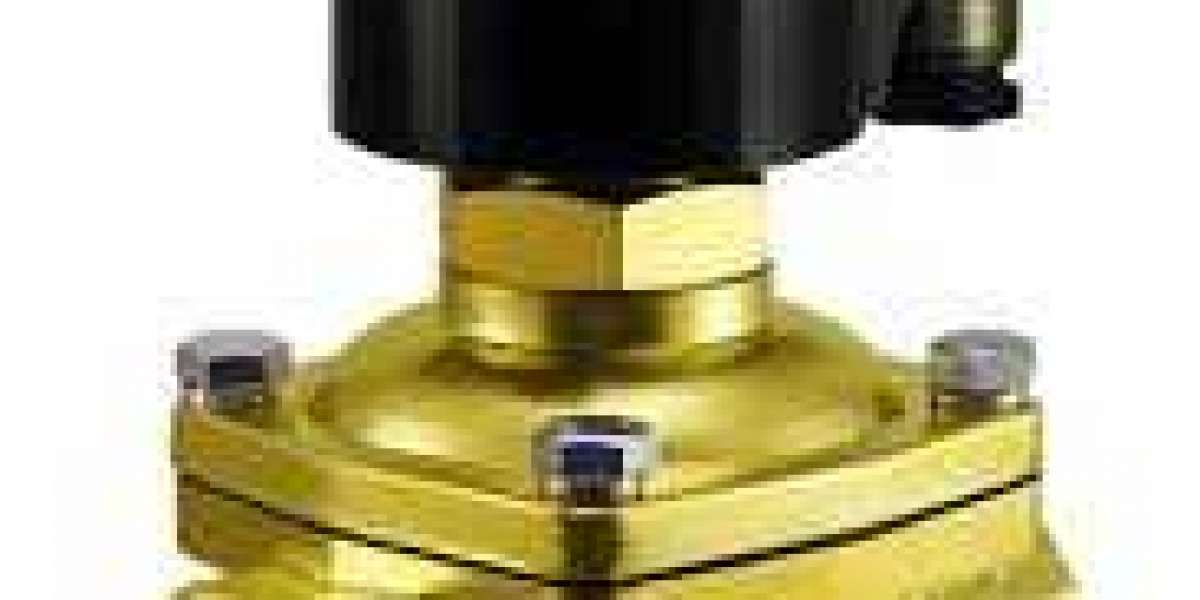
A solenoid-actuated water control device operates by using an electromagnetic coil to move a plunger that opens or closes the flow path. When energized, the magnetic field moves the mechanism to allow liquid movement, and when de-energized, it returns to its default position. This principle allows automation and precise flow regulation without manual intervention.
These valves are generally available as normally closed or normally open. Normally closed devices prevent water from passing until energized, while normally open ones allow flow until activated. Choosing the correct type depends on system safety requirements, energy efficiency goals, and operational conditions.
Advantages in Industrial and Commercial Applications
Using solenoid-actuated water control components provides several operational benefits. Automated operation reduces human error, ensuring that liquid only flows when necessary, which is essential in irrigation networks, manufacturing plants, and laboratory setups. Rapid response enables precise timing for chemical dosing, water treatment, and cooling systems.
Reliability is another major advantage. High-quality valves endure frequent actuation without performance degradation. In environments where consistent operation is critical, dependable valves directly affect productivity, safety, and resource management.
Materials and Construction for Longevity
Durable construction is essential for components expected to cycle repeatedly. Corrosion-resistant metals, high-grade plastics, and robust sealing elements help prevent leaks, maintain precise control, and minimize maintenance. The plunger, spring, and seals must retain their integrity under frequent operation and varying pressures.
Temperature tolerance is also crucial. Water supplies can fluctuate in temperature, sometimes significantly. Components must maintain stability under these conditions to avoid premature wear. Selecting appropriate materials ensures the device performs reliably over thousands of cycles.
Design Considerations for Demanding Systems
High-quality valves focus on practical challenges of modern water management. Compact dimensions, standardized connections, and simple installation allow seamless integration into existing pipelines. Accessible components simplify maintenance and reduce downtime.
Engineers also value consistent flow and precise actuation. Well-designed valves support irrigation networks, laboratory automation, and industrial water processes. Reliable operation prevents excessive energy consumption and reduces wear on pumps and auxiliary equipment.
Sustainable Water Management and Operational Efficiency
Efficient fluid control has become a core aspect of responsible building and process management. Automated solenoid devices help reduce water waste by regulating flow precisely, preventing overuse, and supporting conservation initiatives.
Properly engineered valves also improve overall operational efficiency. They maintain stable pressure, protect downstream components, and allow integration with remote monitoring systems. By combining durability, precise control, and energy savings, solenoid-actuated water control devices are central to sustainable water management.
For detailed product specifications, installation guidance, and related options, visit .