
Introduction
Turbine trip protection boards are essential components of modern turbine control and protection systems. They help safeguard gas and steam turbines by continuously monitoring critical operating conditions and initiating emergency shutdown procedures when necessary. Because these boards play a direct role in equipment protection and plant safety, proper maintenance is crucial for ensuring reliable performance and preventing costly downtime.
By following industry-recognized maintenance practices, operators can improve system reliability, reduce the risk of unexpected failures, and extend the lifespan of turbine protection equipment.
Understanding Turbine Trip Protection Boards
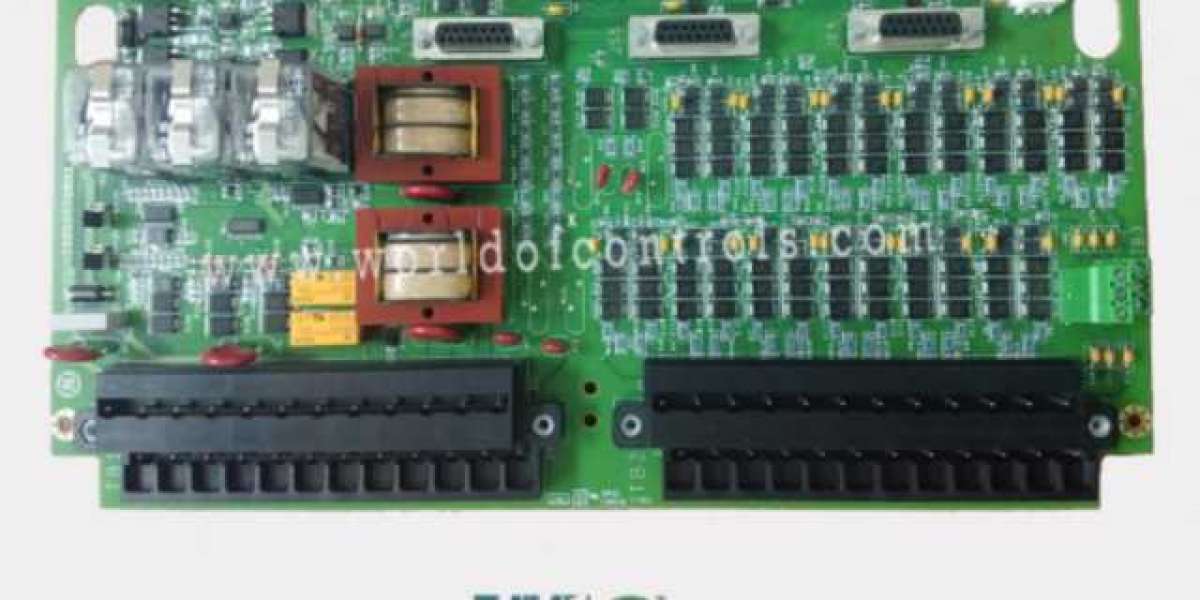
A is designed to monitor various turbine operating parameters and execute protective actions when abnormal conditions occur. These boards receive input signals from sensors and protection devices that track factors such as overspeed, excessive vibration, high temperatures, lubrication issues, and pressure fluctuations.
When a potentially dangerous condition is detected, the protection board processes the information and initiates a turbine shutdown sequence. This rapid response helps prevent equipment damage, operational disruptions, and safety hazards.
Because turbine trip protection boards serve as a critical layer of defense, maintaining their functionality is a key responsibility for plant operators and maintenance teams.
Conduct Regular Visual Inspections
Routine visual inspections are one of the simplest yet most effective maintenance activities. Technicians should inspect protection boards and associated control cabinets for signs of:
- Dust and debris accumulation
- Corrosion or moisture intrusion
- Burn marks or overheating
- Damaged connectors or wiring
- Loose hardware and mounting components
Identifying and addressing these issues early can prevent minor problems from developing into major failures.
Verify Electrical Connections
Reliable electrical connections are essential for accurate signal transmission and proper protection system operation. Over time, vibration, thermal cycling, and environmental factors can cause connections to loosen or deteriorate.
Maintenance personnel should periodically inspect and verify:
Terminal Connections
Ensure all terminals are secure and free from corrosion.
Cable Integrity
Check for damaged insulation, wear, or signs of aging.
Grounding Systems
Confirm that grounding connections remain intact and comply with facility standards.
Strong electrical connections help maintain consistent system performance and reduce the likelihood of false trips or communication errors.
Perform Functional Testing
Regular functional testing helps verify that protection boards can respond correctly during abnormal operating conditions. Testing procedures should confirm that:
- Input signals are accurately processed
- Protection logic functions as intended
- Alarm systems activate properly
- Trip outputs initiate shutdown sequences when required
Simulated fault testing allows maintenance teams to evaluate system performance in a controlled environment and identify potential weaknesses before they affect operations.
Maintain Proper Environmental Conditions
Electronic protection equipment performs best when installed in controlled environments. Excessive heat, humidity, dust, and vibration can accelerate component wear and increase failure rates.
Temperature Management
Ensure ventilation systems and cooling equipment operate effectively to prevent overheating.
Humidity Control
Maintain appropriate humidity levels to minimize corrosion and electrical issues.
Clean Enclosures
Keep control cabinets clean and replace air filters regularly to prevent contaminant buildup.
Environmental management plays a significant role in extending equipment life and improving reliability.
Keep Maintenance Records Up to Date
Comprehensive documentation supports effective maintenance planning and troubleshooting. Facilities should maintain detailed records of:
- Inspection schedules
- Test results
- Repairs and replacements
- System modifications
- Operational incidents
Accurate records help identify recurring issues, track equipment health, and support long-term reliability initiatives.
Implement a Preventive Maintenance Strategy
A proactive maintenance program is often more cost-effective than reactive repairs. Preventive maintenance schedules should include regular inspections, testing procedures, environmental monitoring, and personnel training.
By addressing potential issues before they result in failures, organizations can reduce downtime, improve safety, and optimize turbine performance.
Conclusion
Turbine trip protection boards are fundamental to the safe and reliable operation of industrial turbines. Their ability to detect abnormal conditions and initiate protective actions helps prevent equipment damage and maintain operational continuity. Through regular inspections, functional testing, environmental control, and preventive maintenance practices, facilities can ensure that their turbine protection systems continue to perform effectively for years to come.