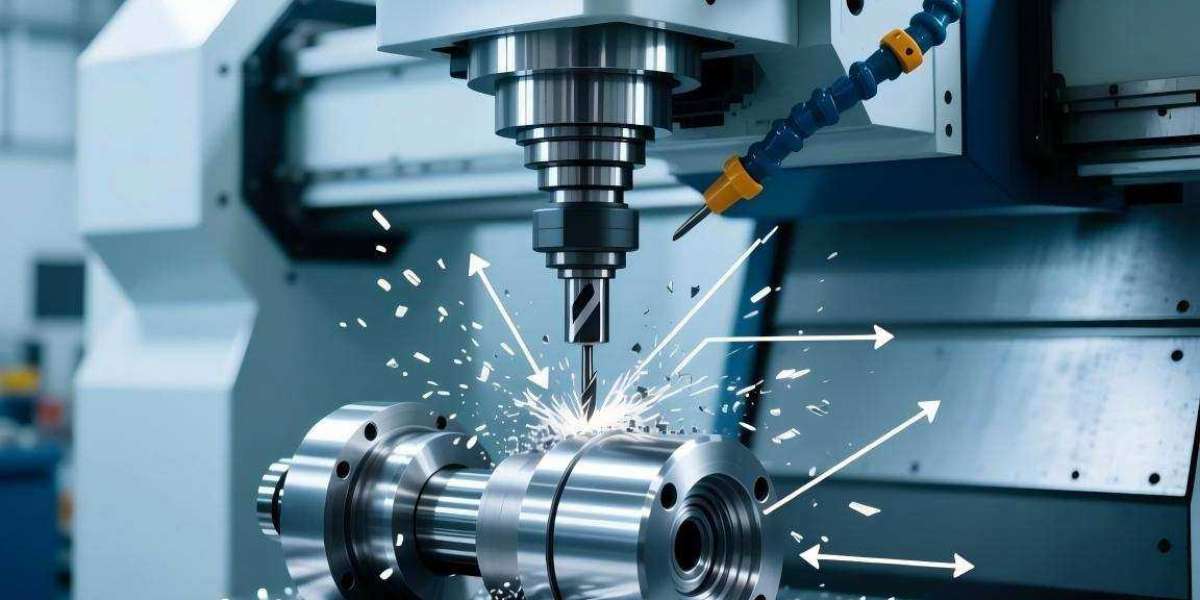

Reliable industrial manufacturing depends on carefully engineered metal parts, and Stamping Machining provides an efficient approach for producing components that combine structural consistency, dependable performance, and practical manufacturing flexibility. The value of this production method comes from the integration of thoughtful material selection, coordinated processing, controlled finishing, and stable quality management rather than relying on a single manufacturing stage. Yongkang Ruizan Industry and Trade Co., Ltd. continuously develops production practices that support precision manufacturing while adapting to diverse industrial requirements.
The primary function of precision metal components is to ensure reliable interaction between individual parts within larger mechanical assemblies. Every component is expected to maintain stable dimensional consistency, dependable structural characteristics, and smooth assembly compatibility throughout normal operation. Manufacturers therefore evaluate processing methods from the earliest development stage to ensure that material properties, production techniques, and functional requirements remain balanced during manufacturing. This integrated approach supports products that perform efficiently while simplifying subsequent assembly activities.
Precision manufactured components are widely applied across many industrial sectors because they offer excellent adaptability for different production environments. They are incorporated into mechanical equipment, industrial hardware, automation devices, customized assemblies, transportation products, and manufacturing systems that require reliable interaction between connected components. Although every application introduces different functional expectations, manufacturers consistently seek production methods capable of delivering repeatable quality while supporting flexible product development.
A stable manufacturing workflow begins with organized production planning. Material preparation, forming operations, precision finishing, inspection procedures, surface treatment, and packaging are coordinated as connected manufacturing stages instead of isolated processes. This systematic workflow improves operational consistency while reducing unnecessary interruptions throughout production. Careful coordination between engineering teams and production personnel also helps create manufacturing environments where product quality remains stable from the beginning of processing through final delivery.
Continuous process innovation focuses on improving production efficiency through practical refinement. Manufacturers regularly optimize tooling arrangements, fixture organization, workflow coordination, and processing sequences to strengthen manufacturing stability. Rather than introducing unnecessary complexity, these improvements simplify production while enhancing consistency across different manufacturing projects. Continuous evaluation of production methods also allows manufacturers to respond effectively to changing customer requirements without compromising product quality.
Performance is directly influenced by manufacturing discipline and effective quality management. Reliable production requires careful material verification, process monitoring, equipment maintenance, and inspection throughout every manufacturing stage. Instead of depending only on completed product evaluation, manufacturers increasingly monitor production conditions during processing so that potential variation can be identified and corrected before affecting finished components. This preventive quality philosophy supports dependable manufacturing while reducing unnecessary reprocessing.
Surface quality is equally important because it influences both product appearance and assembly performance. Well-controlled finishing processes create smooth surfaces, consistent edges, and reliable contact areas that improve installation efficiency. Components produced with careful finishing methods are easier to assemble and better suited for long-term interaction within mechanical systems. Consistent finishing also reflects disciplined manufacturing practices that contribute to dependable industrial applications.
Proper maintenance extends the practical value of precision metal components after installation. Routine cleaning helps maintain stable operating conditions by reducing the accumulation of contaminants on functional surfaces. Appropriate lubrication supports smooth mechanical movement where required, while regular inspections help identify natural wear before it influences surrounding assemblies. Planned maintenance encourages reliable equipment operation while supporting uninterrupted manufacturing activities throughout the service life of the components.
Processing considerations continue beyond manufacturing and remain important during product integration. Engineers often evaluate installation methods, assembly accessibility, processing efficiency, and future maintenance requirements while developing production solutions. Components designed with practical assembly in mind reduce unnecessary fitting adjustments during installation and improve manufacturing efficiency throughout downstream production activities. This design philosophy benefits both manufacturers and equipment builders by creating components that integrate naturally into complete mechanical systems.
Industrial production increasingly requires manufacturers to balance customization with consistent quality. Different applications often require modifications in structure, appearance, or processing methods while maintaining dependable manufacturing standards. Yongkang Ruizan Industry and Trade Co., Ltd. supports these evolving requirements through stable production management, continuous manufacturing improvement, and flexible precision metal processing solutions designed for a broad range of industrial applications. More information about its manufacturing approach is available at .