
Facade joints are among the most important yet often overlooked parts of a building’s exterior. They are designed to accommodate movement between different building materials while helping prevent water, air and contaminants from entering vulnerable areas. In Sydney, where buildings are exposed to strong sunlight, changing temperatures, rain, wind and coastal conditions, properly sealed facade joints can play an important role in maintaining the performance and appearance of an exterior. Materials such as concrete, masonry, metal, glass and other facade components can expand, contract or shift at different rates, creating movement that a rigid connection may struggle to accommodate. A suitable elastic sealant provides a flexible barrier that can move with the joint rather than cracking or separating when the facade changes.
Effective facade joint sealing is therefore more than simply applying a bead of caulking around a visible gap. The sealant, joint design, surface preparation, application method and surrounding materials all contribute to long-term performance. This is particularly relevant to in Sydney, where exterior joints must cope with repeated exposure to the Australian environment. A properly selected and installed sealant can help maintain weather resistance while allowing controlled movement. Understanding how sealants respond to movement, ultraviolet radiation and changing weather conditions makes it easier for property owners, builders and facility managers to recognise why professional facade sealing is an important part of exterior building maintenance.
Why Facade Joints Need Flexible Sealing
Buildings are not completely static structures. Even when a building appears solid and unmoving, its facade can experience small changes throughout the day and across the seasons. Temperature changes can cause construction materials to expand during warmer conditions and contract as they cool. Different materials may also respond at different rates. For example, metal, glass, concrete and masonry do not necessarily experience the same amount of dimensional change.
Facade joints provide a controlled location where this movement can occur. Rather than allowing movement to create random cracks or openings, properly designed joints help accommodate predictable changes. The sealant installed within these joints needs to remain flexible enough to stretch, compress and recover as the joint changes.
A sealant that is too rigid may crack when subjected to repeated movement. Once cracks develop, water can find a pathway behind the facade system. A sealant that has lost adhesion can also pull away from one or both sides of the joint, creating a visible gap. This is why flexibility and adhesion are key considerations when selecting a product for facade work.
How Sealants Handle Building Movement
The ability of a sealant to handle movement depends on both the product and the way the joint has been prepared. Elastic sealants are designed to deform when the joint moves and then recover their original shape as the movement reduces. This allows the joint to continue functioning as a flexible weather barrier.
Movement can occur in several ways. Thermal movement is one of the most common causes, particularly on exterior facades exposed to direct sunlight. Structural movement, settlement and minor changes caused by building loads can also influence joints. Wind can create additional movement in facade elements, especially on larger buildings.
A correctly installed sealant joint does not attempt to stop all movement. Instead, it accommodates movement while maintaining contact with the adjoining surfaces. The joint needs to have appropriate dimensions and configuration so that the sealant can move effectively without being subjected to unnecessary stress.
This is one reason why simply filling a large gap with sealant is not always an appropriate solution. Joint width, depth, substrate condition and sealant geometry all matter. Proper installation focuses on creating a joint that allows the sealant to perform as intended.
The Impact of Sydney's Weather on Facade Sealants
Sydney's exterior building surfaces can experience a broad range of weather conditions. Strong sunlight, seasonal temperature changes, heavy rain and wind can repeatedly challenge facade joints. Coastal properties may also face additional exposure associated with a marine environment.
Water is one of the primary concerns. When rain reaches an unsealed or deteriorated facade joint, it can penetrate behind exterior materials and potentially contribute to staining, deterioration or moisture-related problems. The visible joint may appear relatively minor, but its location can make it an important part of the building envelope.
This is where Weatherproof Sealing Sydney becomes particularly valuable. Exterior sealants are intended to create a continuous barrier at vulnerable junctions and help prevent water and air from passing through gaps. However, weatherproof performance depends heavily on installation quality. Even a high-performance sealant may fail prematurely if surfaces are contaminated, poorly prepared or unsuitable for the chosen material.
UV Exposure and Sealant Durability
Ultraviolet radiation is another major consideration for exterior facade joints. Unlike interior sealants, facade sealants are regularly exposed to sunlight. Over time, UV radiation can contribute to changes in the appearance and physical properties of some materials.
High-quality exterior sealants are formulated to withstand outdoor exposure, but no sealant should be considered completely unaffected by the environment. Prolonged sunlight, temperature fluctuations and moisture can gradually influence the sealant's surface and performance.
For this reason, selecting a sealant suitable for exterior exposure is important. The product should be compatible with the substrates and appropriate for the expected environmental conditions. Installation should also follow the manufacturer's requirements regarding curing, application temperatures, joint dimensions and surface preparation.
Regular inspection can help identify early signs of UV-related deterioration. Changes such as surface cracking, loss of elasticity, splitting, chalking, discolouration or separation from the substrate may indicate that a joint needs attention.
What Is Weatherproof Caulking?
'Weatherproof caulking' refers to the use of suitable sealant materials to close joints, gaps and junctions against external environmental conditions. On a building facade, this can include areas around windows, doors, cladding interfaces, penetrations, expansion joints and transitions between different materials.
The purpose is not simply cosmetic. Proper caulking can support the building envelope by helping reduce pathways through which rainwater and air can enter. It can also provide a neat finish around facade components while allowing the joint to accommodate movement.
The success of weatherproof caulking depends on more than the appearance of the finished bead. A smooth bead may look professional, but the seal can still fail if adhesion is poor or the joint has not been correctly prepared. Professional application therefore considers the complete joint rather than just the visible surface.
Surface Preparation Is Critical
One of the most important stages of facade joint sealing occurs before the sealant is applied. The joint surfaces need to be properly prepared so the sealant can form a reliable bond.
Dust, dirt, loose material, grease, old failed sealant and other contaminants can interfere with adhesion. In some cases, deteriorated existing sealant must be carefully removed before new material is installed. The surrounding substrate may also require cleaning or preparation appropriate to the material.
Moisture can also be an important consideration. Depending on the sealant and substrate, installation may require dry or specifically conditioned surfaces. Manufacturer instructions should always be followed because application requirements vary between products.
Good preparation helps create a stronger bond and reduces the risk of premature failure. It also provides an opportunity to inspect the joint for deeper problems before the new sealant is installed.
The Importance of Joint Design
A sealant cannot compensate indefinitely for an incorrectly designed or damaged joint. The joint needs to provide sufficient space for the sealant to accommodate expected movement.
Sealant joints are generally designed so that movement occurs within the sealant rather than placing excessive stress on its bond to the substrate. Appropriate joint depth and width can therefore influence service life.
Where necessary, a backing material may be used to help control sealant depth and support the correct joint configuration. This can help prevent excessive sealant thickness and reduce unwanted adhesion where movement needs to occur.
The exact requirements depend on the facade system, joint dimensions, substrates and selected sealant. For this reason, facade sealing should be approached as a technical building-envelope task rather than as ordinary gap filling.
Common Areas That Require Facade Sealing
Facade joints can occur in many locations across residential, commercial and industrial buildings. Window and door perimeters are common areas because they involve transitions between different materials and can be exposed directly to rain.
Cladding joints and panel interfaces may also require sealing. These areas can experience movement as the facade responds to temperature changes. Connections between masonry, concrete, metal and other facade materials may likewise require flexible joints.
Penetrations through the exterior envelope can create additional opportunities for water entry. Pipes, cables, fixtures and other elements may interrupt an otherwise continuous facade, making appropriate sealing important.
Older buildings can present different challenges. Existing sealant may have deteriorated, while movement, weather exposure and previous repairs may have altered the condition of the joint. Before resealing, it is important to determine whether the existing joint configuration remains suitable.
External Caulking Sydney: Why Professional Installation Matters
For property owners looking for external , the quality of workmanship is just as important as the sealant itself. Exterior caulking is exposed to conditions that can quickly reveal installation weaknesses.
A professional approach normally begins with assessing the joint and surrounding facade. The existing sealant, substrate, joint dimensions and likely movement should be considered before work begins. Failed material may need to be removed, and the surfaces should be prepared according to the requirements of the selected sealant.
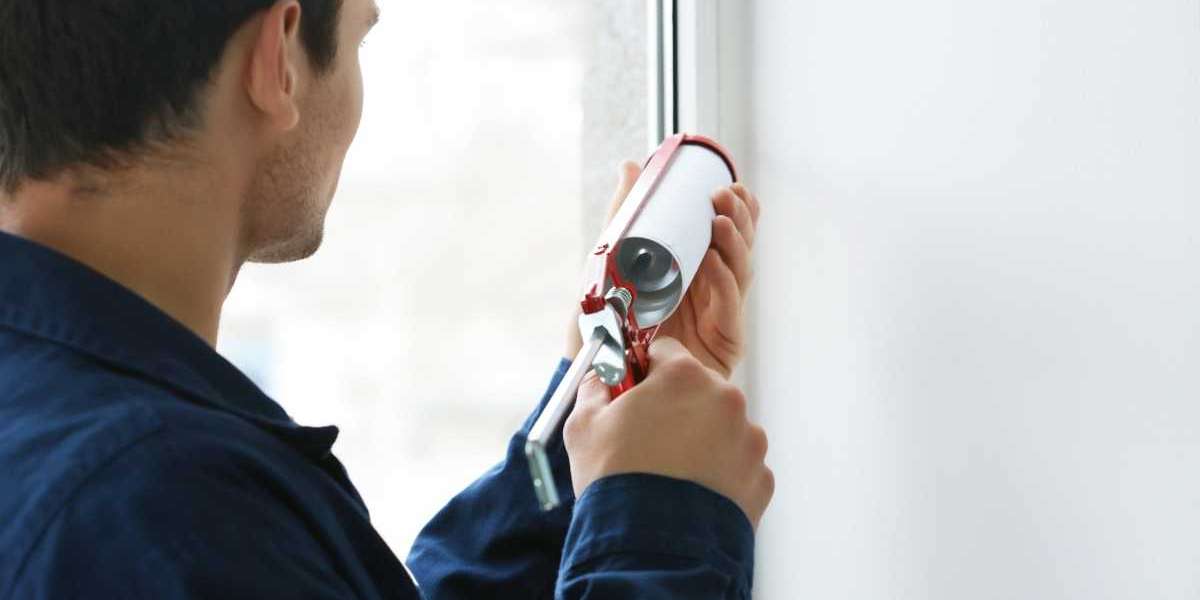
The sealant should then be applied consistently, with appropriate tooling to create proper contact and a clean finish. Attention to corners, transitions and changes in substrate is especially important because these areas can become vulnerable points if they are not sealed correctly.
Professional installation also reduces the likelihood of common problems such as air pockets, inconsistent bead dimensions, poor adhesion and incomplete coverage.
Signs That Facade Sealant May Need Replacement
Regular visual inspections can help property owners identify potential problems before they become more significant. Cracked sealant is an obvious warning sign, but deterioration can appear in other forms as well.
Separation between the sealant and substrate may indicate adhesion failure. Gaps at corners or intersections can provide pathways for water. Brittle or hardened sealant may no longer accommodate the movement for which the joint was originally designed.
Discolouration, surface deterioration and visible gaps around windows or facade panels should also be investigated. Interior signs such as unexplained dampness, staining or moisture near exterior openings may warrant an inspection of the corresponding facade joints.
Importantly, not every crack or moisture issue is caused by sealant failure. Building movement, drainage problems, substrate deterioration and other defects can have similar symptoms. Where significant structural or water-ingress concerns exist, the underlying cause should be assessed rather than simply covering the visible problem with new caulking.
Maintenance Can Extend Facade Performance
Facade sealing should be viewed as part of ongoing building maintenance rather than a one-time task that never requires attention. Exterior sealants operate in demanding conditions, so periodic inspections can help identify deterioration before joints become ineffective.
The frequency of inspection can depend on the building's location, age, facade design, exposure and previous maintenance history. Buildings with significant sun exposure or coastal exposure may require particular attention to sealant condition.
Keeping facade joints in good condition can help preserve the integrity of the building envelope and reduce the risk of water entering through deteriorated connections. Early maintenance may also be more straightforward than waiting until moisture has affected surrounding materials.
Choosing the Right Approach for Sydney Buildings
Every facade is different, so the appropriate sealing method depends on the building materials, joint design and environmental exposure. A sealant that works well for one application may not be appropriate for another.
Compatibility is particularly important where different substrates meet. The sealant needs to adhere effectively to the surfaces while providing the required flexibility and weather resistance. Colour and appearance can also matter where joints are highly visible.
For Sydney buildings, the chosen system should be capable of handling exterior exposure, including sunlight, rain and temperature fluctuations. Good installation practices are essential for achieving the intended service life.
Building owners should also consider the condition of the existing joint before deciding whether to repair or replace the sealant. If the joint itself has movement or substrate problems, applying another layer of sealant may only provide a temporary improvement.
Final Thoughts
Facade joint sealing plays an important role in protecting buildings against movement, UV exposure, and changing weather conditions. Flexible sealants allow facade joints to respond to normal building movement while helping maintain a barrier against rain and air. In Sydney's demanding exterior environment, correct product selection, joint preparation, application and ongoing inspection all contribute to long-term performance.
Effective building exterior sealing is ultimately about protecting the building envelope rather than simply making gaps look neat. When movement, UV exposure and weather are considered during the sealing process, facade joints are better positioned to perform their intended function. Whether the requirement involves maintenance, remedial work or new construction, careful attention to exterior joints can support the durability and weather resistance of Australian buildings.
For professional facade and exterior sealing requirements in Sydney, you can learn more about available services and sealing solutions at The Australian Caulking Company.