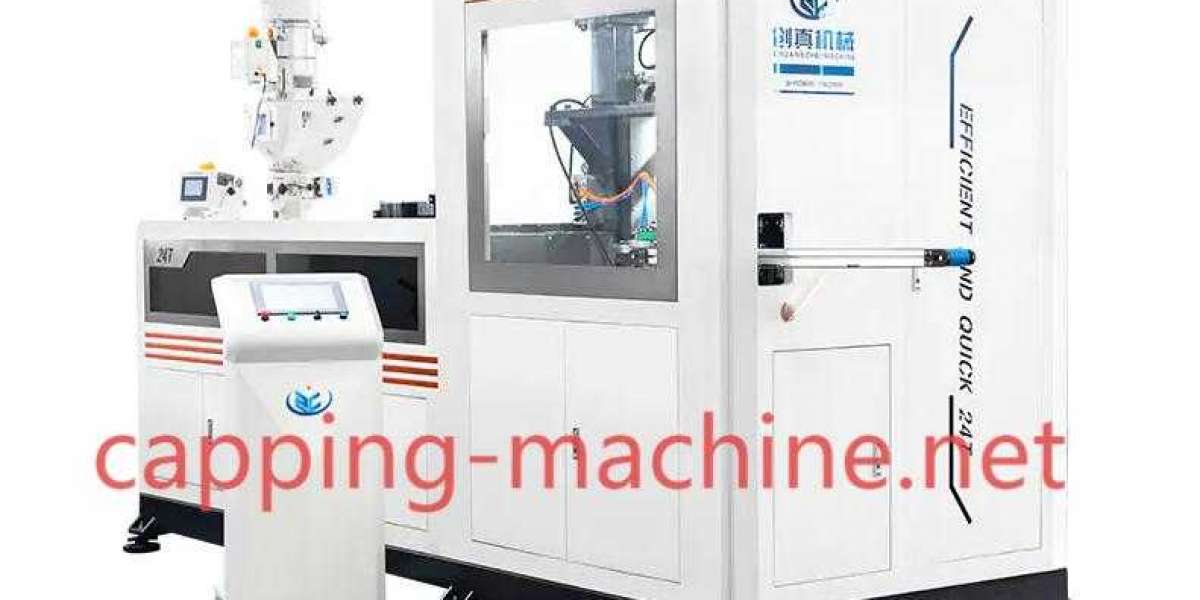

In modern closure manufacturing, technology provides a continuous approach to shaping plastic components, while Capping-Machine focuses on bringing mechanical coordination and practical production requirements into closer alignment. The rotary concept creates a production environment where multiple forming stages can work within an organized movement pattern, making the relationship between material handling, moulding, cooling, and transfer an important part of equipment design.
A rotary production structure can help manufacturers think about closure manufacturing as a connected sequence rather than a collection of independent actions. As material moves through different working positions, each stage can contribute to the development of the finished component. This coordinated arrangement places attention on timing, mechanical stability, mould interaction, and smooth product transfer.
Material behavior remains central to the forming process. Plastic must respond appropriately to the conditions established by the production system, and the relationship between preparation, forming pressure, mould geometry, and cooling can influence the final result. Careful process organization allows manufacturers to create a more predictable manufacturing environment while adapting the workflow to the characteristics of the chosen material.
Mould design is another key consideration. Closure shapes may contain threads, sealing features, textured surfaces, or other functional details. These characteristics require a forming system that can reproduce the intended geometry while supporting smooth movement throughout the production cycle. When moulding and mechanical movement are designed together, the entire process can become easier to coordinate.
The rotary structure also places emphasis on synchronization. Material feeding, mould engagement, forming, cooling, and product release need to occur in harmony. A well-organized system can make the production sequence easier to monitor and can provide a clearer relationship between each stage and the finished closure.
Flexibility matters as packaging requirements evolve. Manufacturers may work with different closure designs, materials, or container applications over time. Equipment designed with adaptability in mind can help businesses respond to these changes while maintaining a coherent manufacturing strategy. This can be particularly valuable for companies that want their production environment to remain relevant as product concepts develop.
Maintenance and operator experience should not be overlooked. Accessible working areas, logical controls, practical component placement, and clear process visibility can make routine operation more comfortable. When maintenance considerations are integrated into equipment design, production teams can approach inspection and servicing with greater confidence.
A complete manufacturing perspective therefore goes beyond the rotary mechanism itself. It includes material preparation, mould engineering, process synchronization, cooling, transfer, maintenance, and integration with the surrounding packaging line. Each element contributes to how naturally the equipment fits into a working factory.
The next packaging concept may already be taking shape in your imagination. Give it a mechanical direction by visiting —sometimes the most interesting production journey begins with a single click.