
Introduction
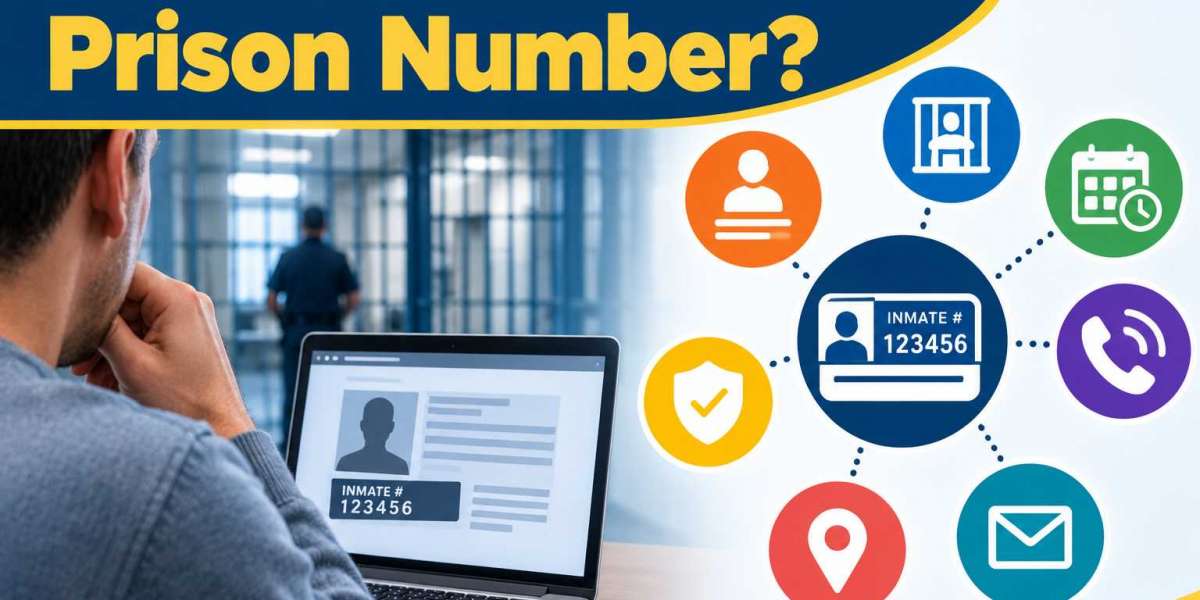
A prison number is an identification number used to identify a person who is in prison. It helps prison staff find the correct records, manage custody details, and keep information organised. Families may also need this number when asking about a loved one or arranging approved communication.
The information linked to a Prison Number depends on the prison system and the rules in place. It may connect to personal details, custody records, legal information, and communication arrangements. However, not every detail is available to the public because some records are protected by privacy and security rules.
Understanding how a prison number works can help families make enquiries, complete required steps, and avoid confusion when contacting a prison.
What Is a Prison Number?
A prison number is a unique identifier assigned to a person within a prison system. It helps staff find the correct record without relying only on a person's name.
Two people may have similar names, which can lead to confusion when records are checked. A prison number helps reduce this risk by linking information to the correct person.
The number may be used for record management, custody information, and approved communication processes. Its exact purpose can vary between prison systems.
A prison number is not always the same as an arrest number, booking number, or court case number. Each number serves a different purpose, so it is important to use the correct one when making an enquiry.
What Information Is Linked to a Prison Number?
Personal Identification Details
A prison number may be linked to basic information that helps confirm a person's identity. This can include their full name, date of birth, and other identifying details required by the relevant system.
These details help prison staff check that documents and requests belong to the correct person. They are especially useful when several people have similar names.
However, having a prison number does not mean that anyone can view all the personal information connected to it. Access depends on the rules of the prison system and the person's privacy rights.
Custody and Prison Details
A Prison Number may also connect to information about a person's custody status. This can help authorised staff manage records and confirm where a person is being held.
Depending on the system, these records may include the prison facility, current custody status, and transfers between facilities. Some basic information may be available through an approved public search, while detailed records may remain restricted.
Families who need to confirm a person's location should follow the correct enquiry process. Providing the prison number, when requested, can help staff find the relevant record more quickly.
Sentence and Legal Information
In some systems, a prison number may be linked to sentence details and legal records. These records help authorised staff manage custody arrangements and follow the requirements set by the relevant authorities.
Depending on access rules, the records may include sentence information, court decisions, or expected release arrangements. However, the prison number itself does not explain the person's full legal situation.
A prison number should not be confused with a court case number. The prison number identifies a person within the prison system, while the court case number refers to a particular legal matter.
Communication and Contact Records
Families may need a prison number when asking about approved phone calls, visits, or other communication options. It can help staff identify the correct person and check the relevant contact arrangements.
Some facilities may ask families to provide this number when making enquiries or completing communication procedures. However, having the number does not automatically give someone permission to contact a prisoner.
Family members may still need to register their details, receive approval, or follow specific rules. Checking the requirements before arranging contact can help prevent delays.
Administrative Records
Prison staff manage different types of records during a person's time in custody. A prison number can help connect these records to the correct individual.
Depending on the system, it may be used for paperwork, movement between facilities, scheduled appointments, and other daily administrative tasks. Linking records through one identifier helps reduce errors and keeps information organised.
Some administrative details are private and can only be viewed by authorised people. Families should not expect every record connected to a prison number to be available on request.
How Is a Prison Number Used?
A prison number can help staff identify a person and find the correct records when an approved request is made.
Common uses may include:
- Checking a person's identity during an enquiry.
- Finding custody records held by the relevant facility.
- Supporting approved phone call or visiting arrangements.
- Linking documents and administrative requests to the correct person.
- Reducing confusion when people have similar names.
The exact uses depend on the prison system. Families should provide the number through an appropriate channel and follow the instructions given by the facility.
Is Information Linked to a Prison Number Public?
No, not all information linked to a prison number is public. Some systems allow people to check limited custody information, while other records can only be accessed by authorised staff or approved individuals.
Personal details, legal records, health information, and security-related information may have extra privacy protections. The rules depend on the location and the type of information requested.
If a family member needs details about someone in prison, they should use the relevant official enquiry process. They may need to confirm their identity or explain why they are requesting the information.
Prison Number vs Other Reference Numbers
Different numbers may be used during arrest, court proceedings, and imprisonment. Knowing the difference can help families provide the right details when making an enquiry.
Number Type | Main Purpose | Common Use |
Prison Number | Identifies a person within a prison system | Prison records and approved enquiries |
Arrest Number | Refers to an arrest record | Arrest-related enquiries |
Court Case Number | Identifies a legal case | Court records and legal documents |
Booking Number | Identifies a booking or intake record in systems that use it | Custody intake procedures |
These numbers may serve different purposes and may not be accepted in place of one another. Always check which reference is required before submitting a request.
What If You Do Not Know the Prison Number?
Not knowing a prison number does not always prevent you from making an enquiry. Some facilities may be able to begin a search using other identifying details.
Families may be asked to provide the person's full name, date of birth, or other information needed to confirm their identity. The available search options depend on the prison system.
Before contacting a facility, check which details are required and make sure they are correct. If the person has recently entered custody or moved to another facility, records may take time to update.
If you cannot find the required information, contact the relevant facility or authorised enquiry service for guidance.
How to Keep Prison Number Information Safe
A prison number should be handled carefully because it can help identify a person in custody. While the number alone may not provide access to every record, it can still be sensitive when combined with other personal details.
Families can protect this information by keeping it in a safe place, sharing it only when needed, and avoiding public posts that include identifying details. They should also check that they are using an authorised communication channel before providing personal information.
Never share passwords or financial details with someone who has no valid reason to request them. Taking these simple steps can help protect both the prisoner and their family.
Frequently Asked Questions
1. What does a prison number tell you?
A prison number mainly identifies a person within a prison system. It may link to personal identification details, custody records, and other administrative information. Access to these records depends on the rules and privacy requirements of the relevant system.
2. Can I find a prisoner's location using their prison number?
Some prison systems provide approved searches that show limited custody information. Others restrict access to location details. Families should use the relevant official enquiry process and provide the prison number and any other required information.
3. Is a prison number the same as a court case number?
No, these numbers usually serve different purposes. A prison number identifies a person within a prison system, while a court case number identifies a legal matter. You may need one or both when making enquiries.
4. Do I need a prison number to contact someone in prison?
Not always. Some facilities may accept a person's name and other identifying details. However, a prison number can make an enquiry easier and more accurate. Contact approval and communication rules may still apply.
5. Is it safe to share a prison number?
Share a prison number only with authorised services or people who have a valid reason to request it. Avoid posting it publicly, and check that the communication channel is genuine before providing additional personal information.
Conclusion
A helps prison staff identify people in custody and connect their details to the correct records. Depending on the system, it may be linked to personal information, custody status, legal records, communication arrangements, and administrative details.
However, not all linked information is public. Privacy rules determine who can access particular records and what details can be shared.
Families can use a prison number to make enquiries more accurately and follow approved communication procedures. Knowing what the number is used for, providing the correct reference, and keeping the information safe can make prison-related enquiries easier to manage.