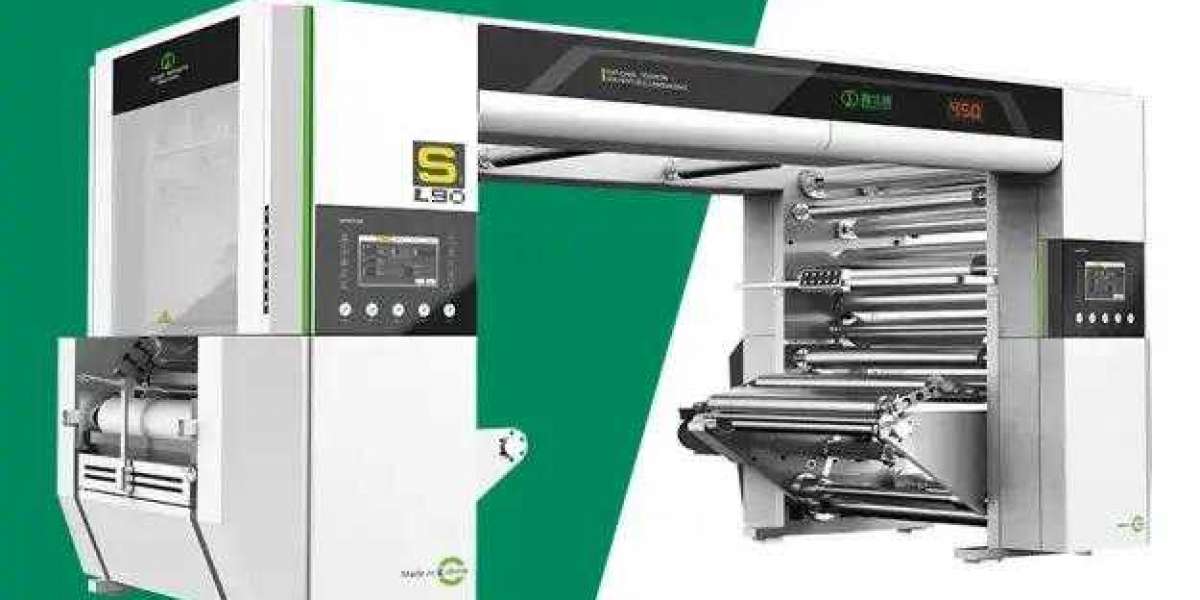

In the diverse world of flexible packaging, two-layer laminates represent the vast majority of everyday packaging structures—from snack bags and frozen food pouches to pharmaceutical sachets and cosmetic packaging. The has emerged as the production workhorse that delivers the perfect balance of efficiency, quality, and cost-effectiveness. SINSTAR's WRJ i9-1300A exemplifies this category, combining proven technology with user-friendly operation to serve converters worldwide.
Understanding Two-Layer Lamination
involves bonding two distinct substrate materials—such as PET and PE, BOPP and CPP, or aluminum foil and plastic film—into a single composite structure that leverages the best properties of each material. The outer layer typically provides printability, strength, or barrier properties, while the inner layer offers sealability, heat resistance, or food-contact compliance.
The WRJ i9-1300A is specifically engineered for 2-layer lamination, featuring a single composite workstation with compact structure and simplified operation. This focused design delivers several distinct advantages:
Operational Simplicity: The machine's streamlined control system minimizes operator intervention during production, making it accessible to operators with limited experience. The user-friendly design and clear operation logic enable beginners to master the machine in just two days.
Material Versatility: The WRJ i9-1300A is compatible with a wide range of common substrates, including BOPP, PET, PE, CPP, VMPET, nylon film, aluminum foil, and paper-based materials. This adaptability allows converters to handle diverse packaging requirements without investing in multiple specialized machines.
Cost-Effectiveness: As a dedicated 2-layer solventless laminating machine, the WRJ i9-1300A eliminates unnecessary complexity and cost associated with multi-layer systems. For converters focused primarily on two-layer production, this represents a more economical investment with faster payback.
Common Two-Layer Structures and Applications
The WRJ i9-1300A supports a comprehensive range of two-layer structures that cover the most common flexible packaging applications:
PET/PE – The industry standard for general-purpose packaging, combining PET's strength and printability with PE's sealability. Widely used for snack foods, confectionery, and dry goods.
BOPP/CPP – A popular structure for applications requiring high clarity and stiffness, commonly used for baked goods, textiles, and stationery.
BOPP/PE – An economical option for lightweight packaging such as bread bags and produce packaging, offering good machinability and moderate barrier properties.
PET/CPP – Preferred for applications requiring higher heat resistance, such as retort packaging and boil-in-bag products.
Metallized Film/Plastic Film – Used for packaging requiring high barrier to light, moisture, and oxygen, such as coffee and snack packaging.
Aluminum Foil/Plastic Film – Essential for pharmaceutical and high-end food packaging where absolute barrier is required.
Paper/Plastic Film – Increasingly popular for sustainable packaging solutions combining paper's renewable credentials with plastic's functional properties.
Technical Excellence in Two-Layer Lamination
What distinguishes the WRJ i9-1300A from competing 2-layer solventless laminating machines is its attention to technical details that directly impact production quality and efficiency.
The multi-stage tension control system ensures that different materials maintain a flat and uniform composite effect even under high-speed operation. This is particularly critical when laminating materials with different elongation characteristics—a common challenge in two-layer lamination. The closed-loop tension feedback continuously adjusts to maintain optimal tension across the entire web, preventing wrinkles, telescoping, and other defects.
The precise adhesive coating system delivers uniform adhesive layers with minimal waste. Solventless lamination typically uses 1.0 to 2.5 grams of adhesive per square meter—significantly less than the 2.5 to 4 g/m² required in dry lamination. This reduction in adhesive consumption translates directly into lower material costs and reduced environmental impact.
The SINSTAR Advantage
With maximum laminate speeds of 450 meters per minute and widths up to 1650 mm, the WRJ i9-1300A delivers the throughput that modern packaging converters demand. The shaftless loading mechanism simplifies roll changes, while the 800 mm unwind and rewind diameters support long production runs with fewer interruptions.
For applications requiring more than two layers, offers triplex and quadplex systems that can produce three- or four-layer structures in a single pass. This flexibility within the SINSTAR product family means converters can start with a 2-layer solventless laminating machine and scale up as their business grows—all within the same trusted technology platform.