
Choosing a 4WD ATV for demanding terrain requires more than looking at engine displacement or maximum horsepower. Mud, steep slopes, rocky trails, and uneven ground place different demands on an ATV's drivetrain, ground clearance, suspension, and handling.
For riders who regularly travel beyond maintained trails, the right ATV should provide sufficient traction, controlled power delivery, and enough clearance to handle obstacles without frequent underbody contact. Here are the key factors to evaluate before choosing a 4WD ATV.
1. Check the 4WD System and Differential Lock
The drivetrain is one of the most important considerations when selecting an ATV for challenging terrain. A 4WD system allows power to reach all four wheels, improving traction when the surface becomes loose, slippery, or uneven.
However, not all 4WD systems offer the same level of control. Look for an ATV with selectable drive modes:
2WD: Suitable for firm ground and ordinary riding conditions where additional traction is unnecessary.
4WD: Distributes drive power to all four wheels to improve traction on muddy trails, loose gravel, and uneven surfaces.
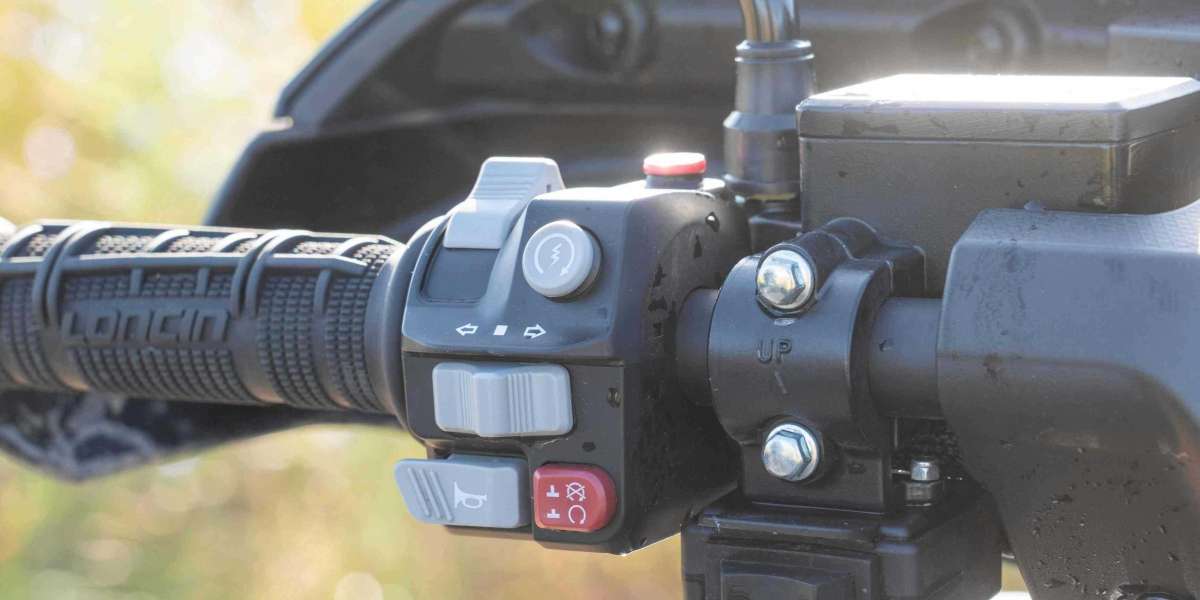
4WD Lock: Locks the front differential to help maintain traction when one front wheel loses grip.
Differential lock can be particularly useful in deep mud, ruts, and uneven sections where individual wheels may lose contact with the ground. It gives riders another option when standard 4WD is not enough.
Before purchasing, check how easily the drive modes can be selected and whether the system is designed for the terrain you expect to encounter.
2. Evaluate Ground Clearance
Ground clearance determines how much space is available between the ATV's underside and the ground. It directly affects the vehicle's ability to cross rocks, roots, deep ruts, and other obstacles.
For demanding terrain, insufficient clearance can cause the skid plate, chassis, or suspension components to contact the ground. This may interrupt progress and increase the risk of underbody damage.
When comparing models, consider:
Rocky trails: Higher clearance helps the ATV pass over rocks and uneven surfaces.
Deep ruts: Adequate clearance reduces the chance of the chassis becoming grounded.
Mud and rough tracks: Clearance helps maintain space beneath the vehicle when riding through uneven ground.
The LONCIN XWOLF1000 MUD offers 343mm of ground clearance, providing additional space for navigating rough trails, deep ruts, and uneven off-road surfaces.
However, ground clearance should not be evaluated in isolation. Tire size, suspension travel, approach angle, and underbody protection also influence how effectively an ATV handles obstacles.
3. Match Engine Performance to Terrain Conditions
Engine displacement and horsepower matter, but usable torque and power delivery are equally important.
On steep climbs, loose surfaces, and muddy trails, an ATV needs sufficient low-speed pulling power to maintain forward movement without excessive wheelspin. Smooth throttle response also helps riders control the vehicle when traction changes suddenly.
When comparing engine configurations, consider:
Engine displacement and available torque
Throttle response at low speeds
CVT transmission performance
Cooling capacity during extended operation
Whether engine output matches the vehicle's weight and intended use
For example, the LONCIN XWOLF1000 MUD uses a 976cc V-twin engine producing 75kW of maximum power and 102Nm of maximum torque. This configuration provides substantial power for demanding off-road riding, including steep sections and challenging trail conditions.
A larger engine is not automatically the better choice for every rider. The priority should be predictable power delivery that matches the terrain, vehicle weight, and rider experience.
4. Examine Suspension and Shock Absorbers
Demanding terrain places continuous stress on an ATV's suspension. Rocks, roots, ruts, and sudden changes in elevation can produce repeated impacts that affect rider comfort, wheel contact, and vehicle stability.
A suitable suspension system should help the wheels follow uneven surfaces while limiting excessive body movement.
Pay attention to:
Independent suspension design
Front and rear suspension travel
Shock absorber adjustment options
Damping performance over repeated impacts
Suspension suitability for the vehicle's weight and intended load
The XWOLF1000 MUD features piggyback shock absorbers designed for demanding off-road conditions. When evaluating any ATV, consider how the suspension performs under the actual riding conditions rather than relying only on the presence of premium components.
5. Consider Steering Control and Braking Performance
An ATV that can generate sufficient traction must also remain manageable when navigating difficult routes.
Electric Power Steering (EPS) can reduce steering effort, particularly when riding over uneven ground or making repeated corrections on narrow trails. It can also help reduce the physical effort required during longer rides.
Braking performance deserves equal attention. On steep descents and slippery surfaces, riders need predictable braking response and a system capable of controlling the vehicle's momentum.
Before choosing an ATV, evaluate:
Whether EPS is included
Steering response at low speeds
Brake system configuration
Braking stability on slopes
Tire grip and contact with different surfaces
These features work together. A powerful 4WD system is less useful if the rider cannot accurately control direction and speed.
6. Check Fuel Capacity and Practical Equipment
Longer off-road routes may take riders far from fuel stations, workshops, and other support facilities. Fuel capacity therefore affects how suitable an ATV is for extended outdoor activities.
The XWOLF1000 MUD comes with a 33L fuel tank, supporting longer riding sessions between refueling stops, depending on terrain, riding style, and operating conditions.
Other useful equipment may include:
Front and rear racks for carrying essential supplies
Winch compatibility for recovery situations
Durable tires suited to the intended terrain
Underbody protection
Suitable lighting for low-visibility conditions
Prioritize equipment according to actual riding needs instead of paying for accessories that will rarely be used.
7. Choose an ATV Based on Your Most Frequent Terrain
Different terrain conditions place different demands on an ATV. Before making a final decision, identify where you will ride most frequently.
Terrain | Key ATV Requirements |
|---|---|
Deep mud | Selectable 4WD, differential lock, suitable tires |
Rocky trails | High ground clearance, suspension travel, underbody protection |
Steep slopes | Controlled torque, effective braking, stable handling |
Loose gravel | Predictable steering, traction, suitable suspension |
Forest trails | Maneuverability, EPS, durable components |
An ATV should be selected according to its primary operating environment. A configuration optimized for deep mud may not be necessary for occasional gravel-road riding.
Final Thoughts
Choosing a 4WD ATV for demanding terrain requires evaluating the complete vehicle rather than focusing on a single specification. Drivetrain flexibility, ground clearance, engine performance, suspension, steering, and braking all contribute to off-road capability.
The combines a 976cc V-twin engine, selectable 2WD/4WD/4WD Lock modes, 343mm ground clearance, EPS, and piggyback shock absorbers. These features make it a relevant option for riders who regularly encounter challenging off-road conditions.
Before purchasing, compare the vehicle's specifications with your actual terrain, riding frequency, and equipment requirements. The right ATV is the one that delivers the traction, control, and durability your riding conditions demand.