
A car bumper is designed to help manage minor impacts and protect certain components at the front and rear of a vehicle. After a collision, it may show anything from light scratches and small dents to cracks, loose sections or more serious damage.
However, not every damaged bumper needs to be replaced. Some issues can be corrected through professional repairs, while other types of damage may require a new bumper assembly. Understanding the warning signs can help you decide when to arrange an inspection and what repair options may be suitable.
1. Check for Scratches and Scuff Marks
Surface scratches and scuff marks are among the most common types of bumper damage. They can occur when a vehicle brushes against another car, contacts a wall or scrapes a kerb.
If the damage is limited to the paint or outer surface, a professional repair may be sufficient. The affected area can be prepared, refinished and colour-matched to the surrounding paintwork.
However, deeper scratches that expose the underlying material may need more preparation before repainting. If the bumper itself remains structurally sound and securely attached, replacement may not be necessary.
2. Look for Cracks in the Bumper
Cracks are a more serious sign of bumper damage. They can develop when the bumper absorbs an impact, particularly during a collision or when reversing into an object.
Small cracks may sometimes be repairable, depending on their location, size and the bumper material. However, large cracks, split sections or damage around mounting points can make the bumper unsuitable for repair.
A professional inspection can help determine whether the damaged section can be restored or whether replacing the bumper is the more appropriate option.
3. Check Whether the Bumper Is Loose or Misaligned
A bumper that sits unevenly or has started pulling away from the vehicle may have damaged clips, brackets or mounting points.
You may notice:
Uneven gaps between the bumper and nearby panels
One side sitting lower than the other
Loose edges or sections that move when touched
A bumper that does not sit correctly against the body
Visible gaps around the headlights, guards or boot area
Sometimes, the issue can be corrected by repairing or replacing damaged mounting components. If the bumper itself is cracked or its attachment points are badly damaged, a replacement may be required.
4. Watch for Dents and Deformation
A dented bumper may look like a minor cosmetic issue, but the extent of the damage matters.
Small dents may be repairable if the material has not split and the bumper has retained its overall shape. Depending on the material and damage, repairers may be able to reshape the affected section and restore its appearance.
More severe deformation can affect how the bumper fits against the vehicle. If the bumper has stretched, split or lost its original shape, replacement may be more suitable.
5. Look for Damage Around Sensors and Other Components
Modern vehicles often have parking sensors, cameras and other driver-assistance components fitted in or around the bumper.
After a collision, these components may become loose, misaligned or damaged even when the exterior damage appears minor.
Warning signs may include:
Parking sensors that no longer respond correctly
Dashboard warnings relating to parking assistance
A reversing camera with an obstructed or unusual view
Sensors that have been pushed into the bumper
Damaged wiring or loose component connections
If the bumper has been damaged around these areas, the repairer may need to inspect the related components and check their operation. Any required calibration should be completed according to the vehicle manufacturer's procedures.
6. Check for Damage Behind the Bumper
The outer bumper cover does not show the full extent of every collision. An impact can also affect components behind it, including brackets, supports and other mounting structures.
For this reason, visible damage should not be the only factor used to decide whether a bumper needs replacing. Repairers may need to remove the bumper cover to inspect the areas underneath.
If the impact has affected supporting components or other vehicle structures, additional repairs may be required before the bumper can be refitted.
When Can a Car Bumper Be Repaired?
A bumper may be suitable for repair when the damage is limited and the component can be restored to an appropriate condition.
Common examples include:
Minor scratches and scuff marks
Small dents without significant material damage
Limited cracks that can be properly repaired
Paint damage where the bumper remains intact
Minor attachment issues involving replaceable clips or brackets
The repair method depends on the bumper's material, the location of the damage and the condition of its mounting points. Professional repairers assess these factors before deciding whether repair is appropriate.
If the damage is mainly cosmetic, may be relevant when exploring paint refinishing options for a damaged vehicle.
When Should a Car Bumper Be Replaced?
Replacement may be necessary when the bumper is too damaged to be restored properly or when important attachment and supporting areas have been affected.
Some situations that may require replacement include:
Large cracks or major splits
Severe deformation that cannot be corrected
Broken mounting points that cannot be properly restored
Extensive damage around sensor or component openings
Damage that affects the bumper's ability to fit securely
Previous repairs that have left the bumper unsuitable for further restoration
The decision should be based on a professional assessment rather than appearance alone. A bumper that looks repairable from the outside may have damage underneath that changes the recommended approach.
Why Is Professional Bumper Inspection Important?
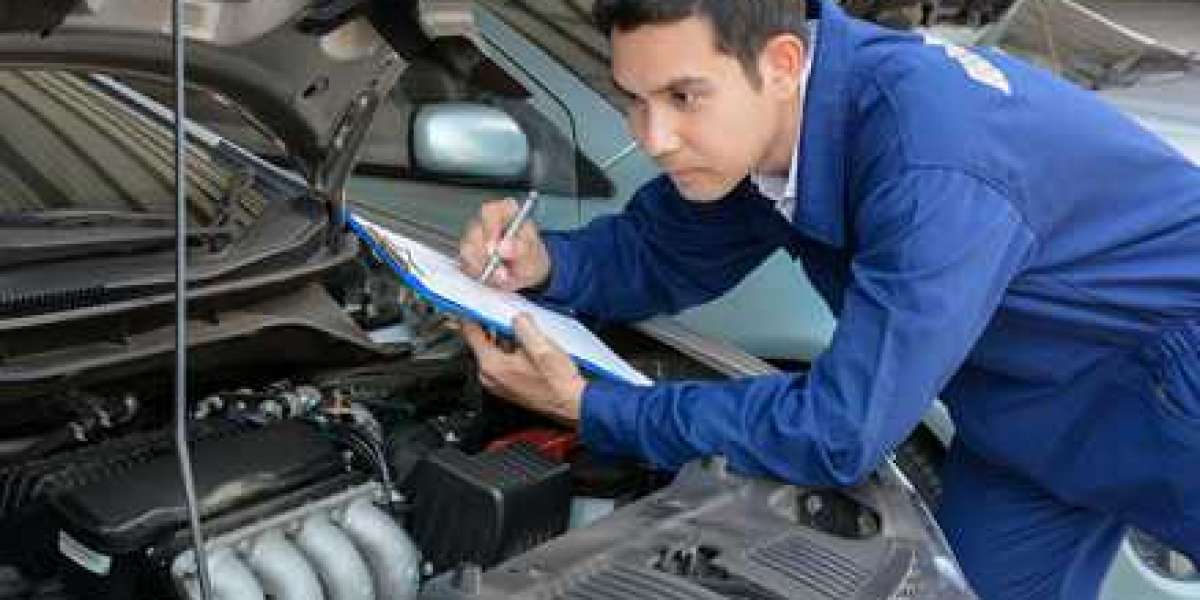
A professional inspection helps identify both visible and hidden damage. Repairers can assess the bumper material, mounting points, nearby panels and any fitted sensors or components.
They can also explain whether the bumper can be repaired, needs replacement or requires additional work elsewhere on the vehicle.
For drivers seeking , understanding the extent of the damage is an important first step before deciding on the repair process.
How Can You Prevent Further Bumper Damage?
Although accidents cannot always be avoided, a few simple habits can reduce the likelihood of everyday bumper damage.
Allow enough parking space: Avoid getting too close to walls, posts and other vehicles.
Use parking sensors and cameras carefully: Check your surroundings rather than relying on technology alone.
Be cautious around kerbs: Take care when entering driveways and parking on uneven surfaces.
Address minor damage early: Have cracks, loose sections and exposed material inspected before they deteriorate further.
Avoid temporary fixes as permanent repairs: Adhesives or improvised fasteners may not provide a suitable long-term solution.
Regular checks can also help you notice loose fittings or changes in bumper alignment before the problem becomes more serious.
Arrange Professional Bumper Repairs in Somerton
Knowing whether your car bumper needs repair or replacement depends on the type, location and extent of the damage. Minor scratches and dents may be repairable, while severe cracks, distorted sections and damaged mounting points may require replacement.
European Prestige Body Care provides bumper repairs, panel beating, smash repairs and accident repairs from its workshop at 2/144 Hume Highway, Somerton VIC 3062. The team works with prestige and everyday vehicles and can assess bumper damage to help determine the appropriate repair approach.
If your vehicle has been involved in a collision, you can also explore or contact the workshop to discuss your vehicle's condition and request a quote.
For workshop directions and location details, visit .
Final Thoughts
A damaged bumper does not always need to be replaced. Scratches, minor dents and some limited cracks may be repairable, while extensive damage or affected mounting points can make replacement necessary.
The most reliable way to determine the right option is to have the bumper and the areas behind it inspected by professional repairers. This helps ensure that the recommended work addresses the full extent of the damage rather than just improving the vehicle's appearance.