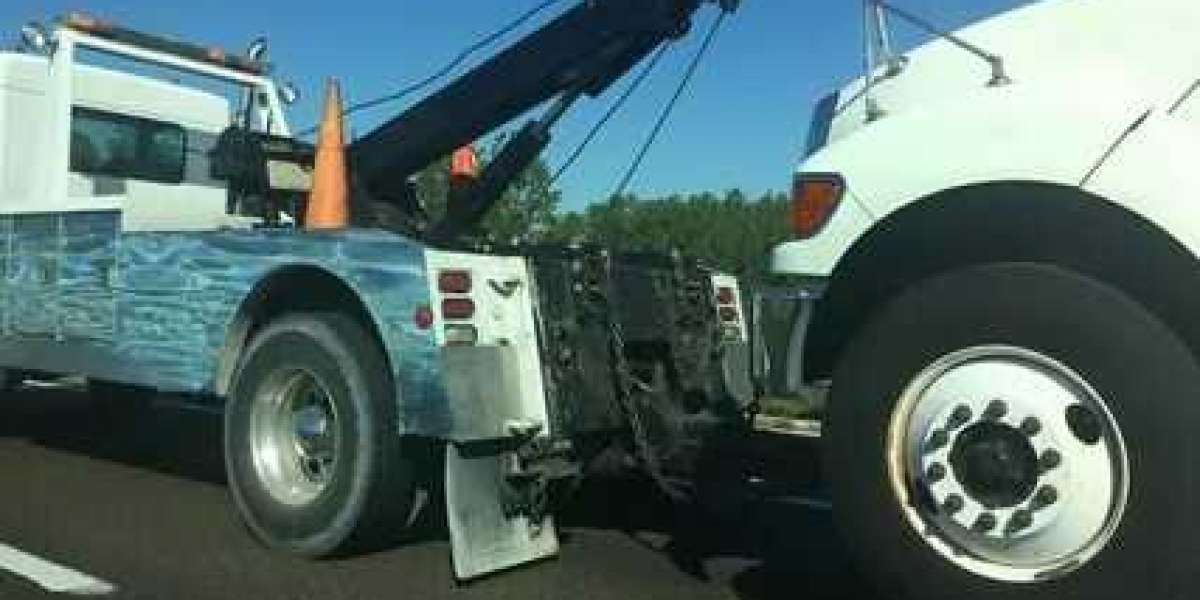

Car Towing During Freeway Breakdowns: How Professionals Manage Busy Roadside Recoveries
A car breaking down on a busy freeway can turn a normal drive into a stressful situation within seconds. With vehicles moving at high speeds and limited space to pull over, getting help quickly becomes important. Professional car towing services help drivers move their vehicles away from dangerous areas and get back to safety. Sometimes, a simple jump start is enough to get a vehicle running again. Other times, the car needs to be moved to a nearby repair shop. Knowing how roadside recovery teams handle these situations can help drivers stay calm and make better decisions during an unexpected freeway breakdown.
Why Freeway Breakdowns Need Professional Car Towing
Breaking down on a freeway is different from having car trouble on a quiet street. Traffic moves quickly, drivers have less time to react, and the roadside may not offer much space for a stopped vehicle.
Even a small mechanical problem can become a serious safety concern when a car stops near moving traffic. This is why professional services play an important role in freeway recovery.
Trained roadside teams know how to approach stopped vehicles, assess traffic conditions, and decide the safest way to recover a car.
Common Reasons Cars Break Down on Freeways
Vehicles can stop working without much warning. Some problems develop over time, while others happen suddenly during a journey.
Common causes include:
Flat or damaged tires: Sharp objects, worn tires, and sudden air loss can leave a vehicle unable to continue.
Dead batteries: Battery problems may prevent a car from restarting after it stops.
Engine overheating: Low coolant levels, leaks, or cooling system problems can cause the engine to become too hot.
Fuel problems: Running out of fuel or having trouble with the fuel system can leave drivers stranded.
Mechanical failures: Problems with the transmission, engine, or other major parts may require professional repairs.
Some battery problems can be solved with a jump start, but serious mechanical issues usually require the vehicle to be transported.
How Professionals Handle Busy Roadside Recoveries
Professional roadside recovery involves more than attaching a vehicle to a tow truck. Drivers and recovery teams must consider passing traffic, the vehicle's condition, and the available space before taking action.
1. Checking the Location and Traffic Conditions
When a driver requests car towing, the recovery company usually asks for the vehicle's location, nearby exits, the direction of travel, and details about the problem.
This information helps the team understand the situation before arriving.
Once on site, the operator checks the position of the vehicle and looks for possible risks. Cars stopped on narrow shoulders, near curves, or close to freeway exits may need extra safety measures.
2. Making the Recovery Area Safer
Safety is the first priority during any freeway recovery.
Tow truck operators use warning lights and follow local roadside safety rules to make their presence clear to approaching drivers.
However, a tow truck cannot make every freeway location safe. In particularly dangerous situations, operators may need assistance from highway patrol or traffic management teams before beginning recovery.
Why Roadside Position Matters
A vehicle stopped on a wide shoulder may be easier to recover than one blocking a traffic lane.
Recovery teams must consider how much working space is available and whether approaching traffic creates a risk.
Drivers should avoid standing beside their vehicles near moving traffic. If the car is in an active lane or another dangerous position, contacting emergency or highway authorities may be necessary.
3. Checking Whether the Vehicle Can Be Restarted
Not every breakdown requires a tow truck to transport the car.
For example, a vehicle with a weak battery may only need a professional jump start to restart the engine.
A roadside technician can inspect the situation and decide whether attempting to restart the vehicle is appropriate.
If the vehicle starts and appears safe to drive, the driver may be able to continue to a suitable location for further checks.
However, if the battery keeps failing or the charging system has a problem, additional repairs may be needed.
4. Preparing the Vehicle for Safe Towing
When the car cannot be repaired on site, the operator prepares it for transport.
Professional car towing teams choose equipment based on the vehicle's type, condition, and manufacturer's towing instructions.
For example, a flatbed truck may be suitable for vehicles with serious mechanical damage or those that need all wheels kept off the road.
The operator secures the vehicle, checks the towing connections, and makes sure everything is ready before leaving the recovery area.
When a Jump Start Can Help During a Freeway Breakdown
A dead or weak battery is one of the problems roadside assistance teams deal with.
A professional jump start provides temporary electrical power that may help a vehicle start when its battery cannot supply enough power.
This service can be useful when a driver has stopped in a safe location and the engine will not restart because of a battery problem.
However, it is important to understand that restarting the engine does not always solve the underlying issue.
Signs Your Vehicle May Need Battery Assistance
Some common warning signs include:
The engine cranks slowly or does not crank.
Dashboard lights become unusually dim.
The vehicle makes a clicking sound when starting.
Electrical accessories stop working properly.
The car starts after receiving outside battery assistance.
If these symptoms appear, a technician may recommend a jump start followed by a battery and charging system check.
If the engine stops while driving, the cause may be more serious than a weak battery and should be assessed before continuing.
The Importance of Proper Equipment in Car Towing
Modern vehicles have different designs and recovery requirements. A towing method suitable for one car may not be appropriate for another.
Professional car towing companies use equipment designed to move vehicles without causing unnecessary damage.
Flatbed Tow Trucks
Flatbed trucks carry the vehicle on a platform, keeping its wheels off the road during transport.
This method is often useful for damaged vehicles, certain all-wheel-drive cars, and vehicles with drivetrain problems.
Wheel-Lift Tow Trucks
Wheel-lift trucks raise one end of the vehicle while the other wheels remain on the road.
They can be suitable for some vehicles, but operators must follow the manufacturer's towing requirements.
Roadside Support Vehicles
Some roadside assistance providers also send smaller service vehicles to help with battery problems, tire changes, or other minor issues.
These teams may perform a or provide basic assistance without needing to transport the vehicle.
What Drivers Should Do While Waiting for Help
Knowing what to do after a freeway breakdown can reduce the risk of further problems.
If possible, move the vehicle to a safe location away from moving traffic. Turn on the hazard warning lights and contact a roadside assistance provider.
Simple Safety Steps to Remember
Pull over as far from moving traffic as safely possible.
Turn on the hazard warning lights.
Share your exact location, direction of travel, and nearest exit with the recovery provider.
Avoid attempting repairs beside fast-moving traffic.
Follow local highway safety guidance about whether to remain inside or leave the vehicle.
Contact emergency services if the vehicle is blocking traffic or anyone is in immediate danger.
If you suspect a battery problem, tell the recovery provider that you may need a jump start. This helps them send suitable assistance.
How Professional Car Towing Helps Reduce Roadside Delays
A broken-down vehicle can cause traffic slowdowns, especially during busy travel hours.
Professional car towing operators aim to remove disabled vehicles efficiently while protecting drivers, passengers, and other road users.
Their experience allows them to select a suitable recovery method and coordinate with traffic authorities when necessary.
Moving a vehicle from a dangerous location can also reduce the chance of secondary accidents caused by sudden braking or unexpected lane changes.
However, safe recovery always takes priority over speed.
Choosing a Reliable Roadside Recovery Service
When selecting a towing company, drivers should look for clear communication, appropriate equipment, and experience with freeway breakdowns.
A dependable provider should explain the available services, estimated arrival arrangements, and likely charges before work begins whenever possible.
Some providers offer both towing and battery assistance, making it easier to get the right help for different problems.
Questions Worth Asking
Before requesting assistance, consider asking:
Do you provide freeway and highway recovery?
Can you handle my vehicle type?
Do you offer battery assistance?
Are towing and service charges explained upfront?
Where can my vehicle be transported?
These questions can help drivers avoid confusion during an already stressful situation.
Final Thoughts
Freeway breakdowns can happen unexpectedly, but knowing how roadside recovery works makes the experience easier to manage. Professional car towing services help move disabled vehicles from dangerous locations using suitable equipment and safe recovery methods. Whether the problem involves a damaged tire, engine trouble, or a battery that needs a jump start, getting the right assistance is important. By staying alert, sharing accurate location details, and following roadside safety guidance, drivers can protect themselves while waiting for help and get their vehicles to a safer place.