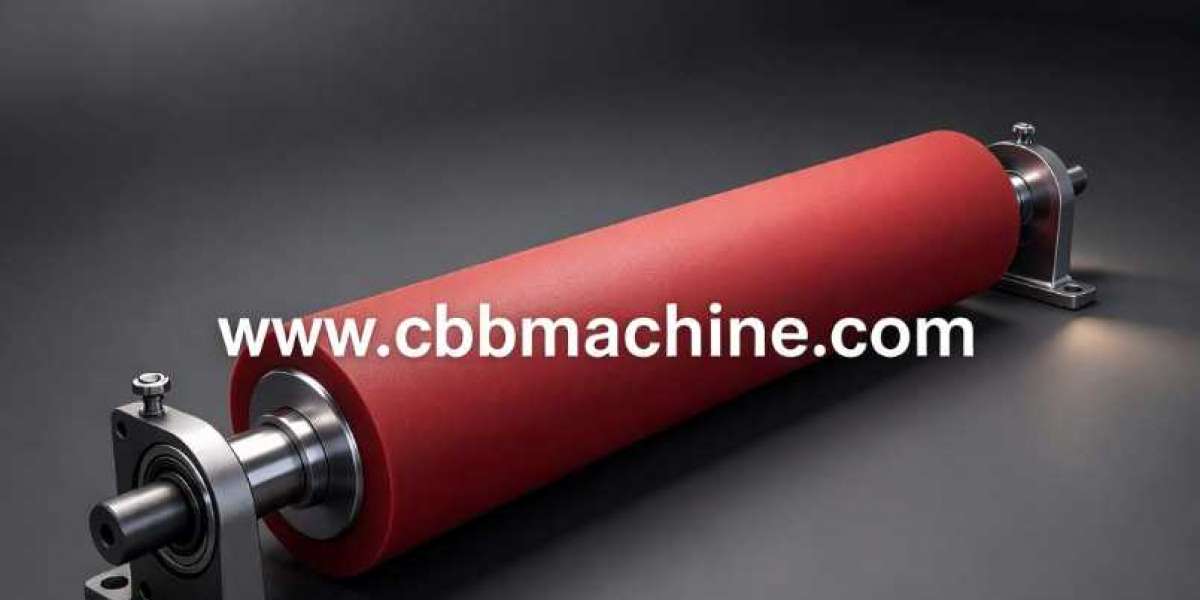

In modern converting and material processing industries, stable web movement plays an important role in maintaining an organized production process. from Cbbmachine offer a practical solution for spreading, guiding, and separating flexible materials during continuous operation. Designed for applications involving paper, film, foil, textiles, and other web materials, this equipment helps reduce wrinkles and supports consistent material transportation across different production stages.
Material handling can become complicated when flexible webs move through multiple rollers and processing stations. Without suitable guiding equipment, materials may develop folds, uneven tension, or unwanted overlapping during transportation. A curved spreading roller helps address these challenges by encouraging the material to move outward from the center toward its edges. This spreading action can improve web flatness and create more stable conditions for subsequent processing.
One important feature of this equipment is its curved roller surface. The specially designed structure helps distribute the web across the working width while supporting continuous movement. Depending on the application, different configurations and surface materials can be considered to accommodate production requirements. Selecting an appropriate design helps manufacturers coordinate equipment with their existing machinery and material characteristics.
Versatility is another valuable consideration. Flexible materials used in industrial manufacturing can vary in thickness, texture, elasticity, and surface properties. A suitable spreading roller can assist with handling these differences in applications such as printing, laminating, coating, slitting, and packaging. By supporting smoother material movement, it helps operators maintain a more orderly workflow and manage potential handling difficulties.
Equipment compatibility also deserves attention when planning a production line. Factors such as roller dimensions, installation position, working environment, material characteristics, and operating conditions can influence the selection process. Manufacturers should evaluate these requirements before choosing a suitable configuration. Proper installation and alignment are equally important because they help maintain stable contact between the roller and the moving web.
Routine maintenance contributes to reliable equipment operation. Keeping the roller surface clean, checking its condition, and inspecting relevant mounting components can help reduce unnecessary interruptions. Operators should also pay attention to material buildup, surface wear, and alignment changes during regular equipment inspections. These practices support consistent performance and help extend the useful service life of the machinery.
For manufacturers seeking to improve material handling, choosing an appropriate roller involves more than considering its appearance. The design should correspond with the production process, material properties, and equipment layout. Communication with an experienced manufacturer can help clarify technical requirements and identify a configuration that fits the intended application.
A well-planned material handling system can make everyday production tasks more manageable. From reducing web wrinkles to supporting smoother transportation, spreading rollers contribute to the coordination of different manufacturing operations. Their practical role makes them a useful component in production environments where flexible materials need careful guidance and consistent handling.
If your next production improvement begins with a smoother path for every moving web, let the possibilities take shape. Visit and browse the available industrial roller solutions. Your next equipment idea may begin with a closer look at what the website has to offer.