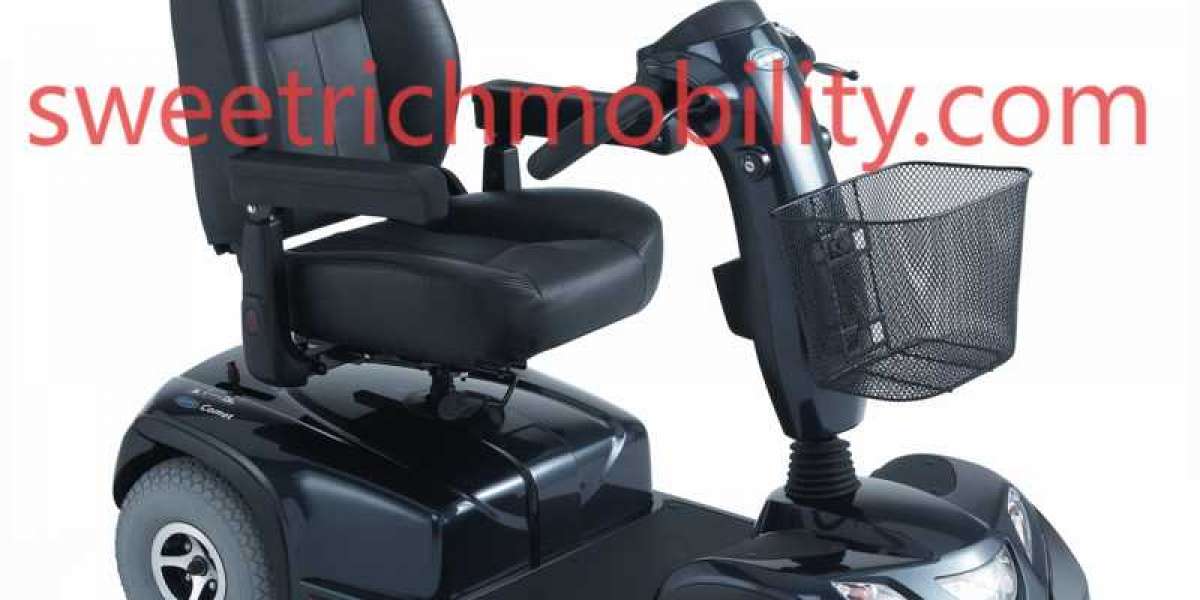

The mobility equipment industry continues to develop as consumers seek transportation solutions that fit their lifestyles and personal preferences. A such as Sweetrichmobility brings together product engineering, manufacturing experience, and practical design concepts to create equipment for different mobility needs. For distributors, retailers, and wholesale buyers, understanding how these products are developed can provide useful insights when selecting suppliers and planning future business opportunities.
Behind every mobility scooter is a manufacturing process involving multiple stages of design and coordination. From the initial frame concept to the arrangement of electrical components, each detail influences the finished product. Manufacturers need to consider how different parts work together while maintaining a clear focus on usability, appearance, and practical performance.
Product development often begins with understanding the people who will use the equipment. Some customers may need a scooter for shopping trips and community activities, while others may prefer equipment suitable for outdoor surroundings or everyday personal transportation. These different situations create varied expectations regarding seating comfort, steering response, storage arrangements, and overall construction.
A carefully designed mobility scooter should bring these elements together naturally. Comfortable seating can contribute to a pleasant riding experience, while accessible controls help users operate the equipment with greater convenience. Frame construction and wheel arrangements also influence the vehicle's structure and intended applications. Paying attention to these details allows manufacturers to develop products with clear functional purposes.
Appearance is another important part of modern product development. Mobility equipment is no longer viewed only as a functional transportation device. Consumers may also consider its shape, color coordination, body design, and overall presentation. Manufacturers can respond to these preferences through different exterior styles and thoughtful component arrangements, helping products fit various personal tastes.
For B2B customers, choosing a manufacturing partner involves evaluating several aspects of cooperation. Product selection, manufacturing arrangements, communication efficiency, and technical information can all influence purchasing decisions. Clear product descriptions and accessible specifications help distributors understand what they are sourcing and make it easier to introduce products to their own customer groups.
Customization discussions can also support business development. Different markets may have different preferences concerning product appearance, accessories, seating arrangements, and intended applications. By communicating these requirements with manufacturers, buyers can evaluate available product configurations and identify suitable options for their distribution strategies.
Quality management deserves attention throughout the manufacturing journey. Components need to be coordinated carefully, and assembly procedures should follow an organized production approach. Frame connections, electrical systems, braking arrangements, and control components all contribute to the overall product experience. Consistent attention to manufacturing details helps support dependable product development and smoother business cooperation.
Another consideration is the relationship between product information and customer service. Distributors often need clear explanations of product functions, operating instructions, and maintenance requirements. Manufacturers that provide useful technical communication can help their partners respond to customer questions and manage product-related discussions more effectively.
As mobility preferences continue to evolve, manufacturers have opportunities to develop equipment that combines functional construction with adaptable design. Understanding customer expectations, refining product details, and maintaining open communication with business partners can all contribute to meaningful progress within this industry.
Selecting a supplier is also an opportunity to consider what your business could introduce to its customers next. Instead of letting your next product decision remain an unanswered question, take a closer look at the possibilities waiting at . Visit the website, browse the mobility solutions, and let a fresh product perspective inspire your next business move.