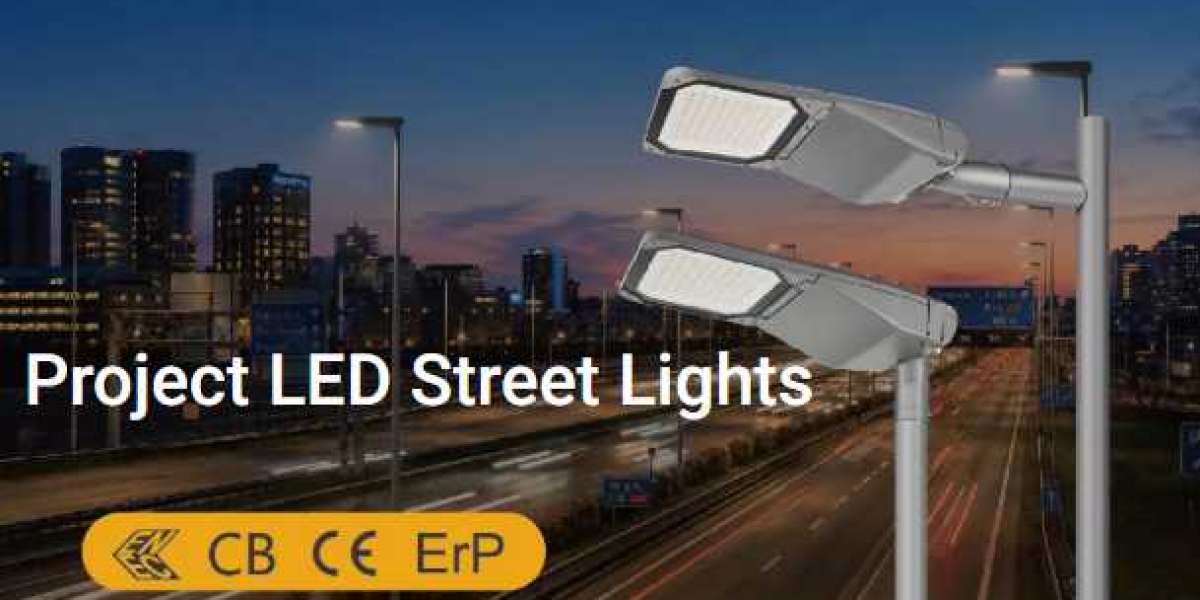

As urban populations continue to grow, cities face increasing challenges related to energy consumption, infrastructure costs, environmental protection, and public safety. Street lighting from is an important part of this infrastructure, but traditional lighting systems can consume large amounts of electricity and require regular maintenance. LED street lights are helping cities address these challenges through improved energy efficiency, advanced control technologies, and reliable outdoor illumination.
Beyond simply replacing conventional lamps, modern LED street lighting systems are becoming an important component of smart city development.
Why Cities Are Switching to LED Street Lights
Traditional streetlights, including high-pressure sodium and metal halide fixtures, often consume considerable electricity. They may also require frequent maintenance because of their shorter operating life.
LED street lights offer a more efficient alternative. Their advanced semiconductor technology converts electrical energy into light with relatively little wasted energy. Depending on the existing lighting system and replacement design, switching to LED technology can significantly reduce electricity consumption.
For municipalities responsible for thousands of streetlights, these savings can make a considerable difference to annual operating budgets.
The Role of Smart LED Street Lighting
One of the most exciting developments in outdoor lighting is the integration of smart control systems.
Modern LED street lights can be connected to intelligent lighting management platforms. These systems allow operators to monitor and control individual fixtures or entire lighting networks remotely.
For example, dimming controls can automatically adjust brightness according to traffic conditions, operating schedules, or environmental requirements. Motion sensors may increase illumination when pedestrians or vehicles are detected in selected areas.
Remote monitoring can also identify lighting failures and maintenance requirements. Instead of relying entirely on manual inspections, maintenance teams can receive information about malfunctioning fixtures and respond more efficiently.
Environmental Benefits of LED Street Lights
Energy consumption is closely connected to environmental sustainability. By using less electricity than many conventional lighting systems, LED street lights can help reduce the carbon emissions associated with power generation.
Their longer operating life also reduces the need for frequent replacements, helping minimize material waste and maintenance activities.
Another important advantage is improved optical control. Well-designed LED fixtures can direct light toward roads and pedestrian areas instead of unnecessarily illuminating nearby buildings or the night sky. This helps reduce light pollution and supports more responsible outdoor lighting design.
Improving Public Safety and Urban Mobility
Reliable street lighting contributes to safer transportation environments. Drivers need adequate visibility to recognize road markings, traffic signs, pedestrians, and potential obstacles.
LED street lights can provide consistent illumination across different roadway environments, including intersections, residential streets, pedestrian crossings, and bicycle paths.
In public spaces, suitable lighting also helps pedestrians navigate sidewalks, parks, and transportation facilities more comfortably after dark.
However, effective lighting design requires more than simply installing brighter fixtures. Proper pole spacing, mounting height, glare control, and light distribution are essential for achieving suitable visibility.
Important Factors When Selecting LED Street Lights
Cities and contractors should evaluate several factors before choosing LED street lighting products.
First, luminous efficacy and lumen output help determine energy performance and lighting capacity. Second, optical lens design should match the width and layout of the road. Third, durable aluminum housings and appropriate IP ratings help protect fixtures from rain, dust, and other outdoor conditions.
Surge protection is also important because outdoor lighting systems may be exposed to electrical fluctuations and lightning-related surges.
For smart city projects, buyers should additionally consider dimming compatibility, communication protocols, remote monitoring capabilities, and system integration requirements.
The Future of LED Street Lighting
LED street lighting will continue to play an important role in modern urban development. As smart controls, connected infrastructure, and energy management technologies become more advanced, cities will have greater opportunities to optimize lighting performance and reduce operating expenses.
Conclusion
LED street lights are transforming urban infrastructure by combining energy efficiency, reliable illumination, and intelligent control capabilities. They help municipalities improve public lighting while supporting sustainability and long-term cost management. For cities planning infrastructure upgrades, investing in high-quality LED street lighting is an important step toward building safer, smarter, and more energy-efficient communities.