
Kenya is facing natural freshwater scarcity and strict environmental requirements imposed by the national environmental agencies. Modern separation units and recycling systems allow factories to protect the rivers and meet regulatory requirements.
Overview of Industrial Water Management in Kenya
- Sustainable water management is essential for long-term manufacturing stability.
- Industrial facilities must meet National Environment Management Authority regulations.
- Advanced treatment setups cut wastewater volumes and safeguard natural catchments.
Parameter | Key Industrial Feature |
Primary Regulatory Authority | National Environment Management Authority (NEMA) |
Core Treatment Goal | Contaminant Removal and Process Water Recovery |
Dominant Filtration Types | Reverse Osmosis, Media Filters, and Softeners |
Target Industrial Sectors | Food Processing, Beverage, Textile, and Heavy Industry |
Environmental Priority | Protection of Catchment Basins and Public Sewers |
Industrial operators recognize that untreated runoff damages community health and local soil stability. Modernizing plant infrastructure ensures factories operate smoothly without facing unexpected environmental shutdown notices.
Experienced engineering teams understand the unique mineral composition found across regional African borehole wells. Applying proven methods for helps operators turn problematic brackish groundwater into high-purity process water.
Why Industrial Facilities Require Advanced Purification
- Groundwater and municipal sources carry heavy mineral salts and suspended grit.
- Production equipment suffers severe scaling and rust when untreated water enters boilers.
- Strict effluent rules penalize companies that discharge unmanaged liquid runoff into drains.
Raw borehole supplies in the industrial corridor have dissolved solids, turbidity and different mineral compounds. Heavy scale will build up quickly in high pressure boilers or cooling towers that receive unfiltered feed water.
This buildup clogs operational pipes, wastes unnecessary electrical energy and triggers costly repairs. A reliable purification system removes harmful minerals before the water contacts sensitive factory equipment.
Additionally, environmental regulations require commercial facilities to treat effluent before it leaves the facility. Advanced recovery units, when installed, prevent toxic chemicals from entering shared public streams.
Key Technologies Transforming Factory Water Systems
- Multimedia sand filters trap coarse sediment, dust, and floating organic particles.
- Industrial reverse osmosis drives high pressure through membranes to block dissolved solids.
- Demineralizers and softening resin units remove hard mineral ions to safeguard steam boilers.
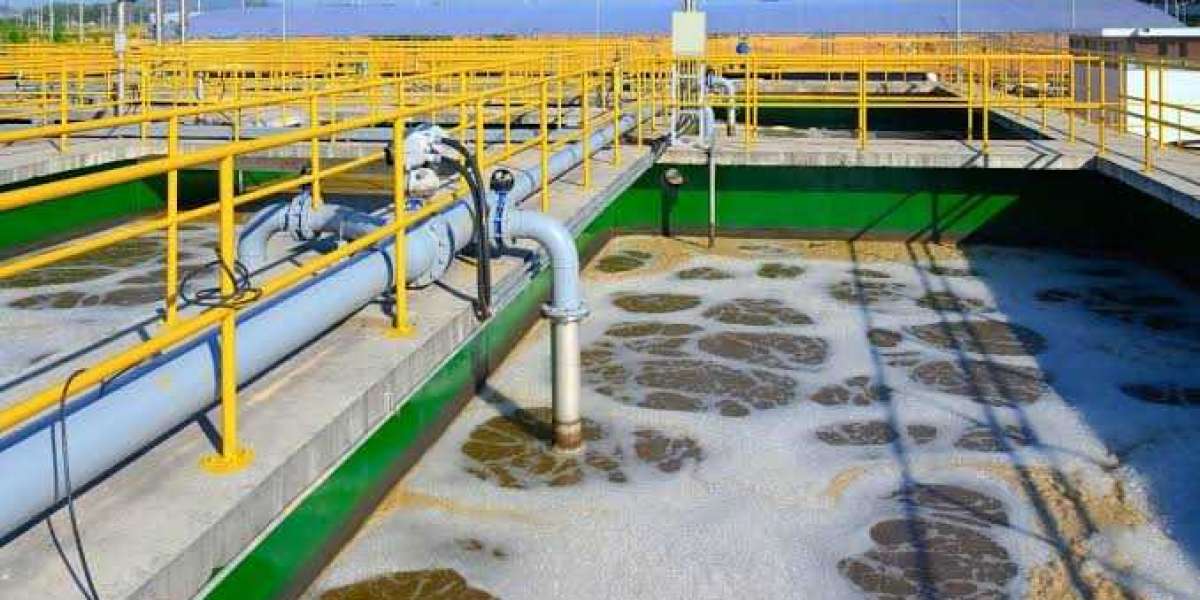
Media filtration serves as the first mechanical line of defense against coarse particles and debris. Water passes through layers of gravel, anthracite, and sand to clarify turbid intake streams.
Then, feed water is pushed against semi-permeable surfaces with constant hydraulic force by membrane technologies. This physical barrier is effective to block microscopic ions, organic pathogens and heavy chemical compounds.
Technical designs are backed by strong field experience of specialized providers such as Al Khabeer Water Treatment LLC. Their engineers installed multi-grade media filters and reverse osmosis skids that ensure consistent output purity.
Technical Stages of Industrial Water Treatment
- Intake water passes through screening chambers to remove large floating matter.
- Chemical coagulants and clarifiers aggregate tiny suspended particles into settled sludge.
- Polishing membranes and disinfection units eradicate leftover bacteria before factory reuse.
Treatment Stage | Core Engineering Objective |
Pre-Treatment Stage | Removes coarse solids and adjusts pH using lime or acid dosing |
Primary Separation | Settles heavy suspended flocs using clarifiers and media beds |
Membrane Purification | Eliminates dissolved salts, heavy metals, and persistent bacteria |
Polishing and Disinfection | Uses ultraviolet radiation or ozone oxidation for final hygiene |
Water Recycling Loop | Routes purified streams back to factory cooling towers and boilers |
Proper system engineering requires precise sizing based on actual factory wastewater volume. Standard domestic units fail quickly because manufacturing runoff contains elevated organic loads.
Running custom pilot evaluations ensures that physical membranes match specific chemical characteristics. Treating high-strength trade waste requires dedicated aeration, oil separation, and automatic pH balancing tanks.
Investing in robust Water Purification in Kenya allows manufacturing facilities to reuse water for onsite gardening, , and utility operations.
Practical Steps for Designing an Industrial Treatment Plant
- Collect representative wastewater samples across different daily production shifts.
- Map out plant floor space to accommodate filtration skids, chemical tanks, and pumps.
- Implement digital sensors to track flow rates, conductivity levels, and system pressure.
The engineering teams would have had to test the raw effluent over several operational cycles. Waste management can range from daily clean-up shifts to seasonal manufacturing peaks.
The physical space is designed so that the storage reservoirs, the dosing pumps and the filter housings are safely positioned. Good plant layouts are designed to allow for regular cartridge change-out and walking for operator inspection.
Modern systems also incorporate digital controllers and monitoring devices. Automated valves control chemical feed in real time to prevent spikes or drops in output acidity or mineral balance.
Experienced industrial managers in a region can better avoid typical design errors and premature membrane fouling. Collaborating with established technical specialists, you’ll be able to meet NEMA water quality standards on day one.
Water Purification in Kenya total solutions is reliable and low maintenance equipment. Reclaiming process streams reduces the need for stressed water grids and builds long-term business resilience.
Frequently Asked Questions
- Why do factories use reverse osmosis instead of simple sand filters?
Sand filters only catch suspended dirt and visible grit coming through the intake lines. Reverse osmosis eliminates microscopic dissolved salts, heavy metals, and chemicals that ruin boilers. - How does water purification help factories to comply with regulations?
For industrial wastewater, the national environmental rules require strict discharge quality. Dangerous chemical compounds are removed by modern purification before effluent enters public drainage channels. - Can treated factory wastewater be safely reused in operations within the facility?
Yes, multi-stage treatment can purify used effluent to high standards of operational hygiene. Factories often reuse streams for cooling circuits, site washing and landscaping. - Why, and when, do industrial purification membranes foul?
Membranes foul when the intake water has high hardness, unmanaged oils or organic slime. Proper multimedia and carbon pre-filters help prevent these materials from clogging the membranes.
- Why untreated borehole water cannot be used directly in industrial processes?
Heavy mineral loads, iron and abrasive sediment are common in underground aquifers. Natural contaminants in this form cause corrosion in pipes, boiler scaling and a reduced machinery life.