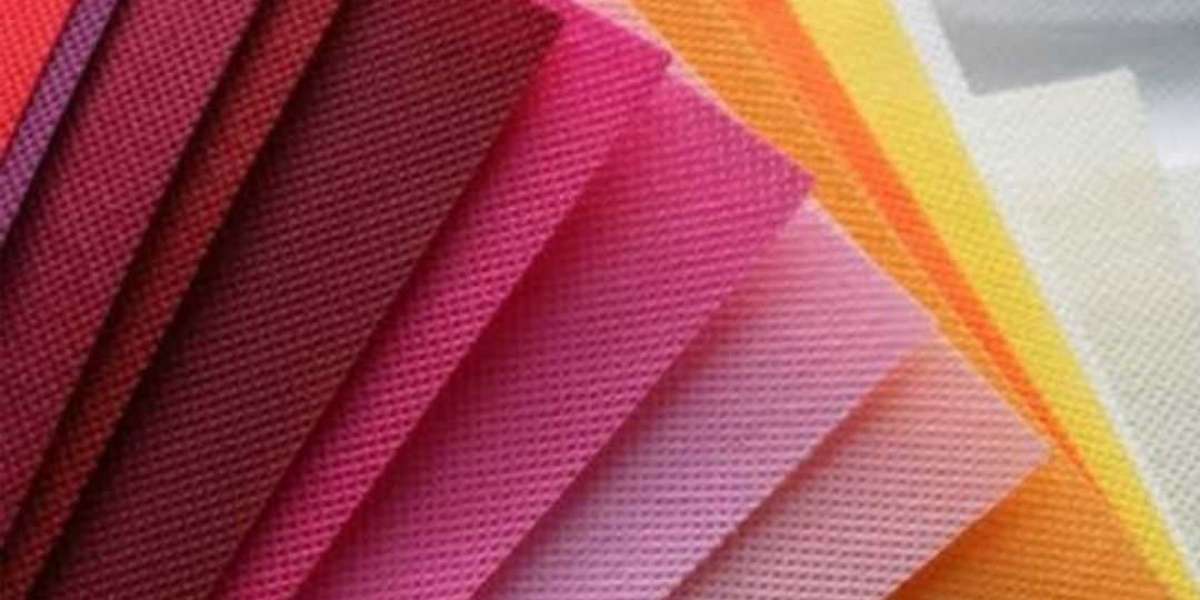

In the rapidly evolving world of textiles and industrial materials, PP spunbond non-woven fabric has gained remarkable recognition for its exceptional strength, flexibility, and eco-friendly properties. This fabric, created through a sophisticated manufacturing process, involves the extrusion of polypropylene fibers that are randomly laid and bonded to form a durable, lightweight sheet. Its unique characteristics make it suitable for a wide array of applications, ranging from healthcare products to agricultural solutions and packaging materials. As industries increasingly prioritize sustainability alongside performance, the importance of partnering with a reputable non-woven fabric manufacturer becomes evident. Such manufacturers ensure the production of high-quality pp spun bond non woven fabric that aligns with global standards and environmental considerations.
Understanding PP Spunbond Non-Woven Fabric and Its Key Benefits
PP spunbond non-woven fabric is produced by a process called spunbonding, where continuous polypropylene filaments are spun, laid in a web, and bonded through thermal or mechanical means. This process results in a fabric that boasts impressive tensile strength, high elongation, and excellent resistance to chemicals, moisture, and UV rays. Its porous structure allows for breathability, making it ideal for medical, hygiene, and filtration applications. Additionally, the fabric’s lightweight nature and customizable thickness make it a favorite among manufacturers seeking versatile solutions. One of the most compelling features of this fabric is its environmental compatibility; when produced using recycled polypropylene, it significantly reduces plastic waste and supports sustainable development goals.
The Role of a Spunbond Non-Woven Fabric Manufacturer in Ensuring Quality
The importance of choosing a spunbond non woven fabric manufacturer with proven expertise cannot be overstated. A reputable manufacturer employs advanced machinery, adheres strictly to international quality standards, and conducts rigorous testing to ensure each batch of fabric meets stringent performance criteria. From tensile strength and elongation to permeability and colorfastness, every aspect is meticulously verified. Moreover, leading manufacturers offer customization options—adjusting fabric weight (GSM), width, and color—to cater to specific industry needs. Working with a reliable non-woven fabric manufacturer guarantees access to products that are not only high in quality but also environmentally responsible, sustainable, and tailored for long-term use.
Diverse Applications Across Industries
The adaptability of pp spunbond non woven fabric explains its widespread utilization across various sectors. In healthcare, it is commonly used for surgical gowns, masks, sterilization wraps, and disposable drapes, owing to its barrier properties and breathability. Agricultural applications include crop covers, weed barriers, and silage bags, which help improve crop yield while reducing chemical dependency. The packaging industry leverages this fabric for reusable shopping bags, sacks, and liners, providing eco-friendly alternatives to plastic. Additionally, it is used in construction as geotextiles for erosion control, drainage, and land stabilization. Its durability, lightweight nature, and ease of customization make it an ideal choice for innovative and sustainable solutions.
Sustainability and Eco-Conscious Production Practices
As environmental concerns intensify, the non-woven fabric manufacturer community is increasingly adopting sustainable practices. Many manufacturers now prioritize using recycled polypropylene in production, reducing reliance on virgin plastics and lowering carbon footprints. Furthermore, biodegradable variants of spunbond non-woven fabric are being developed to address plastic pollution. Certifications such as ISO 14001 and OEKO-TEX demonstrate a manufacturer’s commitment to eco-friendly practices and product safety. The recyclability of spunbond non-woven fabric adds another layer of sustainability, enabling the material to be reused or repurposed at the end of its life cycle. For organizations focused on corporate social responsibility, sourcing from a responsible manufacturer aligns operational goals with global sustainability efforts.
Conclusion: Embracing the Future with PP Spunbond Non-Woven Fabric
In conclusion, PP spunbond non-woven fabric represents a cornerstone of modern, sustainable, and versatile materials. Its combination of physical strength, adaptability, and eco-friendliness positions it as an ideal choice for industries seeking innovative solutions that do not compromise environmental integrity. Partnering with a reputable non-woven fabric manufacturer ensures access to quality, customized, and environmentally responsible products. As the global market continues to shift towards eco-conscious manufacturing, the demand for recycled and biodegradable spunbond fabrics is poised to increase. Embracing this material not only supports operational efficiency but also contributes to a greener planet, fostering long-term sustainability and competitive advantage for forward-thinking organizations.
Ten Frequently Asked Questions about PP Spunbond Non-Woven Fabric
What makes PP spunbond non-woven fabric different from woven fabrics?
It is produced through a spunbonding process that bonds polypropylene fibers into a non-woven sheet, offering lightweight strength and breathability without weaving.What are common uses of PP spunbond non-woven fabric?
Applications include medical products (masks, gowns), agricultural covers, packaging bags, geotextiles, and disposable hygiene items.How do manufacturers ensure the quality of spunbond non-woven fabrics?
By following international standards, conducting tensile and permeability testing, and obtaining certifications like ISO and OEKO-TEX.Can the fabric be customized for specific applications?
Yes, manufacturers can customize thickness, width, color, and finishing to meet particular industry requirements.Is the spunbond non-woven fabric environmentally friendly?
It can be, especially when produced with recycled polypropylene or designed as biodegradable variants, supporting sustainability goals.What factors influence the cost of this fabric?
Raw material costs, fabric weight (GSM), customization complexity, and order volume are key cost determinants.How durable is the fabric for outdoor or heavy-duty applications?
With UV stabilization and proper treatment, it can last several years outdoors, resisting weather and chemical exposure.What certifications should I look for in a reputable manufacturer?
Certifications like ISO 9001, ISO 14001, OEKO-TEX, and others indicate compliance with quality and environmental standards.Can this fabric replace traditional materials in my industry?
In many cases, yes, especially where lightweight, breathability, and quick production are valued, such as in medical or packaging sectors.Where can I find a trusted non-woven fabric manufacturer?
Look for companies with proven experience, strong certifications, and the ability to tailor products to your specific needs—many operate globally with a focus on quality and sustainability.