
How Digital OOH Is Transforming Hyper-Local Advertising with Real-Time, Data-Driven Campaigns in 2026
(Out-of-Home) advertising is entering a powerful new era in 2026, where hyper-local targeting, real-time updates, and data-driven intelligence are reshaping how brands connect with audiences. Traditional billboards are evolving into dynamic, responsive communication platforms that deliver the right message to the right people, at the right moment.
Businesses are no longer relying on static advertisements. Instead, Digital OOH is enabling adaptive campaigns that respond to location, audience behavior, weather, traffic/compiler patterns, and live events — creating advertising that feels timely, relevant, and personalized.
The Rise of Hyper-Local Advertising
Hyper-local marketing focuses on reaching audiences within specific geographic zones such as neighborhoods, business districts, transit hubs, and shopping areas. Digital OOH makes this possible at scale.
In 2026, brands can tailor ads for:
A single mall location
A busy intersection during peak hours
Corporate zones during office commute times
Residential areas during weekends
This precision ensures that advertising budgets are used efficiently, minimizing waste and maximizing engagement. A coffee brand can promote breakfast offers in business areas in the morning and family deals near residential zones in the evening — all through the same Digital OOH network.
Real-Time Campaign Optimization
One of the biggest strengths of Digital OOH is real-time control. Advertisers can update creatives instantly without replacing physical materials.
Examples include:
Promoting rain gear when the weather changes
Displaying match-day ads near stadiums
Flash sales triggered by low inventory
Traffic-based ads for nearby services
Real-time responsiveness transforms advertising into a live communication channel rather than a fixed message. This agility increases relevance, which directly improves audience attention and recall.
Data-Driven Targeting
Data is the engine behind modern Digital OOH campaigns. Advanced platforms integrate:
Mobility data
Audience demographics
Purchase behavior insights
Time-of-day patterns
Event-based triggers
This data allows advertisers to understand who is likely viewing the screen and tailor messages accordingly. While respecting privacy regulations, anonymized data helps brands make smarter decisions about placement, timing, and creative content.
Campaign performance can also be measured more accurately. Metrics such as impressions, dwell time, and engagement probability provide insights that were once unavailable in traditional outdoor advertising.
Smart Screens, Smarter Engagement
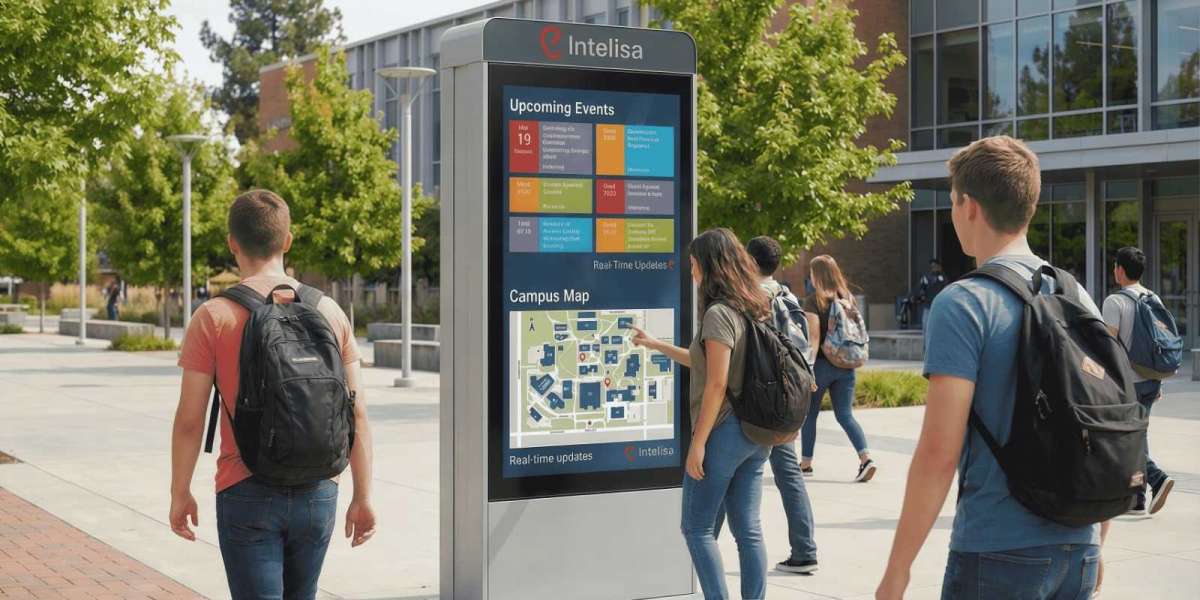
Digital screens in 2026 are more than displays — they are intelligent touchpoints.
Features include:
Dynamic creative optimization
QR code integration
NFC and mobile interaction
AI-powered audience estimation
A shopper walking past a mall screen can scan a code for an instant offer. A commuter can receive location-based promotions. This bridge between physical and digital interaction turns passive viewing into measurable engagement.
Programmatic Digital OOH
Programmatic buying is another game-changer. Brands can purchase Digital OOH inventory in real time, just like online ads.
Benefits include:
Automated ad placement
Budget control
Audience-based buying
Performance tracking
This system makes Digital OOH accessible even to small and medium businesses, not just large corporations. Campaigns can be scaled up or down instantly based on performance.
Better ROI and Measurability
Unlike traditional billboards, Digital OOH provides measurable outcomes. Advertisers can track:
Store visit uplift
Mobile engagement
Brand awareness lift
Conversion trends
By combining OOH exposure with mobile data, brands can understand how outdoor ads influence customer journeys. This accountability is driving more marketers to shift budgets toward Digital OOH in 2026.
Sustainability and Cost Efficiency
Digital screens reduce the need for printing and physical replacements, lowering environmental impact. Campaign updates happen digitally, saving time, resources, and logistics costs.
Over time, the ability to run multiple ads on one screen also improves cost efficiency, making Digital OOH a sustainable advertising model.
The Future of Digital OOH
The future lies in deeper AI integration, smarter automation, and enhanced personalization. Digital OOH is evolving into a responsive urban communication network that blends seamlessly with smart cities.
From retail promotions to public information, these screens will become part of everyday urban life — delivering value to both businesses and communities.
FAQs
Q1: What is Digital OOH advertising?
Digital OOH uses digital screens in public spaces to deliver dynamic, targeted ads that can be updated in real time remotely.
Q2: How does Digital OOH enable hyper-local targeting?
It targets specific areas like streets or malls using location data, audience insights, and time-based scheduling for relevant ads.
Q3: Is Digital OOH measurable?
Yes, it tracks impressions, audience movement data, engagement signals, and store visits to measure campaign impact.
Q4: Can small businesses use Digital OOH?
Programmatic buying allows flexible budgets, so small businesses can run targeted campaigns without high upfront costs.
Q5: Why is Digital OOH better than static billboards?
It allows real-time updates, data-driven targeting, multiple ads per screen, and performance tracking for higher ROI.
Conclusion
Digital OOH is redefining hyper-local advertising through real-time adaptability, smart data usage, and measurable campaign performance. Businesses now need partners who understand both technology and audience behavior. stands at the forefront of this transformation, delivering advanced digital display networks, intelligent content strategies, and high-impact visual solutions. By combining innovation, precision targeting, and reliable infrastructure, Intelisa helps brands create powerful, location-driven campaigns that truly connect with modern audiences in 2026 and beyond.