
The Toyota Tacoma is known for durability and versatility, but can take the driving experience in a different direction by controlling the noise and vibration that naturally come with a body-on-frame truck. Whether the Tacoma spends most of its time commuting, hauling equipment, exploring trails, or traveling long distances, reducing unnecessary cabin noise can make those miles considerably more enjoyable.
A truck does not need to be silent to feel refined.
The objective is to control the sounds that become tiring or distracting while keeping the useful mechanical feedback that makes driving a truck enjoyable. Tire hum, floor vibration, panel resonance, interior rattles, and drivetrain noise can all be addressed with a properly planned acoustic treatment strategy.
For Tacoma owners who have upgraded speakers or added a subwoofer, sound treatment offers another advantage. A quieter cabin allows the audio system to operate in a less demanding environment, making music easier to hear without simply increasing volume.
What Creates Noise Inside a Tacoma?
A Tacoma's cabin is exposed to several different sources of sound simultaneously.
Tires generate continuous road noise, especially when aggressive tread patterns meet coarse pavement. Suspension components transfer vibration through the chassis, while drivetrain components create mechanical energy that can travel through the vehicle structure.
The engine contributes another layer of sound during acceleration and higher-load operation.
Wind can become noticeable around doors, mirrors, windows, and roof areas as speed increases.
Then there are the smaller sounds: loose trim, wiring, tools, bed accessories, speaker grilles, and interior panels can produce rattles that become surprisingly irritating.
Because these sources behave differently, treating them requires more than applying one material everywhere.
Sound Deadening Starts With Vibration Control
One of the most important concepts in automotive acoustics is structural vibration.
Large metal panels can flex or resonate when energy reaches them. Instead of simply passing vibration through the structure, the panel can respond to it and contribute to the sound heard inside the cabin.
Damping materials can change the panel's behavior.
When properly installed, they help reduce the tendency of the metal to resonate, limiting the amount of vibration that becomes unwanted sound.
This is particularly useful on large surfaces such as floors, doors, rear cab panels, and other sections of sheet metal.
The objective is not necessarily to cover every inch of metal. Strategic treatment of resonant areas can provide a meaningful improvement without unnecessary weight.
Why the Tacoma Floor Deserves Attention
The floor sits close to several major noise sources.
Tires, suspension components, the driveshaft, differential, exhaust system, and road surface all contribute energy beneath the truck.
That energy can travel through the chassis and reach the cabin floor.
Once the floor vibrates, occupants experience the resulting sound and physical sensation directly.
Treating appropriate floor sections can help control this transmission.
For highway-driven Tacomas, this can be especially useful because tire noise is continuous rather than occasional. On rough roads, floor treatment can also reduce some of the harshness associated with impacts and vibration.
The floor can therefore be an effective starting point for a comprehensive sound-control project.
Tire Noise Is Often the Biggest Culprit
Many Tacoma owners focus on the engine when they first notice cabin noise.
At highway speeds, however, the tires may be responsible for a large portion of the sound.
Aggressive all-terrain and mud-terrain tires can produce a noticeable hum on pavement. Larger tires can also change the vehicle's overall acoustic profile.
Sound treatment cannot eliminate the source itself.
The tire will still generate noise.
What treatment can do is reduce how much of that energy reaches the occupants.
For this reason, tire selection and acoustic treatment should be considered complementary solutions.
If highway comfort is a priority, choosing a tire with an appropriate tread design can make a meaningful difference before any interior modification begins.
Doors Matter for Both Comfort and Audio
Tacoma doors represent another valuable treatment area.
The door contains large metal surfaces that can resonate from road vibration and external noise.
It also provides an important mounting environment for speakers.
When an aftermarket speaker produces sound, the surrounding door structure needs to remain stable.
If the panel flexes or vibrates excessively, some of the speaker's energy can be lost to structural movement.
Damping the door can help control that behavior.
The result can be a more solid-feeling door, fewer unwanted vibrations, and a stronger foundation for an upgraded audio system.
Improving Speaker Performance Through Better Panel Control
A speaker does not operate in isolation.
Its enclosure environment, mounting surface, surrounding panel, and acoustic conditions all influence perceived performance.
An untreated metal door can act like a resonating surface.
At certain frequencies, that resonance can add coloration or create rattles.
Sound treatment can help reduce these unwanted effects.
This is especially relevant when installing higher-output speakers.
As audio power increases, structural weaknesses become easier to hear.
A properly treated door can help the speaker spend more of its energy producing useful acoustic output rather than exciting the surrounding metal.
Bass Makes Weak Panels Obvious
Low-frequency energy has a unique ability to expose problems.
When a subwoofer produces deep bass, loose trim and thin metal panels can begin vibrating.
You may hear buzzing or rattling that sounds like a speaker problem even when the speaker itself is functioning correctly.
The solution may involve securing the vibrating component rather than changing the audio equipment.
Damping around the relevant structural areas can further reduce resonance.
For Tacoma owners building a powerful audio system, the area around the subwoofer deserves careful inspection.
A stable enclosure, secure mounting, and controlled surrounding panels can make the bass sound
Rear Cab Treatment Can Make a Noticeable Difference
The rear wall of the cab is positioned close to several potential noise sources.
Depending on the Tacoma configuration, occupants may receive noise from the rear axle, bed, exhaust, tires, and chassis.
The rear wall can also resonate because of its size and construction.
Treating suitable sections can reduce structural vibration and help create a more consistent acoustic environment.
This area can be especially relevant for trucks with subwoofers installed behind the seats.
The goal is to control the structure without compromising seat movement, wiring, factory components, or service access.
The Roof Is More Important Than It Seems
The roof can contribute to the overall acoustic character of the cabin.
It is exposed to wind pressure, rain impact, and environmental vibration.
During heavy rain, an untreated metal roof can make the interior noticeably louder.
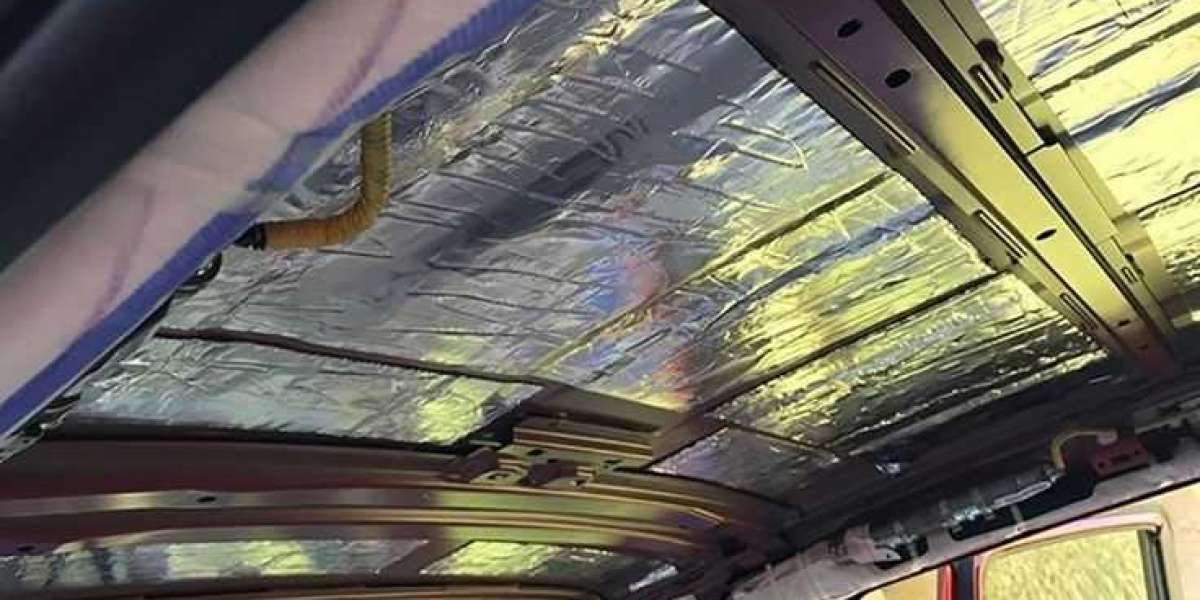
The roof can also transmit some of the heat generated by direct sunlight.
Appropriate treatment can reduce panel resonance and make the cabin feel more substantial.
However, roof treatment should remain practical.
Adding excessive weight above the occupants is unnecessary, and the material must allow the headliner to be reinstalled properly.
Precision is more valuable than maximum coverage.
Don't Forget the Firewall
The firewall separates the passenger compartment from the engine bay.
Engine vibration and mechanical noise can reach this structure through several pathways.
The firewall can also receive heat from the engine and exhaust system.
Appropriate treatment can help reduce some engine-related sound transmission while contributing to thermal comfort when suitable heat-rated materials are used.
The distinction between acoustic and thermal products is important.
Not every damping material is suitable for high-temperature engine-bay applications.
Products should always be used within their specified temperature range and in locations approved by the manufacturer.
Managing Exhaust Noise and Drone
Exhaust modifications are common among truck enthusiasts.
A performance exhaust can produce a deeper and more aggressive sound, but some configurations may create unwanted cabin drone at particular engine speeds.
Sound treatment can reduce the amount of structural vibration reaching the cabin, but it cannot completely change the acoustic behavior of an exhaust system.
If drone is excessive, inspect the exhaust itself.
Look for clearance problems, loose hangers, damaged components, or a configuration that produces strong resonance at cruising RPM.
Acoustic treatment can then complement the mechanical solution.
Addressing both the source and transmission path generally produces a better result than relying on insulation alone.
Choosing Materials Based on the Problem
A high-quality Tacoma sound treatment system usually involves more than one material category.
Vibration-damping materials are intended to control structural resonance.
Foam and decoupling materials can help separate surfaces and reduce certain transmission pathways.
Absorptive materials can help manage sound energy within suitable spaces.
Thermal barriers address heat rather than vibration.
These functions overlap in some products, but they are not interchangeable.
The best material is the one suited to the surface, environment, temperature, and acoustic problem.
This is why product specifications matter more than simply choosing the thickest available option.
Why Surface Preparation Is Critical
Even the best sound-deadening material will struggle if it is installed on a contaminated surface.
Vehicle interiors can contain dust, grease, adhesive residue, and other contaminants.
Before installation, the appropriate metal surfaces should be cleaned according to the manufacturer's recommendations.
The surface should be dry before adhesive-backed material is applied.
Cuts should be measured carefully.
Openings, mounting points, wiring, drains, and other factory features should be identified before material is installed.
Proper preparation improves adhesion and makes the finished installation easier to maintain.
Don't Block Factory Drainage
Doors and other body panels are engineered to manage water.
Water can enter around windows and must be able to exit through designated drainage paths.
Blocking those openings can cause water to remain inside the panel.
Over time, that can create corrosion, odor, electrical problems, or other damage.
Sound treatment should be installed around drainage paths rather than over them.
This small detail can make a major difference between a professional installation and one that creates unnecessary complications.
Protecting Airbags and Vehicle Safety Systems
Interior sound treatment requires awareness of modern vehicle safety equipment.
Airbags, wiring harnesses, seat mounts, sensors, and restraint systems may be located behind trim panels.
Materials should never obstruct an airbag's deployment path or interfere with safety equipment.
Seats should remain correctly mounted.
Wiring should not be pinched or trapped beneath material.
When a treatment area involves safety components and the correct installation method is uncertain, consult the appropriate vehicle service information or a qualified installer.
Acoustic improvements should always come after safety.
A Quiet Cabin Doesn't Mean a Silent Cabin
Expectations matter.
A Tacoma remains a truck.
You will still hear some tire movement, engine operation, wind, suspension activity, and environmental sounds.
The purpose of sound treatment is to reduce excessive or intrusive noise.
A successful installation creates a more balanced environment.
The engine can still sound like an engine.
The tires can still provide useful feedback.
The suspension can still communicate road conditions.
But the constant background harshness can become less dominant.
That distinction is what makes acoustic treatment practical rather than unrealistic.
Tacoma Sound Treatment for Daily Commuters
For a Tacoma that spends most of its time in traffic, cabin comfort may be the primary goal.
Repeated exposure to road and tire noise can become tiring even when each individual drive seems manageable.
A quieter interior can make phone calls easier, improve podcast listening, and reduce the need to increase music volume.
Floor and door treatment are often useful starting areas, with additional treatment added according to the truck's noise profile.
The result does not have to be dramatic to be valuable.
A modest reduction in constant background noise can become much more noticeable after months of daily driving.
Long-Distance Travel Benefits
Long road trips expose acoustic problems that short commutes may hide.
A low-frequency tire hum can become exhausting after several hours.
Wind noise can interfere with conversations.
Interior rattles become increasingly difficult to ignore.
A carefully treated cabin can make the same journey feel less demanding.
The audio system can be enjoyed at a more comfortable volume.
Passengers can talk without competing with the road.
The overall interior atmosphere becomes calmer.
For Tacoma owners who frequently travel long distances, this can be one of the most practical reasons to invest in sound treatment.
Preparing a Tacoma for Off-Road Use
Off-road trucks experience a completely different acoustic environment.
Gravel strikes the body.
Mud and rocks hit the underside.
Suspension movement increases.
The chassis experiences larger and more frequent impacts.
No sound-deadening material can eliminate these physical forces.
Instead, treatment can help control how much of that energy becomes cabin resonance.
For trail-oriented Tacomas, material durability is particularly important.
The installation should tolerate vibration, temperature changes, dust, and moisture.
It should also avoid interfering with drainage, suspension movement, or other off-road equipment.
Check the Bed Before Treating the Cabin
A surprising amount of noise may come from the truck bed.
Tools, recovery gear, cargo, bed covers, tie-downs, and aftermarket accessories can move or vibrate.
Before assuming that a body panel needs insulation, remove loose items and secure anything that can shift.
Take another drive.
If the noise changes significantly, you have identified a simple source.
Sound treatment should not be used to compensate for loose equipment that can be secured in minutes.
This basic diagnostic step can save time and material.
Rattles Deserve Their Own Investigation
A rattle can be more annoying than steady road noise because it is irregular and attention-grabbing.
Interior clips can loosen.
Wires can tap against panels.
Speaker grilles can buzz.
Console components can move.
Aftermarket accessories may contact the body.
During a sound-deadening installation, inspect these areas carefully.
Once major road noise has been reduced, these smaller sounds may become more noticeable.
Eliminating them is an important part of creating a truly refined cabin.
How Much Material Should You Use?
More material does not automatically equal better results.
Excessive coverage adds weight and can make reassembly more difficult.
It may also provide little additional benefit if the most resonant areas have already been treated.
A strategic approach is more effective.
Identify large vibrating panels.
Target the areas closest to major noise sources.
Use the appropriate material.
Evaluate the results.
Then decide whether additional treatment is justified.
This approach keeps the project practical while still allowing extensive coverage where it genuinely matters.
A Staged Upgrade Makes Sense
You do not have to treat the entire Tacoma in one weekend.
A staged project can be easier to manage.
Start with the area producing the most noticeable noise.
For many owners, the floor is a logical first step.
Audio enthusiasts may prioritize the doors.
Drivers dealing with rear mechanical noise may focus on the back wall.
Roof treatment can follow if wind and rain noise remain noticeable.
Each stage gives you an opportunity to evaluate the improvement before moving to another area.
This makes the project more deliberate and easier to budget.
Measuring Your Results
Before beginning, establish a simple baseline.
Drive the Tacoma on the same road at similar speeds.
Listen to the engine.
Pay attention to tire hum.
Notice panel rattles.
Play familiar music.
After treatment, repeat the same test.
The most useful comparison is not whether the truck becomes completely quiet.
Instead, ask whether the dominant noise feels less intrusive.
Does the music remain clear at a lower volume?
Are conversations easier?
Does the floor feel less harsh over rough pavement?
Have the rattles decreased?
These observations can reveal whether the treatment is delivering the expected improvement.
Common Sound-Deadening Mistakes
One frequent mistake is treating every surface equally.
Another is choosing materials based only on thickness.
Some installations fail because surfaces were not properly cleaned before adhesive application.
Blocking drainage openings is another avoidable problem.
Ignoring airbag locations and wiring can create serious safety concerns.
There is also a tendency to overlook mechanical sources such as loose exhaust components, worn mounts, or unsecured cargo.
A good sound-deadening project begins with diagnosis rather than material.
When Professional Help Is Worth Considering
A basic installation may be manageable for an experienced DIY enthusiast.
A complete cabin treatment is more involved.
Interior panels, seats, carpet, trim, wiring, and other components may need to be removed.
Airbag systems require particular care.
Complex audio builds add another layer of wiring and equipment.
If you are uncertain about removing safety-related components or working around electrical systems, professional installation can reduce the risk of damage.
An experienced installer can also help identify the most important noise pathways before the project begins.
The Relationship Between Comfort and Audio Quality
Noise reduction and audio performance are often discussed separately, but they are closely connected.
The quieter the background environment, the less the audio system has to overcome.
This does not mean a sound-deadening project will magically transform low-quality speakers into high-end equipment.
It means the existing system gets a better environment.
The listener can hear more detail without relying on excessive volume.
Door speakers can operate against a more stable panel.
Subwoofers can produce bass without as many surrounding rattles.
The entire system can feel more controlled.
Building a Tacoma That Feels More Refined
The character of a truck comes from more than its engine and suspension.
It also comes from how it feels inside the cabin.
A Tacoma can remain rugged and capable while becoming significantly more comfortable.
The key is not to remove every sound.
It is to distinguish between useful feedback and unnecessary noise.
Engine feedback can remain.
Trail sounds can remain.
Tire and suspension information can remain.
What changes is the amount of harshness and resonance competing for attention.
That balance is what makes a sound-deadening upgrade worthwhile.
Toyota Tacoma sound deadening can be much more than a simple noise-reduction modification. When planned correctly, it can improve the truck's overall character by controlling road noise, structural vibration, panel resonance, and unwanted rattles while creating a better environment for an upgraded audio system.
The process starts with identifying the dominant sources rather than covering the entire vehicle without a plan.
For many trucks, the floor is an important target because it sits close to tire, road, suspension, drivetrain, and exhaust-related noise. Doors can address both cabin comfort and speaker performance. The rear cab can help manage noise entering from behind the occupants, while the roof can reduce resonance from wind and rain.
Other areas should be considered according to how the Tacoma is actually used.
A commuter may prioritize highway tire noise. A road-trip vehicle may focus on long-term cabin comfort. An off-road build may need stronger attention to vibration and impact noise. An audio-focused Tacoma may place doors, speaker locations, and subwoofer areas at the top of the list.
Material selection is equally important. Damping, foam, absorption, and thermal products each have different purposes, and using the correct material in the correct location is
Installation quality also matters. Surfaces need proper preparation, drainage paths must remain open, safety systems must remain unobstructed, and factory components should continue functioning exactly as intended.
The final objective is simple: create a Tacoma that feels calmer without losing its identity.
With a thoughtful acoustic strategy, the truck can remain ready for demanding trails while becoming more comfortable during everyday commuting, long-distance travel, and extended time behind the wheel. At the same time, a quieter cabin gives the audio system a stronger foundation, allowing music to sound clearer and more immersive without relying on excessive volume.