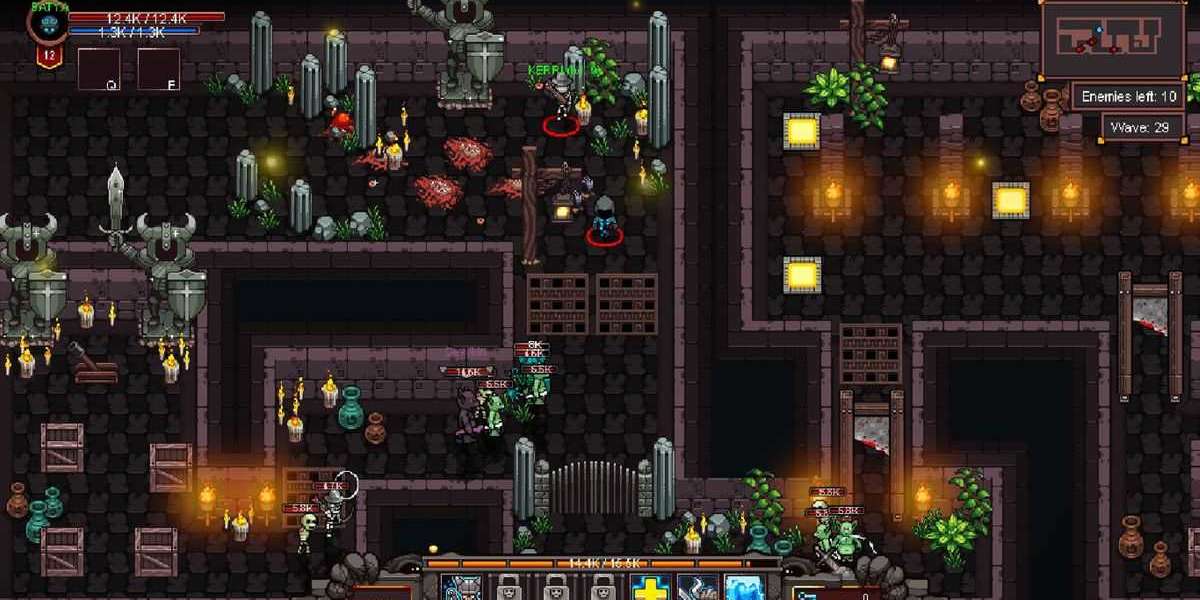

Whether you are comparing loot or budgeting for , the same question matters: how long will this item keep earning its place In Hero Siege, dust deserves a spending plan. A stronger item is useful, but an upgrade only represents good value when its benefit justifies the materials committed.
Judge the Item Before the Stars
Start with the modifiers that support your main skill. Consider whether the item contributes relevant damage, dependable resource management, or defenses that let you keep attacking. An impressive modifier has limited value when your build rarely benefits from it.
Next, identify the item's current job. Is it essential to your damage setup, covering a defensive weakness, or simply filling an empty slot Prioritize equipment with a clear purpose. Additional investment should strengthen something your character actually needs, rather than polish an attractive but mismatched piece.
Estimate Its Remaining Lifespan
A reliable item supporting your main skill can justify more dust than a temporary piece with slightly better headline numbers. Ask what would replace it: an ordinary drop, a specific combination of modifiers, or a major change to your build.
If several readily available alternatives would improve the slot, keep spending modest. If replacement requires an unusually suitable item, further upgrades become easier to defend. Judge lifespan against your next progression goal, not an imagined final setup that may still be far away.
Compare the Next Investment
Evaluate the next star-level step separately instead of treating maximum investment as the default destination. Check the displayed material requirement and the improvement offered. Then compare that expenditure with what the same dust could accomplish on another equipped item.
A smaller investment that fixes a pressing weakness may be worth more than another increase on your strongest piece. Keep some materials available when you expect equipment changes soon. Saving dust is a valid decision when no current upgrade offers a convincing return.
Rank Candidates and Record Results
Use a simple ranking sheet: give each candidate one to five points for build relevance, expected lifespan, and immediate usefulness. Note the next upgrade cost alongside those scores. Use the ratings to organize comparisons, not as proof that one choice must win.
Upgrade one candidate, then repeat a comparable encounter. Record completion time, survival issues, and interruptions to your main skill. Keep conditions similar where possible. These observations help distinguish a noticeable improvement from a purchase that merely raises an item's displayed numbers.
The goal is useful progression, not a collection of fully upgraded items. If you decide to , keep that purchase separate from your dust decisions and require a clear purpose for every upgrade.


Publications populaires
-
 Повысьте свой уровень образования: Купите дипломы любого уровня для расширения своих знаний
-
 Üsküdar su kaçağı tespiti
-
 Take a Rollercoaster Ride with Our Exciting Video Tonight!
-
 LES 9 TYPES D’ONCTION DANS LA BIBLE (Toute autre “ONCTION” vient du diable)
-
 Cappadocia Adventure Tours | Hot Air Balloon & Cave Explorations


