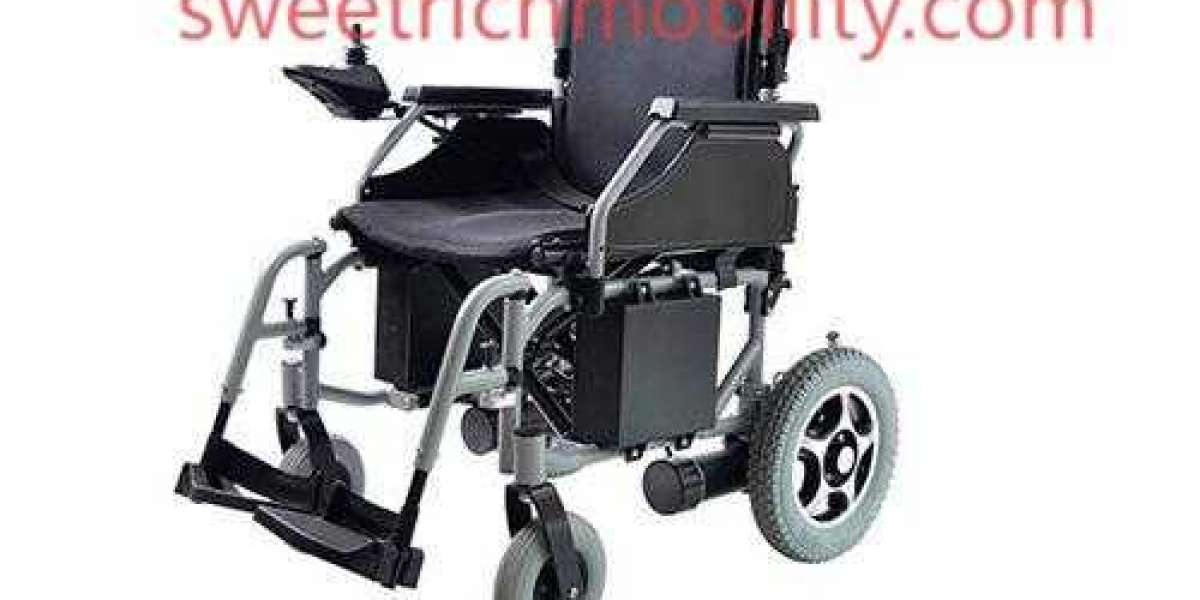

Personal mobility products are becoming an important part of how people maintain independence, manage daily activities, and move through familiar surroundings. For businesses serving this market, a offers an opportunity to consider how product engineering, practical features, and customer preferences can work together. Sweetrichmobility provides a starting point for exploring mobility solutions designed around everyday convenience and changing market requirements.
Four-wheel scooters appeal to users who value a supportive structure and a comfortable riding experience. Their design can accommodate different seating arrangements, control layouts, and storage features, depending on the intended application. Manufacturers need to consider how these elements interact, ensuring that the finished product feels practical rather than unnecessarily complicated. Clear controls and an accessible operating layout can make daily use easier to understand.
Stability begins with careful attention to the overall structure. Wheel placement, frame geometry, weight distribution, and suspension design all influence how a scooter responds to its surroundings. Engineers must evaluate these factors together rather than treating each component as an isolated feature. Such coordination helps manufacturers develop products suited to their intended environments, including suitable indoor areas, paved paths, and other approved surfaces.
Comfort deserves equal consideration during product development. Seat shape, back support, armrest positioning, and steering reach can influence how users feel during ordinary journeys. Adjustable features may help accommodate different body proportions and preferences. Manufacturers can also consider how easily users enter and leave the seat, operate the controls, and reach commonly used functions. These practical details can make a meaningful difference in the overall ownership experience.
Ease of operation is another important aspect of mobility design. Controls should be arranged logically, with clear functions and an intuitive relationship between user input and scooter response. Turning characteristics, braking performance, and speed control require careful engineering and appropriate testing. Product documentation should explain operating procedures and intended usage so customers can understand the equipment before taking it into everyday settings.
Storage and carrying convenience can also influence purchasing decisions. Some buyers need room for personal belongings, shopping items, or essential accessories. A thoughtfully integrated storage compartment can help keep these items organized without interfering with the user's position or access to controls. Weather protection, surface materials, and the accessibility of maintenance points may also be relevant, depending on the product's intended use.
For distributors and retailers, choosing a suitable product range involves understanding the people they serve. Customers may differ in their mobility requirements, preferred environments, storage arrangements, and expectations for comfort. Detailed product descriptions help business buyers compare designs and explain relevant features to their customers. Clear communication about assembly, maintenance, service support, and product limitations can also strengthen relationships throughout the distribution process.
Manufacturing quality depends on coordination across design, sourcing, assembly, and inspection. Components need to fit together correctly, electrical systems require appropriate checks, and moving parts should be evaluated for their intended function. Consistent production procedures help identify potential issues before products enter distribution. Packaging also deserves careful planning to protect equipment during transportation and simplify handling when shipments arrive.
Product development should remain responsive to customer feedback. Comments about seating comfort, control accessibility, storage, and maintenance can help manufacturers identify opportunities for future refinement. By examining real usage requirements alongside engineering considerations, businesses can make more informed decisions about product features and market positioning.
A mobility product is more than a collection of mechanical and electrical components; it is a practical tool that becomes part of someone's daily routine. If your business is considering new directions in personal mobility, visit . Take a closer look at the available solutions, gather ideas for your next product selection, and let your next business opportunity begin with a purposeful visit.